

| Specification | Available Options |
|---|---|
| Product Name | Custom Takeout Boxes |
| Primary Function | Restaurant pickup, delivery, catering, meal organization, order identification, carrying, and branded presentation |
| Suitable Foods | Burgers, sandwiches, wraps, tacos, fried chicken, fries, noodles, pasta, rice dishes, salads, bakery products, desserts, snacks, kids’ meals, and meal combinations |
| Main Applications | Restaurants, cafés, bakeries, food trucks, ghost kitchens, catering, hotels, franchises, events, food delivery, and wholesale food service |
| Materials | SBS paperboard, folding boxboard, white kraft, natural kraft, selected recycled secondary board, coated food-service board, E-flute, B-flute, double-wall corrugated, and molded-fiber components |
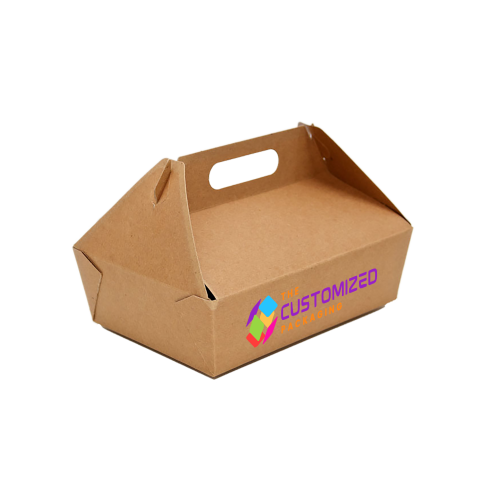
| Box Styles | Clamshell, tuck-top, auto-lock bottom, snap-lock bottom, compartment meal box, tray-and-sleeve, corrugated carrier, handled box, gable box, window box, scoop carton, shelf-ready box, and family-meal box |
| Dimensions | Customized according to complete food portions, inner containers, packed weight, lid clearance, compartments, and delivery requirements |
| Capacity | Snack portion, individual meal, kids’ meal, combination meal, two-person meal, family meal, catering order, bakery assortment, or custom capacity |
| Board Thickness | Selected according to dimensions, weight, heat, grease, moisture, stacking, handles, and delivery duration |
| Corrugated Options | F-flute, E-flute, B-flute, C-flute, EB double wall, BC double wall, laminated corrugated, or project-specific board |
| Loading Method | Top loading, hinged loading, tray loading, side loading, sleeve application, compartment loading, or custom packing sequence |
| Closure Options | Front lock, side tabs, tuck flap, auto-lock base, snap-lock base, locking lid, paper band, adhesive seal, tear strip, or custom closure |
| Compartment Options | One section, two sections, three sections, four sections, unequal sections, removable divider, sauce-cup well, or custom layout |
| Divider Materials | Folded paperboard, kraft board, corrugated board, molded fiber, suitable tray, cup holder, or custom insert |
| Primary Food-Contact Components | Suitable tray, liner, wrap, cup, bowl, tub, pouch, clamshell, food-service board, or another evaluated component |
| Direct Food Contact | Materials selected for the intended food type, temperature, grease, moisture, acidity, and contact duration |
| Grease Management | Suitable liner, wrap, tray, bowl, coating, absorbent component, or combined evaluated system |
| Moisture Management | Inner container, liner, ventilation, selected coating, absorbent component, or custom packaging system |
| Liquid Handling | Secure sauce cup, sealed tub, bowl, pouch, tray, or separately engineered containment |
| Ventilation Options | Lid holes, side slots, rear vents, corner gaps, perforated patterns, custom openings, or no added ventilation |
| Hot-Food Applications | Tested ventilation, suitable liner, reinforced base, secure closure, and application-specific materials |
| Chilled-Food Applications | Condensation-aware board, suitable tray, liner, label stock, closure, and refrigerated-use testing |
| Frozen-Food Applications | Materials, folds, adhesives, labels, and closures evaluated for the intended freezer conditions |
| Reheating Applications | Exact complete constructions evaluated for microwave, oven, or other reheating use |
| Window Options | Open die-cut, transparent-film window, rectangular, circular, oval, logo-shaped, product-shaped, or custom opening |
| Handle Options | Integrated paperboard grip, gable handle, corrugated handle, reinforced hand hole, carrying strap, or no handle |
| Tamper-Indicating Options | Adhesive label, paper band, locking tab, perforated flap, tear strip, serialized seal, security sticker, or sealed outer bag |
| Printing Methods | Digital, offset, flexographic, screen, CMYK, Pantone matching, white ink, metallic ink, and one-color printing |
| Printing Areas | Lid, front, back, side panels, interior lid, handle, sleeve, divider, insert, label, seal, and outer delivery carton |
| Branding Options | Full-color logo, one-color kraft print, Pantone branding, repeating pattern, white ink, branded sleeve, printed seal, or interior message |
| Order Identification | Customer name, order number, meal type, protein, sauce, side, spice level, dietary modification, pickup time, or delivery platform |
| Writable Areas | Uncoated panel, printed checkboxes, marker area, applied label zone, receipt space, or custom staff-entry field |
| Ingredient and Allergen Areas | Printed panel, sleeve, applied label, primary container, menu card, or QR-linked information |
| Barcode Options | UPC, EAN, SKU, menu code, order barcode, retailer label, case code, or custom scannable data |
| QR Code Uses | Online menu, mobile ordering, loyalty program, ingredient details, reheating guide, survey, promotion, social page, or tracking |
| Variable Data | Customer names, order numbers, store locations, events, campaign codes, barcodes, or unique QR codes |
| Date and Batch Coding | Packing time, production date, use-by field, lot number, route code, store code, or applied label |
| Delivery Features | Stable base, secure closure, bag compatibility, limited stacking, compartment retention, order label, and route testing |
| Bag Compatibility | Paper bag, handled bag, insulated carrier, reusable delivery bag, family-order carrier, or custom order configuration |
| Stacking Options | Reinforced lid, corrugated carrier, master carton, limited box-on-box stacking, serving tray, or non-stack guidance |
| Catering Features | Large capacity, dividers, handle, dietary labels, client branding, table numbers, serving guidance, and master-carton organization |
| Franchise Features | Controlled dielines, approved materials, consistent color, store versions, label zones, and centralized wholesale production |
| More Responsible Options | Right-sized construction, verified recycled content, recyclable corrugated materials, paper dividers, reduced printing, open windows, and fewer mixed materials |
| Flat-Pack Availability | Folding cartons, clamshells, sleeves, corrugated carriers, gable boxes, dividers, inserts, and shelf-ready structures |
| Manual Assembly | Tuck folding, lock-bottom setup, auto-lock opening, divider insertion, sleeve application, sealing, labeling, and packing guidance |
| Proofing | Dieline review, digital proof, 3D mockup, material sample, structural prototype, complete-meal fit sample, vent sample, handle test, or printed proof |
| Testing | Food-fit review, base-load test, closure assessment, ventilation trial, grease and moisture review, handle test, bag-fit check, or delivery trial |
| Artwork Files | AI, EPS, PDF, PSD, or high-resolution print-ready files with outlined fonts, bleed, approved dieline placement, and verified food information |
| MOQ | Flexible or low-minimum options may be available for selected digitally printed folding cartons, sleeves, and standard structures |
| Wholesale Quantities | Available for restaurants, cafés, bakeries, food trucks, ghost kitchens, caterers, hotels, franchises, event vendors, and food-service distributors |
| Turnaround | Confirmed after dimensions, materials, quantity, structure, food-contact components, compartments, artwork, proof approval, and destination are finalized |
| Delivery | Available throughout the USA and other supported destinations |
| Pricing | Determined by dimensions, material, structure, quantity, compartments, liners, ventilation, handles, windows, printing, seals, assembly, and delivery |
Takeout Packaging Engineered Around the Complete Order
Custom Takeout Boxes help restaurants, cafés, bakeries, food trucks, ghost kitchens, caterers, hotels, franchises, and event vendors prepare meals for pickup and delivery in packaging built around the actual order. A dry sandwich, sauced pasta, fried chicken dinner, rice bowl, salad, pastry selection, and family meal place very different demands on a carton.
The package should be developed from the finished food portion, any inner tray or wrap, combined weight, serving temperature, grease and moisture exposure, expected holding time, delivery route, and packing speed. Correct sizing helps keep meals organized without compressing delicate foods or leaving excessive room for movement.
Available formats include clamshell cartons, tuck-top boxes, auto-lock structures, divided meal cartons, tray-and-sleeve systems, corrugated carriers, handled boxes, window packaging, gable boxes, and family-meal cartons. Each structure can be printed with a restaurant logo, order fields, product information, reheating guidance, QR codes, or campaign artwork.
What Effective Takeout Packaging Should Solve
-
Hold the complete meal without the base opening, lid pressing on food, or compartments shifting.
-
Match the food’s heat, steam, grease, moisture, sauce content, and delivery time.
-
Close quickly during peak service and fit efficiently inside the restaurant’s carrying bags.
-
Help staff identify customer names, order numbers, dietary variations, sauces, and pickup times.
-
Present consistent branding across restaurant locations, delivery platforms, catering, and events.
Separate Meal Containment from the Branded Outer Carton
Some takeout boxes are specifically developed for direct food contact. Others function as printed secondary packaging around a suitable tray, wrap, cup, bowl, pouch, liner, or clamshell. The project specification should clearly identify which surfaces may contact food and under what conditions.
Sauces, soups, gravies, dressings, and liquid-heavy foods usually need secure primary containers. Fried or oily foods may require a suitable liner, wrap, tray, or evaluated barrier. The printed outer carton can then provide structure, carrying convenience, order organization, and branding.
Terms such as food-grade, greaseproof, leakproof, microwave-safe, oven-safe, and compostable should only be used when they accurately describe the approved material and complete construction for the intended use.
Material Options for Custom Takeout Boxes
| Material | Recommended Applications | Main Advantages | Planning Considerations |
|---|---|---|---|
| SBS paperboard | Sandwiches, bakery items, dry meals, desserts, and premium restaurant branding | Smooth white surface and detailed color reproduction | Select caliper and inner components according to weight, grease, and temperature |
| Folding boxboard | High-volume clamshells, tuck cartons, and meal boxes | Good stiffness-to-weight balance and reliable folding | Grain direction and crease quality affect closure and assembly |
| White kraft board | Modern restaurant, café, bakery, and franchise packaging | Bright printable surface with a paper-based appearance | Confirm contact position and resistance needs for the actual food |
| Natural kraft board | Food trucks, independent restaurants, street food, and rustic branding | Recognizable natural look and efficient one-color printing | Pale inks and photographs reproduce differently on brown board |
| Selected recycled paperboard | Suitable secondary-packaging applications | Recycled-content options and flexible converting | Grade, cleanliness, odor, strength, and intended use should be reviewed |
| Coated food-service board | Selected greasy, moist, chilled, or hot-food applications | Can provide defined surface performance | Claims must match the exact coating and conditions of use |
| E-flute corrugated board | Heavy meals, family orders, catering kits, and multiproduct carriers | Added rigidity with a relatively refined profile | Fine graphics may require a suitable liner and printing process |
| B-flute or double-wall corrugated | Large catering orders and heavier meal carriers | Greater stacking and load support | Requires more storage space and complete-load testing |
| Molded-fiber component | Selected trays, dividers, and compartment systems | Formed product support and portion separation | Suitability depends on the exact food, temperature, and material formulation |
Takeout Box Styles for Pickup and Delivery
| Box Style | Recommended Use | Operational Benefit | Key Design Requirement |
|---|---|---|---|
| One-piece clamshell | Burgers, sandwiches, fried foods, and dry meals | Fast loading through a wide hinged opening | Lid height and locks must match the finished food |
| Tuck-top carton | Sandwiches, pastries, rice meals, and branded portions | Broad print area and flat storage | Tuck flap should close without touching food |
| Auto-lock bottom box | Heavier meals and high-volume service | Base forms quickly when opened | Base strength requires complete-load testing |
| Snap-lock bottom box | Medium-weight meals and flexible restaurant use | Strong interlocking base supplied flat | Extra folding steps should suit kitchen speed |
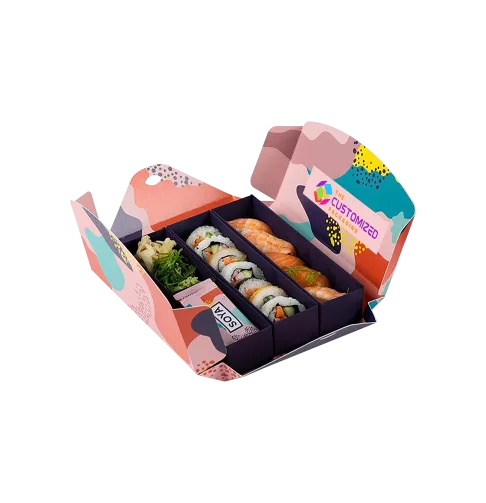
| Compartment meal box | Mains, sides, vegetables, desserts, and sealed sauces | Keeps multiple components organized | Sections should reflect actual portion volumes |
| Tray-and-sleeve box | Ready meals, salads, bakery products, and premium presentation | Inner tray contains food while sleeve carries branding | Sleeve must not block film tabs, vents, or heating instructions |
| Corrugated meal carrier | Family orders, catering, and multiple containers | Added support and organized carrying | Complete pack balance and bag fit must be tested |
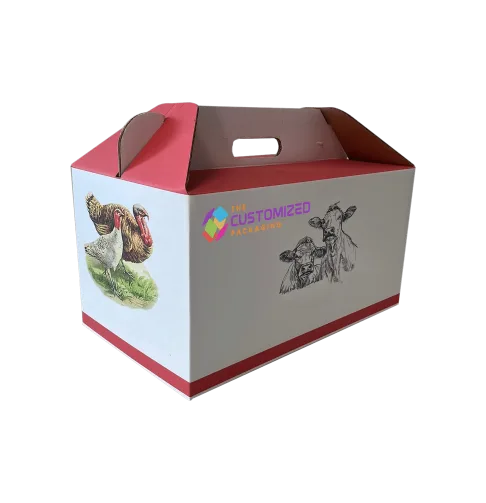
| Handle or gable box | Boxed lunches, bakery assortments, and event meals | Built-in carrying feature | Handle, base, and closure must support the full load |
| Window takeout box | Salads, desserts, pastries, and grab-and-go foods | Product visibility before opening | Window must preserve strength and avoid unsuitable contact |
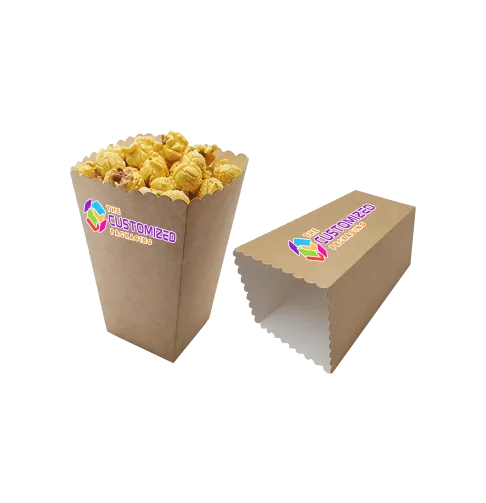
| Scoop or open-front carton | Fries, snacks, and immediate consumption | Quick access and simple serving | Less suitable for long delivery routes |
| Shelf-ready box | Grab-and-go retail products and packaged meals | Converts from transport case to display | Tear lines must not weaken the case prematurely |
| Family meal box | Group orders with several containers or sections | Consolidates a larger restaurant order | Dividers, handles, and stacking should match the packed arrangement |
Size the Box from the Finished Meal
Nominal menu names are not reliable dimensions. Two burger meals or pasta portions may differ greatly in height, weight, side dishes, sauce cups, and inner containers. Measure the complete packed order rather than only the main food item.
Include the tray rim, wrap, bowl lid, liner, sauce cup, divider, food pick, garnish, and required clearance. The box should reduce sideways movement without squeezing the meal. Taller foods need enough lid space, while shallow meals should not sit inside an unnecessarily deep carton.
Restaurants with broad menus can often use a controlled family of two or three carton sizes. This is usually more efficient than using one oversized box for every item or creating a separate structure for each menu listing.
Balance Ventilation, Heat Retention, and Food Texture
Hot food releases heat and steam after packing. Lid holes, side slots, rear openings, corner gaps, or controlled perforations can help reduce trapped condensation for selected foods. Ventilation also releases heat, so more openings are not always better.
Crispy chicken, fries, toasted sandwiches, steamed rice, baked pasta, and bakery products may each respond differently. The final pattern should be tested with the actual food at the normal serving temperature, holding time, delivery distance, and weather conditions.
Cold salads and desserts may create condensation that affects board stiffness and label adhesion. Frozen items require materials and closures evaluated for the intended storage conditions. The outer carton itself does not provide refrigeration or temperature control.
Manage Grease, Moisture, and Sauces with the Complete System
Grease and moisture can come from meat, fried coatings, cheese, butter, dressings, fruit, condensation, and sauces. The solution may involve a suitable wrap, liner, tray, cup, bowl, coating, or combined system.
Paperboard seams should not be expected to contain free liquid unless the structure has been specifically engineered and verified for that use. Sauce cups need secure individual lids and should sit in a defined compartment where they cannot tip or press into the main food.
Different components of one meal may need different conditions. A compartment can separate a hot entrée from a cold dessert, but it does not create independent temperature zones. Some mixed orders are better packed in separate containers within one larger branded carrier.
Build the Box Around Kitchen Speed and Delivery Handling
Restaurant packaging must work during busy service. Staff should be able to identify the correct size, assemble it quickly, load the food without damaging presentation, close it securely, add a label or seal, and place it into the correct bag.
Flat-packed cartons reduce storage requirements. Auto-lock bases and pre-glued seams can improve speed, while snap-lock structures may require more folding. Delivery-bag compatibility is equally important. Boxes should sit level, avoid crushing under heavier containers, and leave suitable space for drinks, cutlery, napkins, and sauces.
The complete order should be tested inside the actual paper or insulated bag used by the business.
Compartments and Order Mapping
Compartment takeout boxes can separate mains, sides, breads, desserts, sealed sauces, and accessories. Equal sections are not always efficient. A large entrée and two smaller sides usually need an unequal layout.
Heavy food should not rest against delicate pastries or salad toppings. Hot and cold products may need separate primary containers. Hard cups and jars should be positioned so they cannot press into softer foods during transport.
A packing map can standardize where each component belongs. This supports faster preparation, more consistent presentation, and easier quality checks across multiple restaurant locations.
Custom Printing, Order Identification, and QR Codes
Custom printed takeout boxes can display a restaurant logo, menu item, ingredients, allergens, reheating instructions, storage guidance, customer name, order number, pickup time, table number, delivery platform, or promotional message.
Printed checkboxes and writable panels help staff identify proteins, sauces, spice levels, sides, and customer modifications. Any dietary or allergen wording must accurately reflect the recipe and kitchen procedures. The box itself does not prevent cross-contact.
QR codes can link to menus, mobile ordering, loyalty programs, ingredient information, surveys, social pages, reheating instructions, or limited-time offers. Codes and barcodes should appear on flat, high-contrast areas away from folds, grease-prone surfaces, labels, vents, and reflective finishes.
Tamper-Indicating Closures and Customer Opening
Adhesive seals, paper bands, perforated tabs, tear strips, locking flaps, serialized stickers, and sealed outer bags can provide visible evidence that an order may have been opened. They should be described as tamper-indicating rather than impossible to access.
The seal should not block ventilation, cover order information, damage the box, or make opening unnecessarily difficult.
Menu and Service Applications
Custom takeout cartons can be developed for burgers, sandwiches, wraps, tacos, fried chicken, fries, noodles, pasta, rice meals, bakery products, desserts, salads, snacks, kids’ meals, corporate lunches, family orders, and catering assortments.
This main page should remain focused on complete takeout cartons and meal carriers. Product-specific requirements for burgers, pizza slices, bakery goods, frozen foods, food trays, and food sleeves should be explained on their dedicated pages and linked contextually rather than repeated in full.
More Responsible Takeout Packaging Claims
Potential options include right-sized cartons, verified recycled-content board, recyclable corrugated materials, paper dividers, reduced print coverage, open windows, removable sleeves, and structures with fewer mixed components.
A kraft or paper appearance does not automatically establish recyclability, biodegradability, compostability, or lower environmental impact. Coatings, liners, adhesives, labels, windows, food residue, local collection programs, and the condition of the used package all affect the correct claim.
MOQ, Wholesale Pricing, and Production Planning
Pricing depends on dimensions, material, board thickness, structure, quantity, compartments, liners, coatings, ventilation, handles, windows, printing coverage, artwork versions, seals, assembly, and delivery destination.
Selected digitally printed folding cartons, sleeves, and standard structures may support lower quantities. Specialized food-contact materials, complex compartments, corrugated carriers, several sizes, and franchise artwork versions may require higher minimums.
A structural sample should be reviewed with the complete meal before a large wholesale order is approved.
Information Needed for an Accurate Quote
-
Food type, portion dimensions, inner-container measurements, total packed weight, and photographs.
-
Serving temperature, grease, moisture, sauce content, expected holding time, and delivery route.
-
Preferred clamshell, tuck-top, compartment, tray-and-sleeve, handled, corrugated, or family-meal structure.
-
Ventilation, liners, dividers, sauce sections, windows, seals, labels, and bag-fit requirements.
-
Logo files, artwork versions, quantity, restaurant locations, delivery destination, and target date.
Estimate Your Takeout Packaging Budget
Use the Custom Box Packaging Cost Calculator to create an early estimate for custom takeout boxes. Enter the dimensions, material, structure, quantity, compartments, ventilation, liners, printing, and sealing requirements to compare possible configurations.
The calculator is intended for preliminary planning. Final pricing should be confirmed after the complete meal, primary food-contact components, dieline, artwork, production quantity, and delivery requirements have been reviewed.
Why Choose The Customized Packaging?
The Customized Packaging develops takeout cartons around the complete meal, restaurant workflow, food-contact position, branding, and delivery route rather than applying one generic food box to every order.
Businesses can request clamshell boxes, tuck-top cartons, auto-lock bases, compartment meal boxes, tray-and-sleeve packaging, corrugated carriers, handles, windows, ventilation, tamper seals, order-label panels, and wholesale logo printing.
Share your meal dimensions, packed weight, service conditions, quantity, artwork, and destination to receive a recommended structure for restaurants, cafés, bakeries, food trucks, ghost kitchens, catering, hospitality, franchises, events, and food-service programs throughout the USA.
No. Suitability depends on the exact board, coating, ink, adhesive, liner, food type, temperature, and contact duration. Many cartons function around a suitable tray, wrap, cup, bowl, or liner.
Paperboard cartons should not be assumed to contain free liquid. Soups, sauces, gravies, and dressings generally need secure primary containers. A specific evaluated barrier or tray may provide defined resistance for selected foods.
Ventilation can help selected foods release steam, but it also increases heat loss. The vent pattern should be tested with the actual food, holding time, route, and climate.
Yes. Compartments and inserts can organize meal components and a securely closed sauce cup. The layout should reflect the actual portion sizes and different moisture or temperature needs.
Selected complete constructions may be suitable for defined reheating conditions. No box should be called microwave-safe unless all materials, inks, coatings, adhesives, windows, labels, and components have been evaluated for that use.
Related Products









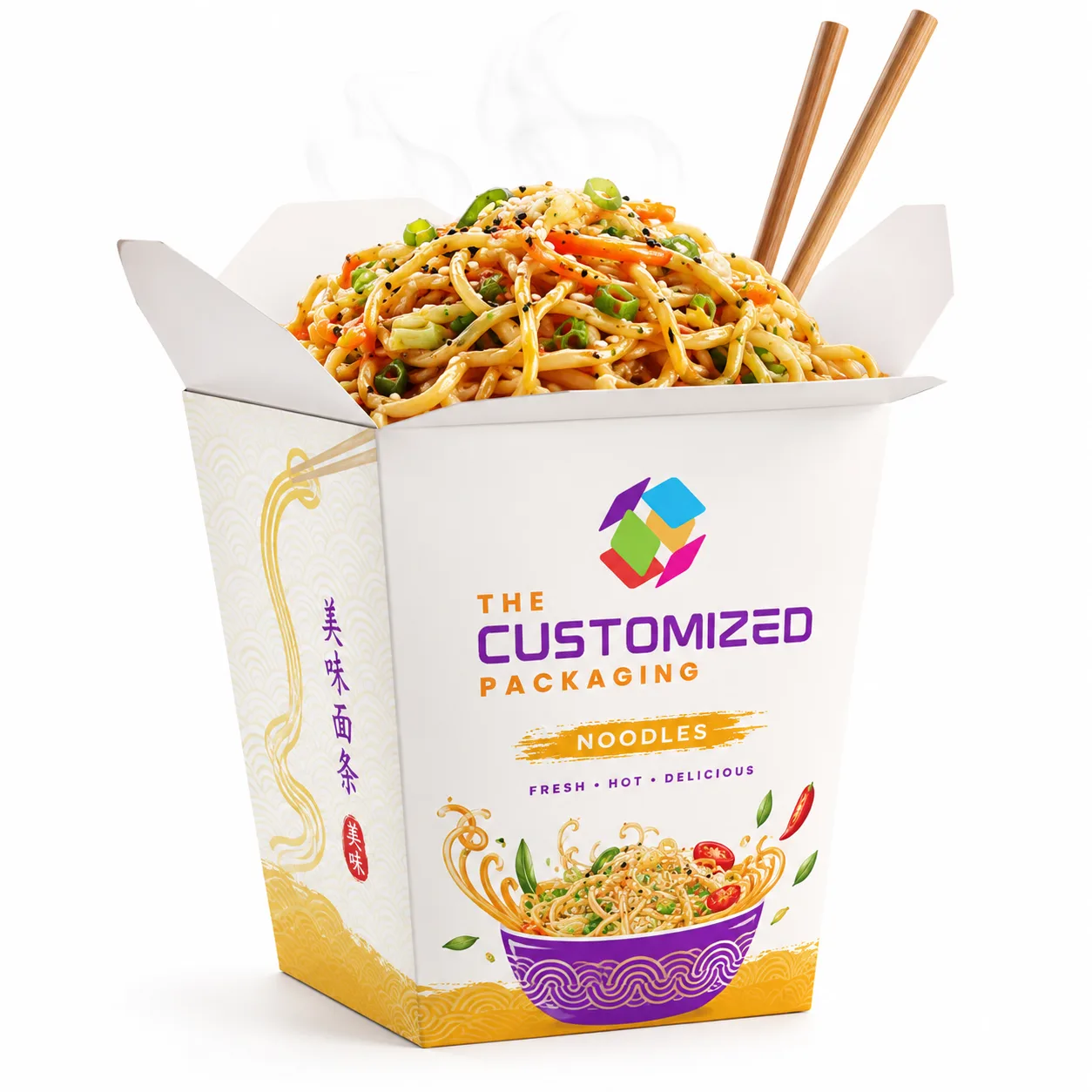
Order Custom Takeout Boxes from The Customized Packaging
We manufacture Custom Takeout Boxes for businesses that need reliable product protection, accurate printing, and professional packaging for retail, ecommerce, storage, or shipping. Each box can be customized by size, material, structure, printing, coatings, finishes, inserts, and order quantity.
Share your artwork and quantity targets for Custom Takeout Boxes and we will recommend the most cost-effective structure for your timeline. or speak with a packaging expert. Browse custom rigid boxes, packaging inserts, and use our Custom Box Packaging Cost Calculator.