
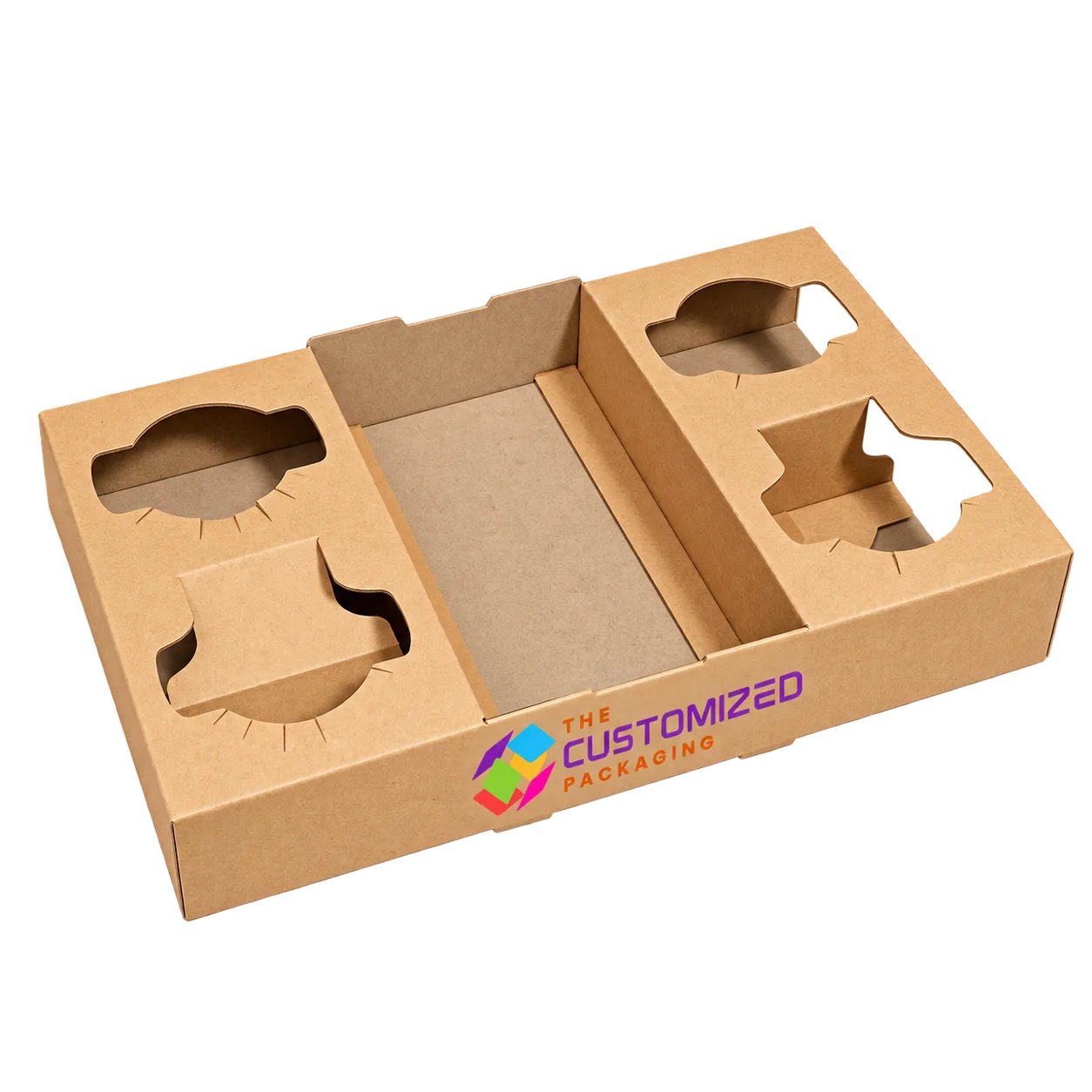
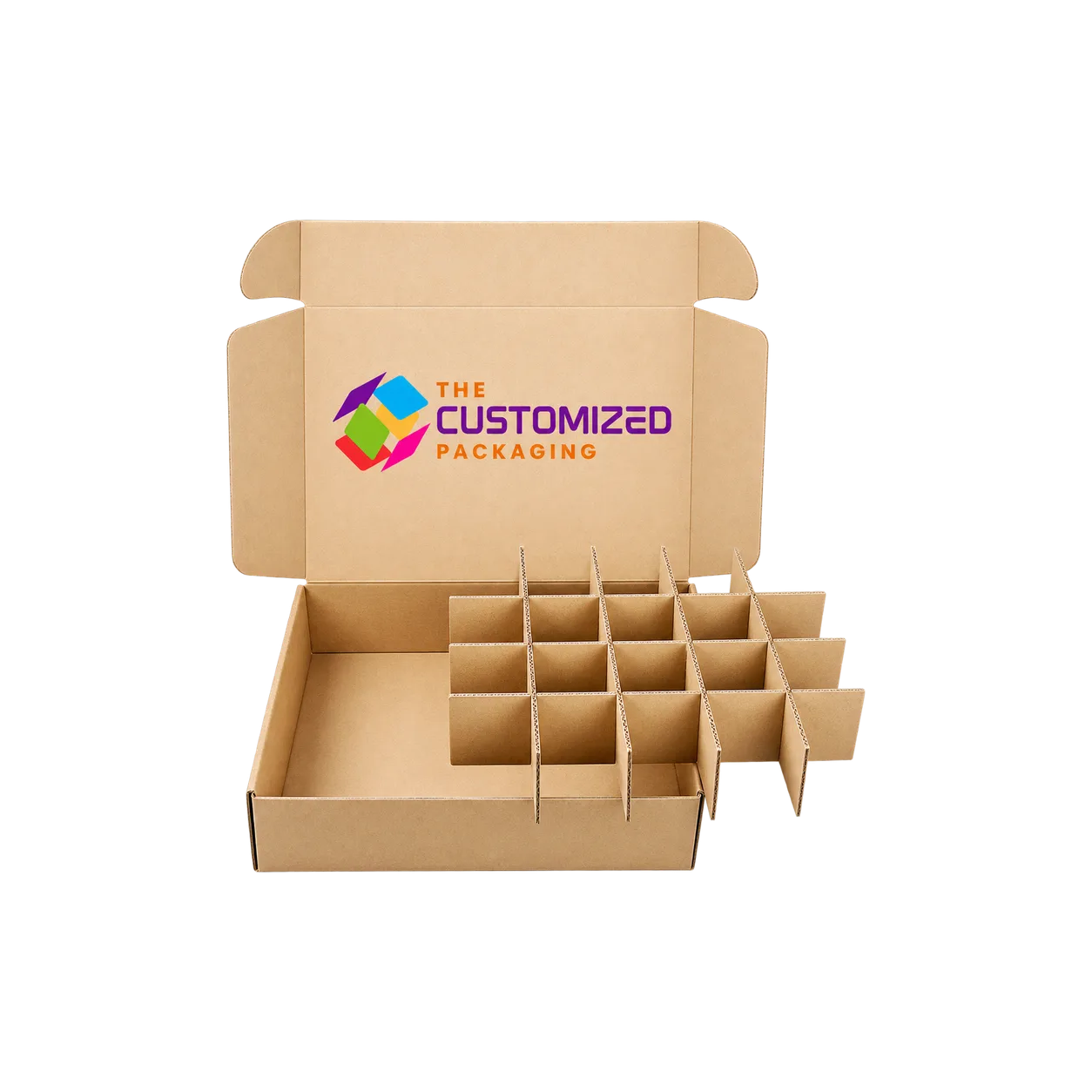
| Specification | Available options |
|---|---|
| Product name | Custom Cardboard Divider Inserts |
| Purpose | Separate and organize multiple products inside an outer box |
| Materials | Selected paperboard and corrugated board constructions |
| Divider styles | Interlocking partitions, equal-cell grids, and mixed-size compartment layouts |
| Cell count | Custom number of compartments based on the packed assortment |
| Cell dimensions | Designed around product footprint, diameter, and loading clearance |
| Divider height | Matched to product height and required top clearance |
| Surface options | White, kraft, or other suitable board surfaces |
| Assembly | Flat-ship interlocking grids or preassembled inserts as specified |
| Applications | Bottles, jars, vials, cosmetics, gift sets, and retail assortments |
| Outer box compatibility | Sized to the outer carton's internal dimensions |
| Quote requirements | Outer internal dimensions, product sizes, cell count, divider height, material, and quantity |
Custom Cardboard Divider Inserts for Organized Product Packaging
Custom Cardboard Divider Inserts help organize multiple products inside a single packaging box. Interlocking partitions form individual cells for bottles, jars, vials, glassware, cosmetics, promotional items, and other packaged products that should remain separated. The divider structure fits inside an outer carton and creates a defined position for each item.
Instead of allowing products to move freely or contact one another, custom cardboard dividers establish separate compartments. This arrangement can make packing more consistent, improve product presentation, and help organize assortments inside shipping boxes, retail packaging, and gift sets. The finished layout should be designed around actual product dimensions, weight, and expected handling conditions.
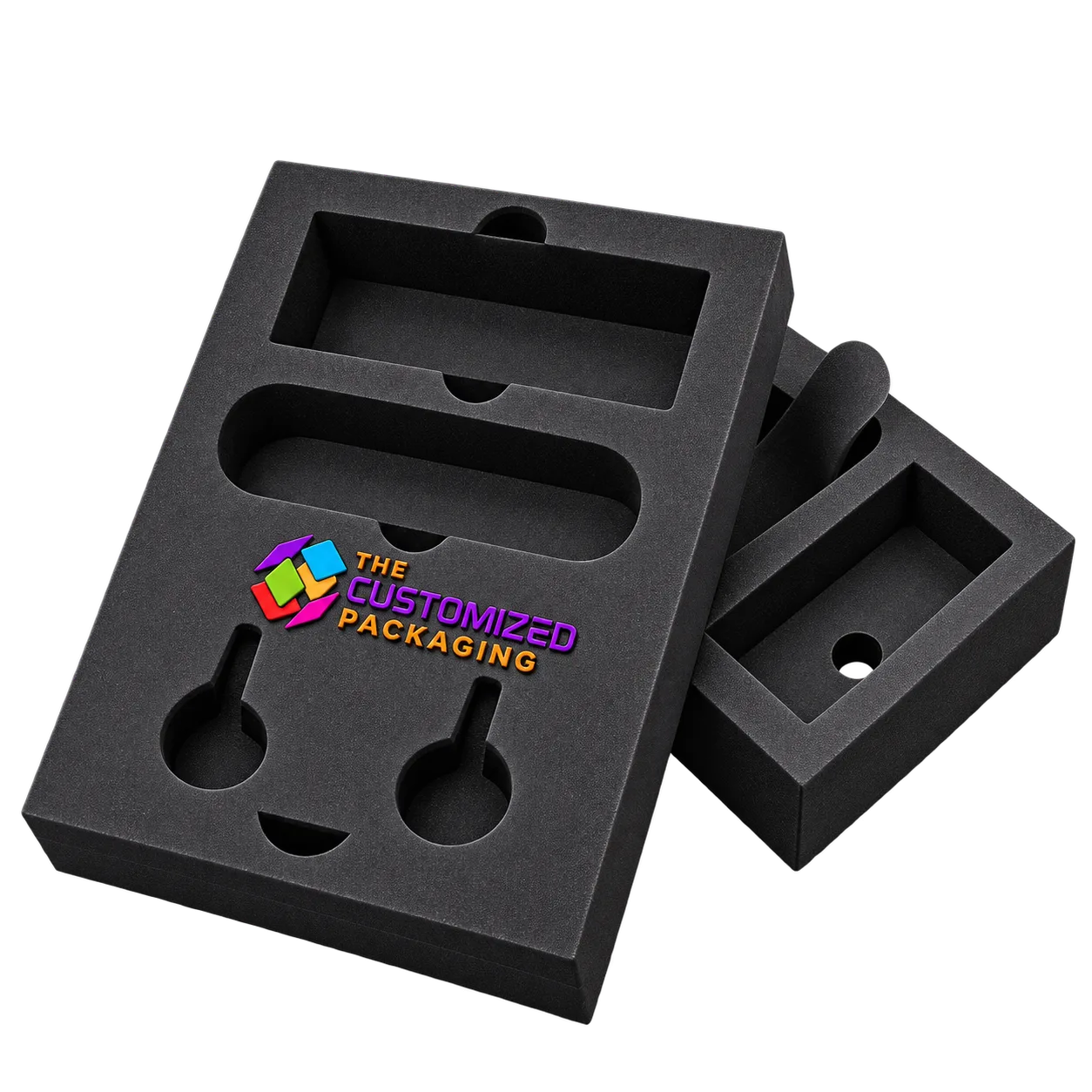
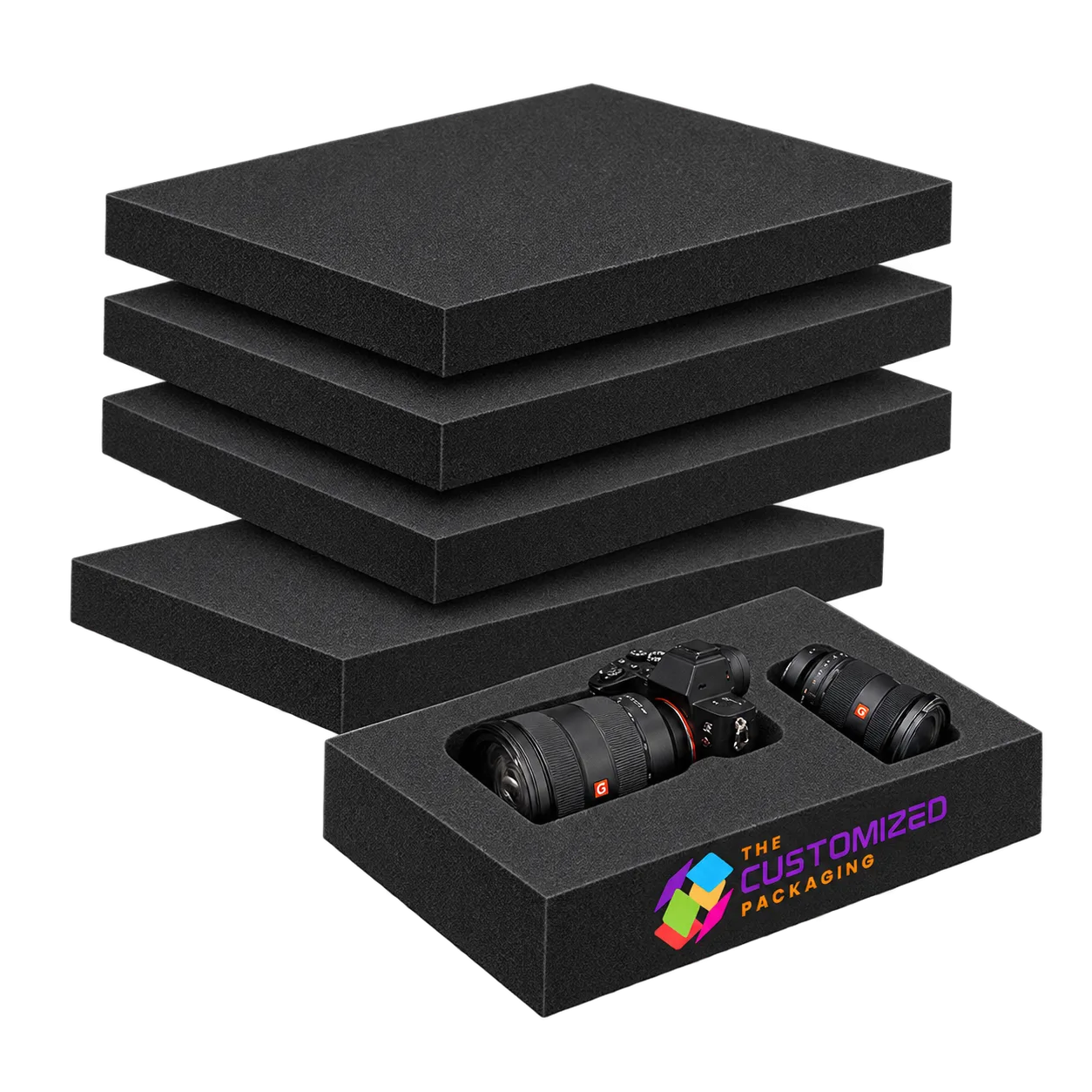
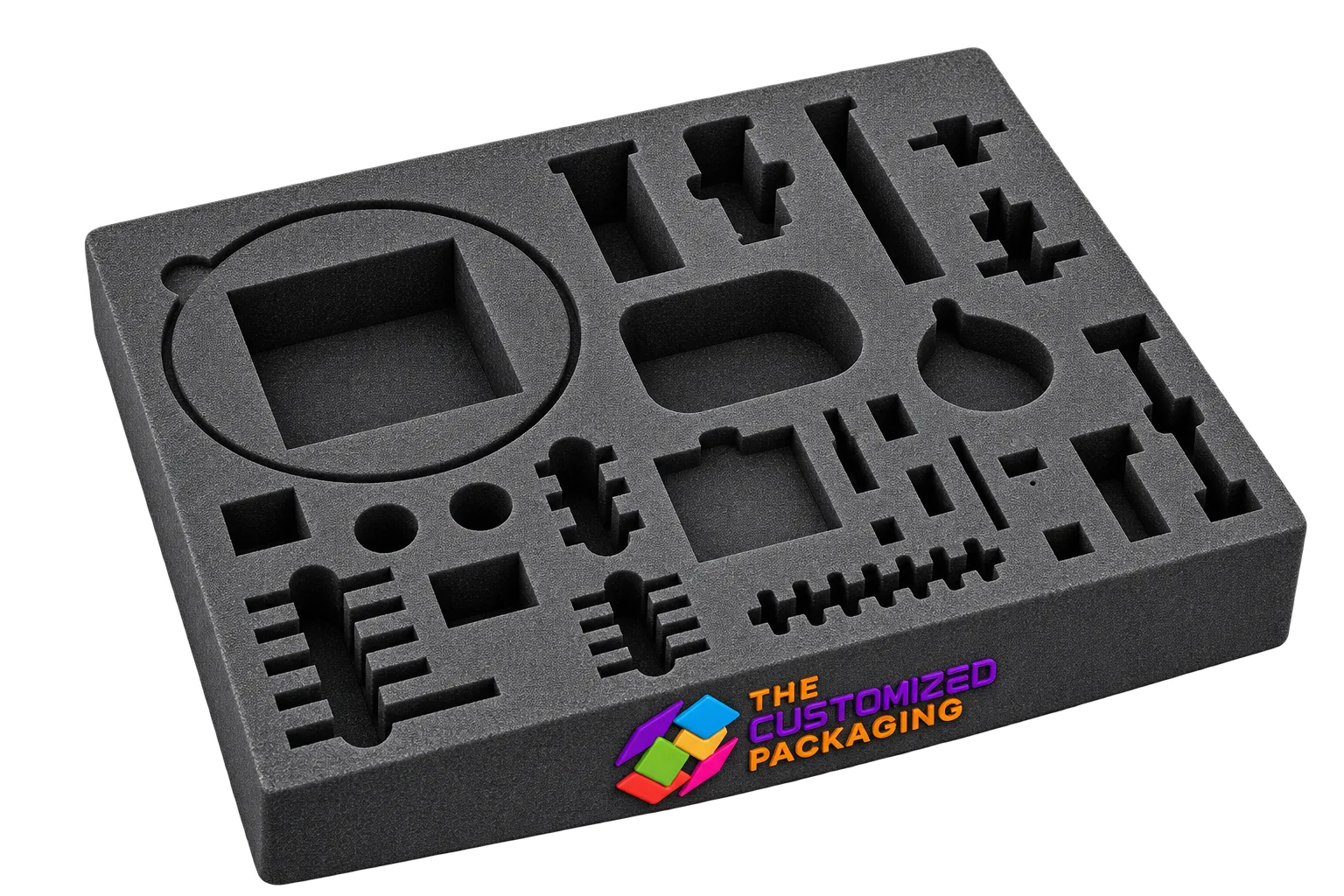
These inserts are different from enclosed boxes. They do not replace the outer packaging, lid, or closure. They are also different from fitted foam nests. For products that require individually shaped cavities rather than interlocking cardboard walls, explore our Custom EVA Foam Inserts.
Custom Divider Cells, Layouts, and Product Fit
The first step in designing a cardboard divider insert is determining how many products need to fit inside the outer box. A four-cell arrangement works differently from a twelve-bottle grid, and the appropriate partition height depends on the product shape and the amount of separation required.
For bottles and jars, measure the widest diameter, including caps or collars that may extend beyond the body. Rectangular products should be measured by their full length and width, including labels, dispensing components, and protruding features. Divider cells must provide enough loading clearance without allowing excessive movement.
- Confirm the number of items or compartments needed per outer box.
- Measure each product's widest length, width, diameter, and height.
- Share the exact internal dimensions of the outer packaging.
- Choose equal or mixed-size cells according to the product assortment.
- Specify divider height and any top clearance requirements.
- Identify delicate labels, caps, glass surfaces, or unusual product shapes.
- Review assembly and loading procedures before finalizing the design.
| Product Application | Divider Design | Important Measurement |
|---|---|---|
| Glass Bottles | Equal-size interlocking cells | Bottle diameter, cap width, and height |
| Cosmetic Jars | Square or rectangular compartments | Jar footprint and lid diameter |
| Sample Vials | Small repeated cells | Vial diameter and upright stability |
| Mixed Gift Sets | Custom mixed-size compartment map | Dimensions of every component |
| Retail Assortments | Divided tray layout | Product orientation and presentation |
Cardboard Materials and Interlocking Divider Construction
Cardboard dividers can be manufactured using selected paperboard or corrugated materials, depending on the number of cells, product weight, divider height, and outer box construction. Interlocking partition strips are commonly used to build a grid that separates products without requiring a fully enclosed compartment for each item.
Paperboard dividers may be appropriate for lighter assortments and retail presentations, while corrugated partitions can provide additional structural thickness for certain heavier products. Material choice should be based on the complete packed configuration rather than appearance alone.
White, kraft, or other suitable board surfaces can be selected to coordinate with the outer packaging. Where printing is required, simple product identification or brand graphics can be considered on visible insert areas.
| Construction Option | Typical Application | Design Consideration |
|---|---|---|
| Paperboard Partitions | Light products and presentation kits | Board thickness and cell fit |
| Corrugated Partitions | Selected heavier product assortments | Flute and divider height |
| Interlocking Grid | Repeated bottle or jar cells | Slot alignment and assembly |
| Mixed-Size Layout | Multi-product sets | Different footprints and loading order |
Divider Inserts Versus Foam and Molded Product Holders
Cardboard divider inserts use partition walls to separate products within an outer carton. This makes them well suited to items that can be organized into square or rectangular cells. A carton containing multiple jars, bottles, or product boxes may use a simple interlocking grid when each item has a reasonably regular footprint.
Foam inserts operate differently. They can be cut into shaped cavities that follow more complex product outlines and may offer a different presentation or cushioning arrangement. The appropriate material depends on the product shape, surface sensitivity, required positioning, and outer packaging.
For fragile goods, the divider alone may not provide all the protection required during distribution. Additional cushioning, top pads, or an appropriate shipping carton may be necessary. Actual package performance should be reviewed with the filled product and intended handling conditions.
Custom Cardboard Dividers for Shipping, Retail, and Gift Sets
Dividers are useful for businesses that pack multiple products together. Cosmetics brands can organize jars or sample containers, beverage brands can separate bottles, and retail gift programs can arrange boxed accessories in a consistent layout.
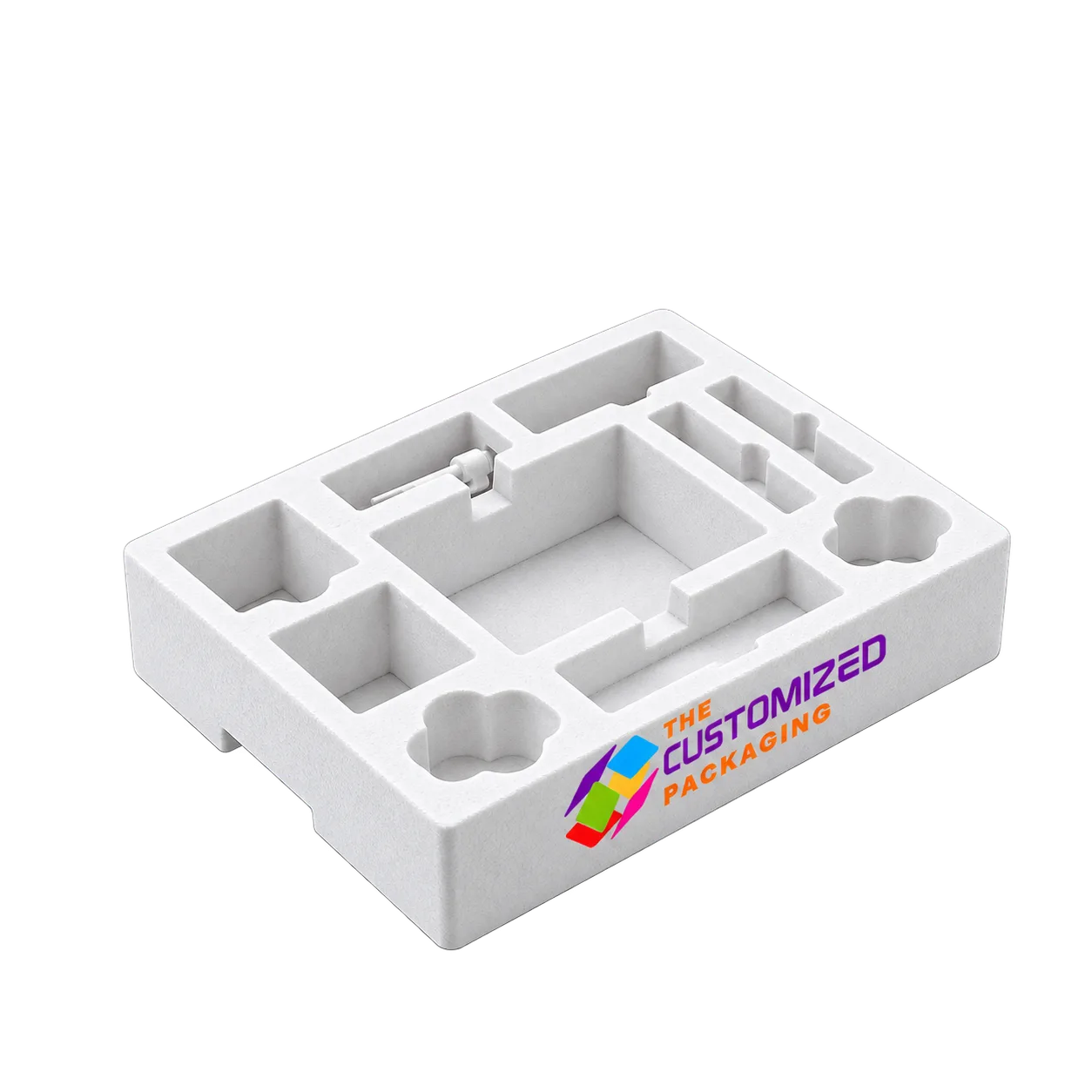
For shipping cartons, the divider cell map should match the outer box's internal dimensions and the intended stacking arrangement. Related outer formats include custom cardboard mailer boxes when the assortment ships as a parcel pack. For retail and presentation boxes, the same structure can help keep products neatly aligned when customers open the packaging. Brands packing bottles or jars may also review custom bottle product inserts when a molded or shaped holder is a better fit than an interlocking grid.
Some programs use dividers that ship flat and are assembled when needed. Others require preassembled grids to support faster packing. The preferred method depends on the number of cells, production volume, packaging workflow, and available labor.
Request a Quote for Custom Cardboard Divider Inserts
To develop an accurate quotation, share the internal length, width, and height of your outer box, along with the dimensions and quantity of every product going inside. Include the proposed arrangement if you already have a preferred cell layout.
It is helpful to provide photographs of the packed items or a simple drawing showing their positions. This makes it easier to confirm compartment widths, divider height, and the spacing needed around caps, labels, or fragile surfaces.
If you are also ordering an outer carton, our Custom Box Packaging Cost Calculator can provide preliminary outer box cost context. Custom divider pricing should be confirmed separately according to material, cutting, cell count, and assembly requirements.
A sample insert should be checked inside the intended outer box with all products loaded. Confirm that partitions assemble correctly, the grid remains aligned, and products can be removed without excessive pressure against labels or surfaces.
For repeated orders, retain the approved internal dimensions and cell map. Even a small change to bottle diameter or carton board thickness can affect how the divider fits, so updated product specifications should be reviewed before reusing an existing cutting layout.
Whether you need a simple four-cell cardboard partition or a custom multi-product insert, The Customized Packaging can review your box dimensions and packing requirements to develop a suitable divider configuration.
Custom cardboard divider inserts create separate compartments inside an outer packaging box. They are useful for organizing bottles, jars, vials, cosmetics, and other products packed together.
Yes. Divider grids can use equal or mixed-size compartments to accommodate different products. Share the dimensions and planned arrangement of every item so the cell layout can be developed accurately.
Cardboard divider inserts separate products using partition walls, while EVA foam inserts use fitted cavities cut into foam. The preferred option depends on product shape, presentation needs, and packaging requirements.
Not automatically. Divider inserts are separate internal components. They can be quoted alone or together with a compatible outer box when both items are included in the packaging brief.
Provide the internal dimensions of the outer box, product dimensions or diameters, cell count, divider height, material preference, and quantity. A diagram showing the intended layout is especially helpful.
Related Products
Order Custom Cardboard Divider Inserts from The Customized Packaging
We manufacture Custom Cardboard Divider Inserts for businesses that need reliable product protection, accurate printing, and professional packaging for retail, ecommerce, storage, or shipping. Each box can be customized by size, material, structure, printing, coatings, finishes, inserts, and order quantity.
Share your artwork and quantity targets for Custom Cardboard Divider Inserts and we will recommend the most cost-effective structure for your timeline. or speak with a packaging expert. Browse custom rigid boxes, packaging inserts, and use our Custom Box Packaging Cost Calculator.