Branded Retail Displays for Candy and Confectionery Products
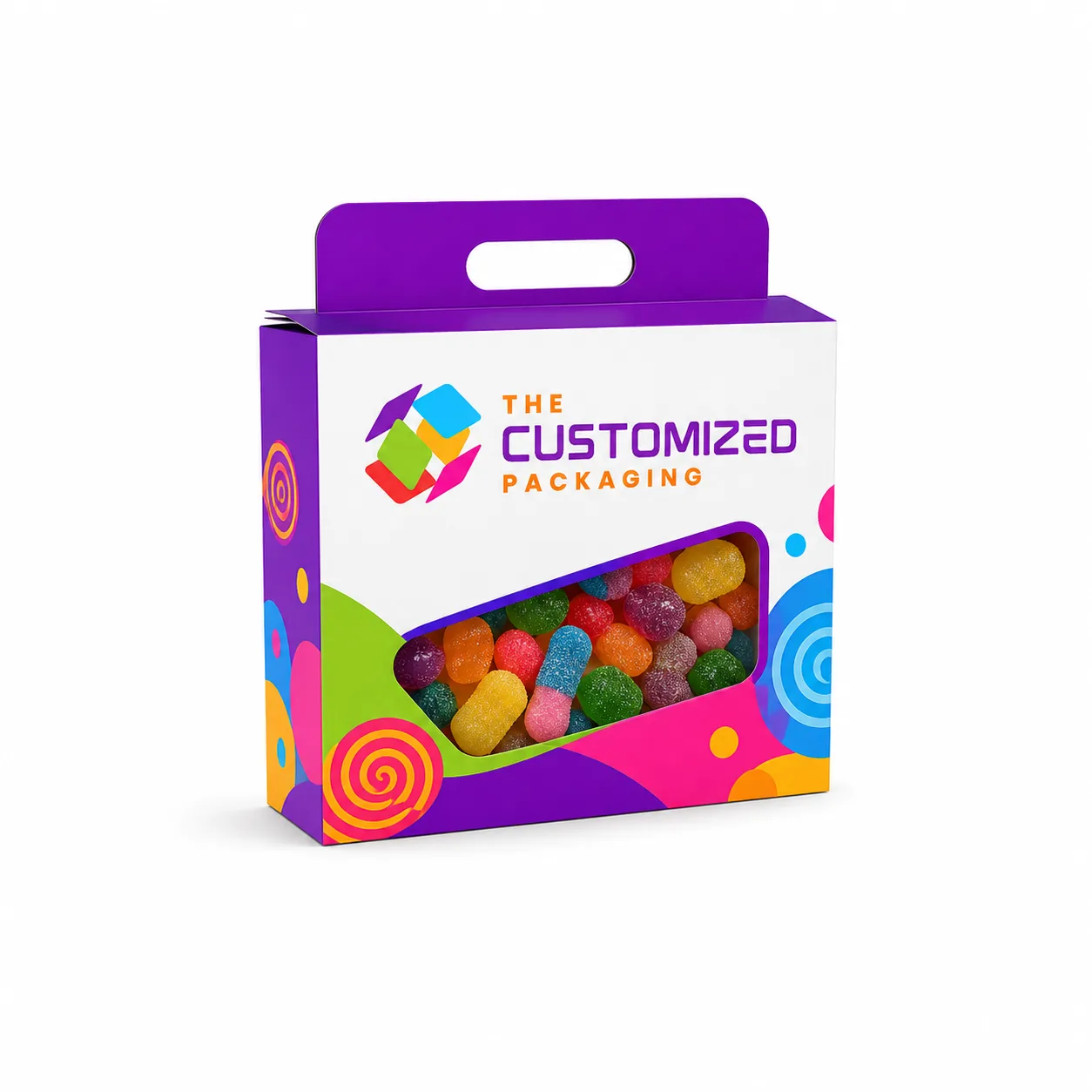
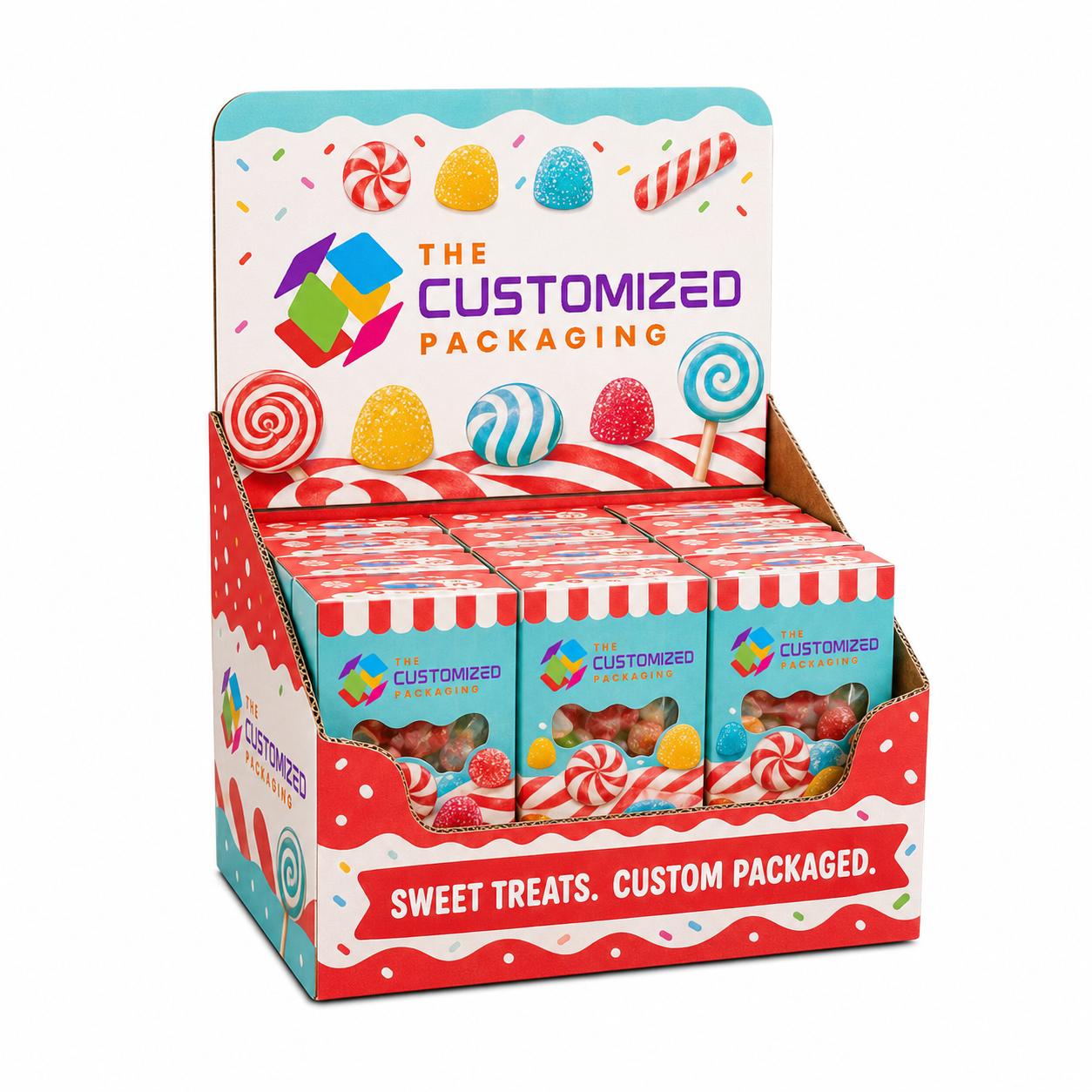
Custom Candy Display Boxes combine product packaging, retail presentation, dispensing, and promotional communication in one structure. They can hold individual candy bags, chocolate bars, lollipops, mint cartons, wrapped sweets, gummy packs, caramel pieces, sample products, and other confectionery units in an organized arrangement.
The display dimensions, material, product wells, front opening, header height, dispensing angle, dividers, tiers, and graphics can be customized around the candy dimensions, packed weight, unit quantity, retail shelf, and intended customer interaction.
A properly engineered display helps products remain upright, visible, accessible, and easy to restock. It may also reduce loose products, cluttered counters, and inconsistent brand presentation.
These displays are suitable for confectionery manufacturers, candy brands, chocolatiers, bakeries, supermarkets, convenience stores, pharmacies, cafés, gift shops, department stores, wholesalers, promotional agencies, and event vendors.
Suitable Candy Products and Display Applications
| Candy Product |
Recommended Display Application |
| Candy Bars |
Open-front trays, shelf-ready displays, tiered cartons, and checkout counters |
| Gummies |
Countertop boxes, hanging packs, dispenser displays, and retail shelf trays |
| Hard Candy |
Gravity-feed dispensers, open bins, compact countertop displays, and sample stations |
| Mints |
Small dispenser boxes, checkout displays, hospitality counters, and promotional areas |
| Lollipops |
Upright hole displays, tiered stands, counter trays, and character-themed displays |
| Chocolates |
Premium trays, divided displays, gift counters, and seasonal retail presentations |
| Caramels and Taffy |
Open-front cartons, bulk wrapped-candy displays, and countertop assortments |
| Jelly Beans |
Packaged-unit displays, gravity-feed cartons, and colorful promotional displays |
| Candy Bags |
Shelf-ready trays, open-front cases, countertop units, and promotional endcaps |
| Promotional Candy |
Trade shows, launches, events, hotel counters, and branded giveaways |
| Seasonal Candy |
Holiday displays, checkout promotions, themed shelves, and limited editions |
| Candy Samples |
Sampling trays, event counters, reception desks, and promotional campaigns |
Material Options
The selected material affects display strength, print quality, stacking, product support, transport performance, and overall cost.
| Material |
Best For |
Main Benefits |
| SBS Paperboard |
Lightweight candy packs and detailed retail graphics |
Smooth print surface, precise die-cutting, and economical customization |
| Natural Kraft Paperboard |
Artisan candy, handmade products, and natural branding |
Rustic appearance and paper-based construction |
| White Kraft Paperboard |
Colorful confectionery artwork and clean shelf presentation |
Strong color contrast and versatile structure |
| Corrugated Board |
Heavier candy units, shelf-ready cases, and larger displays |
Compression resistance, stacking strength, and dependable support |
| Micro-Flute Board |
Premium displays requiring additional rigidity |
Compact profile, structural strength, and detailed printing |
| Recycled Paperboard |
Sustainability-focused candy brands and campaigns |
Recycled content and customizable paper construction |
| Folding Cardboard |
Compact countertop displays and promotional units |
Lightweight construction and efficient flat storage |
| Specialty Wrapped Board |
Premium chocolate displays and luxury confectionery |
Refined textures, decorative surfaces, and elevated presentation |
Material thickness should be selected according to display dimensions, candy-unit weight, number of products, tier count, retail duration, restocking frequency, and shipping method.
Popular Candy Display Box Styles
| Display Style |
Key Features |
Recommended Use |
| Countertop Candy Display Boxes |
Compact structure placed near registers or service counters |
Mints, gummies, candy bars, samples, and impulse purchases |
| Open-Front Candy Displays |
Large front opening keeps products visible and accessible |
Candy bags, chocolate bars, wrapped sweets, and retail packs |
| Gravity-Feed Candy Displays |
Angled or stacked products move toward the dispensing opening |
Mints, small candy packs, and individually boxed confectionery |
| Tiered Candy Displays |
Multiple raised levels improve visibility of several products |
Candy bars, flavors, seasonal assortments, and product launches |
| Shelf-Ready Candy Boxes |
Shipping case converts into a retail display |
Supermarkets, wholesalers, and high-volume retail distribution |
| Lollipop Display Boxes |
Die-cut holes or channels hold lollipops upright |
Candy shops, parties, checkout counters, and themed promotions |
| Candy Dispenser Boxes |
Controlled opening releases one product at a time |
Mints, wrapped candy, small chocolate packs, and samples |
| Display Trays |
Low open walls organize packaged products on shelves |
Candy bags, gift packs, chocolate bars, and multipacks |
| Hanging Candy Displays |
Header and hang holes support peg-hook presentation |
Bagged candy, gummies, lollipops, and lightweight products |
| Floor Candy Displays |
Larger freestanding structure holds multiple product units |
Supermarkets, seasonal promotions, launches, and high-traffic areas |
Custom Sizes and Display Capacity
We manufacture custom-size candy display boxes according to the individual package dimensions, product weight, number of units, shelf width, counter depth, display height, and restocking requirements.
Small countertop displays may hold a few mint boxes, chocolate bars, or promotional samples. Medium open-front cartons can organize candy bags, gummies, or wrapped confectionery. Larger shelf-ready and floor displays can hold complete retail cases or several product varieties.
Accurate sizing helps products remain upright without becoming difficult to remove. Customers can provide candy-pack dimensions, target unit count, shelf measurements, photographs, physical samples, existing displays, or retail planograms for structural development.
Custom Printed Candy Display Boxes
Custom printed candy display boxes can display your logo, company name, product flavor, price message, promotional headline, website, social media information, QR code, product benefits, seasonal artwork, and retail call to action.
Available printing methods include offset, digital, flexographic, screen, CMYK, Pantone, white ink, metallic ink, and one-color printing.
The front lip, side walls, header card, back panel, base, interior, dividers, product wells, shelf tray, and shipping cover can be customized where technically suitable.
Custom Candy Display Boxes with Logo
Adding a logo helps confectionery businesses maintain recognizable branding across grocery stores, convenience locations, candy shops, cafés, events, and wholesale distribution.
Logos may be printed, foil-stamped, embossed, debossed, or highlighted with spot UV where the material supports the selected finish.
Branding can appear on the header, front lip, side panels, product dividers, base, rear wall, or repeating pattern.
A large header logo can improve visibility from a distance, while smaller product-level branding keeps the display consistent when stock levels fall.
Countertop Candy Displays
Countertop candy displays are designed for compact placement near registers, reception desks, café counters, tasting areas, and service points.
They are suitable for impulse products such as mints, gummies, chocolate bars, lollipops, caramels, and sample packs.
A raised header can communicate price, flavor, promotion, or product benefit without occupying extra counter width.
The base should remain stable as customers remove products from the front or sides.
Checkout Candy Displays
Checkout displays place candy within easy reach during the final stage of a customer’s shopping journey.
They can be designed for narrow counter areas, checkout lanes, register shelves, and queue systems.
Bright artwork, limited-time offers, bundle messages, and price callouts can increase product visibility without relying on excessive text.
The opening and product arrangement should support quick selection and easy restocking by store staff.
Open-Front Candy Display Boxes
Open-front displays use a large cutout to reveal product packaging while retaining side and rear support.
They are suitable for candy bags, boxed mints, chocolate bars, gummies, and wrapped confectionery.
The front lip can be low for easy access or raised to prevent products from falling forward.
Side walls may include angled cuts that improve visibility from different viewing directions.
Gravity-Feed Candy Displays
Gravity-feed displays allow packaged candy units to move toward the dispensing opening as products are removed.
They are suitable for uniformly shaped mint boxes, small candy cartons, wrapped products, and compact snack packs.
The internal channel width, slope, opening height, and product friction should be tested using actual packed products.
Gravity-feed structures should prevent multiple units from falling out while allowing one product to be removed smoothly.
Candy Dispenser Boxes
Dispenser boxes release one packaged candy item at a time through a lower or front opening.
They can be used for mints, wrapped candies, sample packs, small chocolate bars, and promotional products.
The dispensing opening should match the product dimensions and shape to reduce jams, uncontrolled release, and product damage.
A refill flap may be added to the top or back for store staff.
Tiered Candy Display Boxes
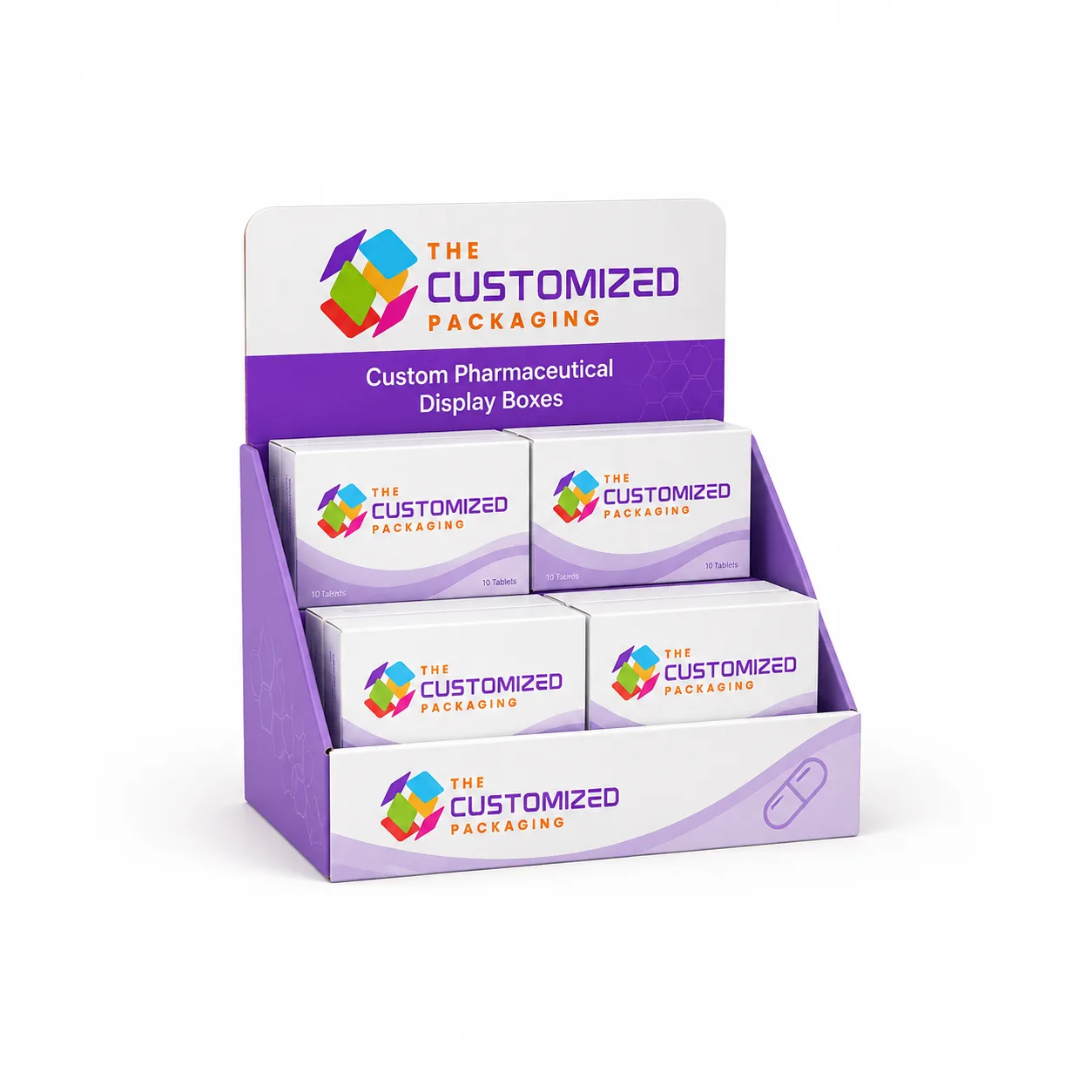
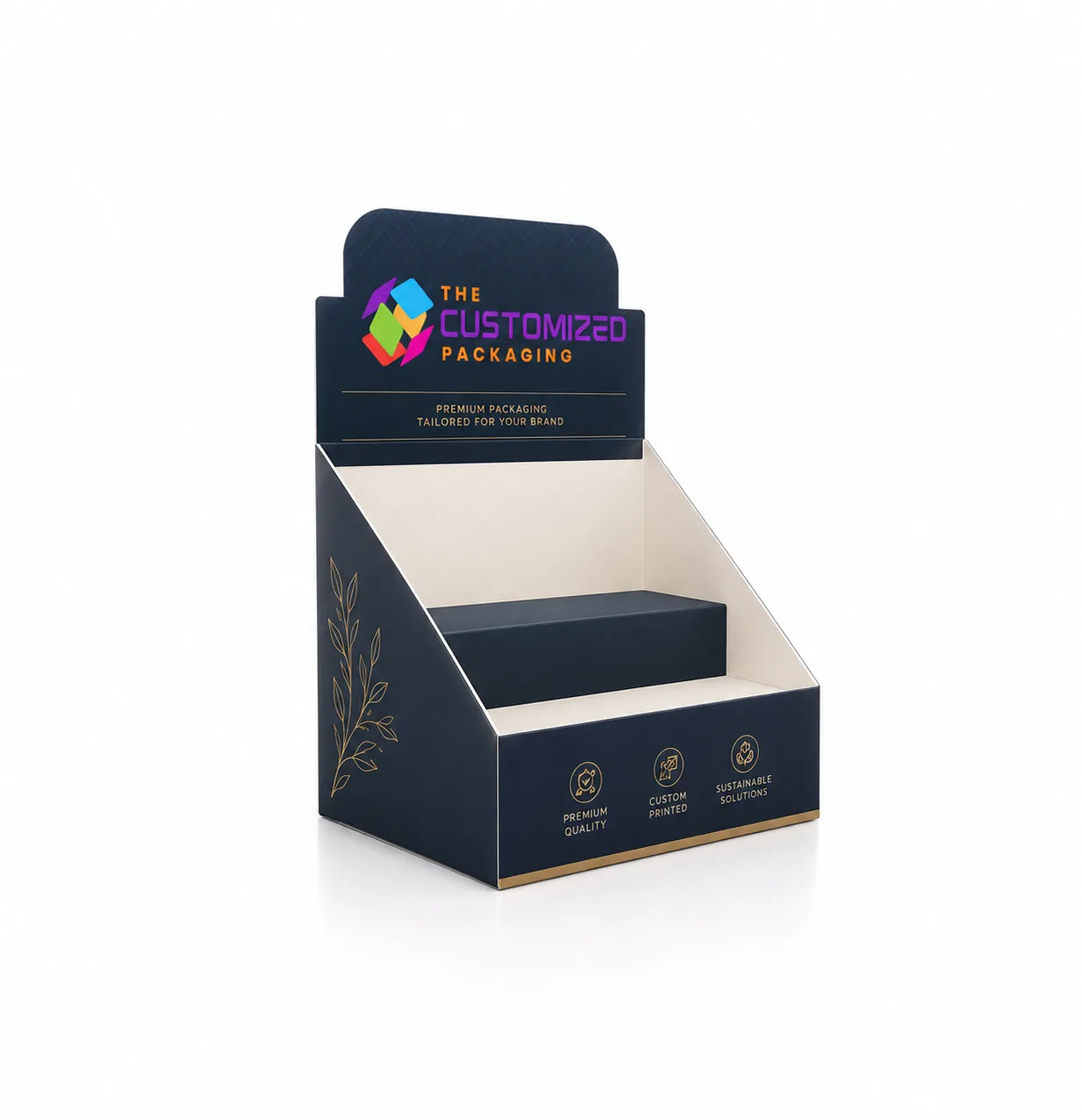
Tiered displays organize candy products on two or more raised levels.
They are useful for presenting several flavors, package colors, candy types, or price points within one compact footprint.
The rear tiers should remain visible after the front row is stocked. Each level can include printed flavor names, product labels, or price information.
Tiered inserts may be removable to simplify packing and transport.
Shelf-Ready Candy Packaging
Shelf-ready candy boxes function as shipping cases that can be opened or converted into retail displays.
Perforated panels, tear-away lids, removable covers, and front cutouts can help store staff place products on shelves quickly.
The exterior can include shipping information, while the exposed interior panels carry customer-facing branding.
The tear-away area should remove cleanly without damaging the visible display surface.
Candy Display Trays
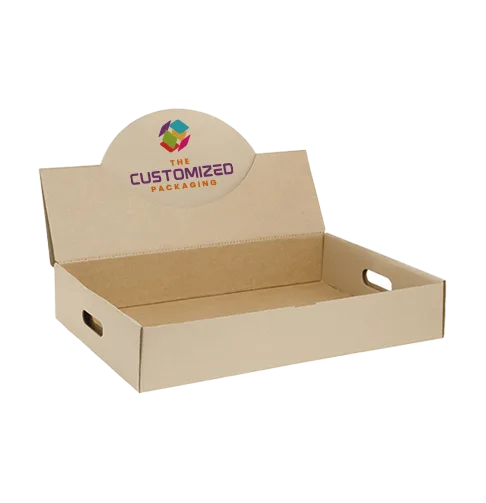
Display trays use low front and side walls to organize products while maintaining broad visibility.
They are suitable for candy bags, chocolate bars, gift packs, gummy pouches, and confectionery cartons.
Trays may sit directly on shelves, inside larger displays, or within countertop fixtures.
A printed front lip can display the product name, logo, price, or promotional message.
Lollipop Display Boxes
Lollipop displays use die-cut holes, slots, channels, or raised supports to hold products upright.
The hole diameter should match the stick thickness while allowing products to be inserted and removed easily.
Displays can be produced in rectangular, circular, stepped, character-inspired, or fully customized shapes.
The structure should remain stable when products are unevenly removed from different areas.
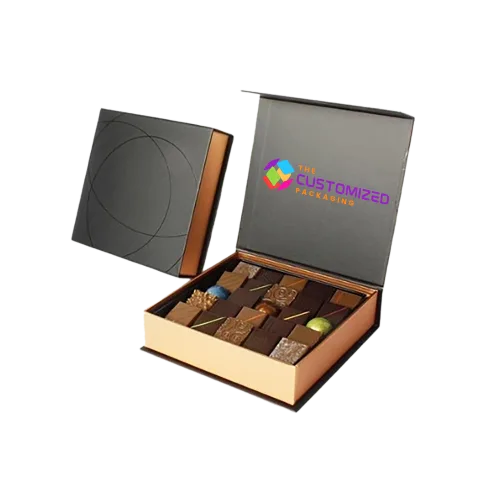
Chocolate Bar Display Boxes
Chocolate bar displays can hold bars vertically, horizontally, angled, or in tiered rows.
Dividers can separate flavors, sizes, cocoa percentages, or product collections.
The display should provide enough support to keep bars upright without damaging the outer wrappers.
Premium chocolate displays may use matte coatings, foil details, and refined artwork, while everyday retail units may prioritize simple loading and high visibility.
Gummy Candy Display Boxes
Gummy displays can organize stand-up pouches, small sachets, folding cartons, or multipack bags.
Open-front trays, tiered structures, and shelf-ready cartons are suitable for grocery and convenience retail.
Flavor colors and product illustrations can be coordinated with divider labels and header graphics.
Mint Display Boxes
Mint displays are often compact and designed for checkout counters, reception desks, restaurants, hotels, pharmacies, and promotional locations.
They may hold small mint cartons, tins in suitable compartments, pouches, or individually wrapped pieces in approved inner packaging.
Dispenser and gravity-feed structures can support high-volume access while maintaining an organized appearance.
Wrapped Candy Displays
Individually wrapped sweets can be presented in open bins, divided trays, gravity-fed dispensers, or compact countertop boxes.
The display can organize products by flavor, color, brand, or promotional campaign.
When candy is placed loose inside a display rather than in individual outer packs, direct food-contact requirements should be reviewed for the box material and printed surfaces.
Candy Bag Display Boxes
Retail candy bags can be arranged inside open-front trays, shelf-ready cases, countertop displays, or floor units.
The display dimensions should match the width and bottom shape of the candy bags so products remain upright.
Dividers may be added when several flavors or bag sizes share the same display.
Seasonal Candy Displays
Custom displays can be created for Christmas, Valentine’s Day, Halloween, Easter, Thanksgiving, birthdays, and other seasonal campaigns.
The header, side panels, product wells, and front lip can carry holiday artwork, limited-edition messages, bundle offers, and campaign dates.
Digitally printed structures may be suitable for selected lower-volume seasonal promotions.
Promotional Candy Displays
Promotional displays can support product launches, limited offers, sampling programs, store openings, brand collaborations, and event campaigns.
They may include sponsor logos, QR codes, campaign hashtags, product instructions, and calls to action.
Compact displays are suitable for trade shows and counters, while larger floor units can support high-traffic retail promotions.
Candy Sample Display Boxes
Sample displays can organize miniature candy packs, tasting portions, coupons, or promotional giveaways.
Individual wells and dividers help prevent samples from becoming disorganized.
The display may include a header with tasting information, flavor choices, promotional codes, or purchase instructions.
Sampling procedures and direct-contact requirements should be managed according to the actual product and retail environment.
Grocery and Supermarket Candy Displays
Supermarket displays can be designed for shelves, checkout lanes, endcaps, seasonal aisles, and promotional tables.
Shelf-ready structures reduce handling, while open-front trays improve product access.
Large retail programs may use coordinated displays in several sizes to support different store layouts.
Product barcodes, case labels, and replenishment information can be included on non-customer-facing panels.
Convenience Store Candy Displays
Convenience stores often require compact displays that fit limited checkout and shelf space.
Narrow countertop units, tiered trays, gravity-feed boxes, and hanging displays can organize high-turnover candy products.
The display should allow fast restocking and remain stable during frequent customer interaction.
Pharmacy and Hospitality Displays
Pharmacies, hotels, restaurants, clinics, and reception areas can use compact displays for mints, chocolates, promotional sweets, or individually packaged candy.
The exterior can carry business branding, service information, campaign messages, or QR codes.
Candy should remain in suitable primary packaging when hygiene, handling, or product-protection requirements make loose presentation inappropriate.
Trade Show and Event Candy Displays
Custom candy displays can be used at exhibitions, conferences, weddings, corporate events, launches, and community programs.
The structure can display company logos, event dates, sponsor information, social media details, or branded calls to action.
Portable folding displays and compact countertop units are easier to transport and assemble at temporary venues.
Floor Candy Displays
Floor displays provide a larger freestanding solution for supermarkets, product launches, seasonal campaigns, and high-volume promotions.
They can include several shelves, trays, side pockets, header panels, and a reinforced base.
The structure should be engineered around total packed weight, customer access, restocking, floor stability, and shipping requirements.
Heavy or high-capacity displays may require corrugated board, reinforced internal supports, or separate shelves.
Peg-Hook and Hanging Candy Displays
Hanging displays can include peg hooks, die-cut slots, hanging panels, or integrated rails for candy pouches and lightweight packs.
The header panel provides space for branding and product messaging.
The hanging area should be engineered according to packed weight, hook dimensions, and expected handling frequency.
Display Headers and Promotional Panels
Headers improve visibility by extending branding above the product area.
Available styles include straight headers, curved tops, shaped panels, detachable cards, double-sided signs, and dimensional structures.
Headers can display the logo, product name, flavor, price, offer, mascot, character, or seasonal message.
The panel should remain balanced and should not cause the display to tip backward.
Dividers and Product Channels
Custom dividers keep different flavors, sizes, or products separated.
Available options include vertical partitions, angled channels, removable grids, product wells, stepped dividers, and adjustable sections.
Printed divider tabs can identify flavors or product categories.
The dividers should guide products without making restocking or removal difficult.
Product Wells and Retention Features
Product wells help individual packs remain upright and aligned.
Side tabs, raised platforms, folded channels, base slots, front lips, and rear supports can prevent products from sliding or falling.
Retention features should be tested with the actual product packaging because variations in bag stiffness and carton size can affect display performance.
Tear-Away and Convertible Displays
Convertible displays are shipped as enclosed cartons and transformed into open retail units by removing perforated sections.
They can reduce repacking and simplify store setup.
Tear lines should be positioned away from important branding and structural supports.
Clear opening instructions may be printed on the shipping panels for store employees.
Flat-Pack and Easy-Assembly Displays
Candy displays can be supplied flat to reduce storage and freight volume.
Pre-scored panels, locking tabs, auto-bottom structures, and printed assembly guidance can simplify setup.
Displays intended for temporary promotions may prioritize quick assembly, while long-term retail units may require reinforced bases and more durable construction.
Retail Information and Price Areas
Custom displays can include price panels, product names, flavor labels, promotional messages, UPC information, offer terms, and restocking guidance.
Writable areas or removable price cards can support changing retail prices and temporary promotions.
Customer-facing information should remain clear and should not be hidden when the display is fully stocked.
QR Codes and Digital Integration
QR codes can connect shoppers to product pages, ingredient details, loyalty programs, contests, videos, brand stories, store locators, or promotional offers.
The code should appear on a flat, high-contrast area away from folds, deep textures, reflective finishes, and frequently touched openings.
A printed sample should be scanned with several devices before production approval.
Ingredient and Allergen Communication
Display boxes may carry general product information, but individual candy packages should still include any required ingredients, allergens, nutrition information, net quantity, and date coding.
Businesses are responsible for confirming the labeling requirements that apply to their products and sales channels.
A display should not make dietary, allergy, or performance claims that are not supported by the individual confectionery products.
Direct Food-Contact Considerations
Candy display boxes generally hold individually wrapped or separately packaged products.
When loose candy directly contacts the display, the paperboard, coatings, inks, adhesives, liners, and manufacturing process should be selected specifically for the intended application.
Standard exterior printing, recycled board, foil, laminates, and decorative finishes should not directly contact unpackaged candy unless they are suitable for that use.
Grease and Moisture Considerations
Chocolate, caramel, coated nuts, and selected confectionery may leave grease marks on untreated board if they are not individually wrapped.
Moisture, humidity, temperature, and product oils can affect both the candy and the display structure.
Suitable inner packaging, liners, coatings, or product trays should be selected according to the actual candy.
Display boxes should not be described as greaseproof, waterproof, or moistureproof unless the complete structure has been specifically developed and tested for those properties.
Heat-Sensitive Candy Displays
Chocolate and coated confectionery can soften, melt, discolor, or develop surface changes under unsuitable temperatures.
The display organizes and promotes the product but does not provide active temperature control.
Retailers should consider lighting, sunlight, HVAC conditions, store temperature, and display location when presenting heat-sensitive products.
Protective Shipping Covers
Countertop and shelf-ready displays can include removable covers or outer shipping sleeves that protect products and graphics during transportation.
The cover may be torn away, lifted off, or folded behind the display during setup.
Protective corners and corrugated outer cases may be added for premium or complex displays.
Ecommerce and Multipack Shipping
Candy display boxes are primarily designed for retail merchandising, but they may also be packed inside corrugated shipping cartons for wholesale distribution or event delivery.
The shipping system should protect display corners, headers, windows, and printed surfaces.
Displays shipped with products already loaded may require internal restraints, shrink-free paper bands, or protective covers to keep units in place.
Security and Tamper-Evident Options
Display boxes can include removable covers, locking tabs, adhesive seals, security labels, tear strips, or enclosed shipping panels.
Open displays provide easy product access but offer limited tamper protection.
Higher-value confectionery may require individually sealed products, monitored placement, security fixtures, or controlled staff access.
Premium Finishes and Decorative Details
Custom candy displays can be enhanced with matte lamination, gloss lamination, aqueous coating, varnish, soft-touch finishes, spot UV, metallic ink, pearlescent stock, and textured paper.
Decorative options include gold foil, silver foil, rose-gold foil, copper foil, embossing, debossing, shaped headers, dimensional graphics, branded labels, and promotional cards.
Premium finishes should not weaken folds, perforations, product channels, or assembly areas.
Eco-Friendly Candy Display Boxes
Eco-friendly candy displays can be manufactured using recycled paperboard, kraft stock, recyclable corrugated material, paper-based dividers, unlaminated surfaces, and water-based inks.
Businesses may choose right-sized structures, removable inserts, minimal ink coverage, open fronts, simplified components, and flat-pack construction.
A paper display should not automatically be described as recyclable, biodegradable, or compostable. Environmental claims should reflect coatings, adhesives, laminates, transparent films, metallic finishes, product contamination, and local disposal systems.
Wholesale and Bulk Candy Display Boxes
Ordering wholesale custom candy display boxes can reduce the average unit price and help confectionery businesses maintain consistent retail presentation across stores, distributors, product launches, seasonal campaigns, and wholesale accounts.
Bulk candy displays are suitable for manufacturers, chocolatiers, candy stores, supermarkets, convenience retailers, pharmacies, cafés, hotels, event vendors, and promotional agencies.
Pricing depends on dimensions, material, display style, product capacity, dividers, tiers, headers, printing coverage, perforations, finishes, quantity, and delivery destination.
Low-minimum options may be available for selected digitally printed countertop displays and simple paperboard trays. Floor displays, complex gravity-feed structures, multiple tiers, reinforced shelving, and specialty finishing may require higher production quantities.
Use our Custom Box Packaging Cost Calculator to receive a preliminary estimate for your candy merchandising project. Enter the required dimensions, quantity, material, display style, product capacity, number of tiers, dividers, printing coverage, header, and finishing options.
Want to know the cost of your product’s packaging? Try our Custom Box Packaging Cost Calculator.
The calculator can help compare countertop displays, open-front trays, gravity-feed dispensers, tiered boxes, lollipop displays, shelf-ready cartons, and custom floor units.
Final pricing is confirmed after reviewing the individual candy-pack dimensions, unit weight, target capacity, retail placement, structural requirements, artwork, order quantity, and delivery destination.
Factors That Affect Candy Display Box Pricing
| Cost Factor |
How It Affects the Price |
| Display Dimensions |
Larger countertop and floor units require more material |
| Product Capacity |
Higher unit counts may require stronger bases and additional support |
| Material Type |
Folding paperboard, micro-flute, corrugated board, and specialty stock have different costs |
| Display Structure |
Simple trays generally cost less than gravity-feed, tiered, or floor displays |
| Headers and Signage |
Large or shaped promotional panels add material and die-cutting |
| Dividers and Product Wells |
Separate channels and fitted compartments increase structural complexity |
| Shelf-Ready Features |
Tear-away panels and convertible cases require additional engineering |
| Printing Coverage |
Full-color interior and exterior graphics increase production costs |
| Perforations and Openings |
Dispensing areas, tear-away sections, and shaped cutouts add tooling |
| Premium Finishes |
Foil, embossing, spot UV, and lamination add production processes |
| Order Quantity |
Larger wholesale quantities generally reduce the average unit price |
| Delivery Location |
Freight costs depend on flat-pack size, assembled volume, weight, and destination |
Why Choose The Customized Packaging?
The Customized Packaging manufactures custom confectionery displays for candy manufacturers, chocolatiers, sweet shops, supermarkets, convenience stores, pharmacies, bakeries, cafés, hotels, event planners, wholesalers, and promotional agencies.
Customers can choose custom dimensions, paperboard grades, display styles, tiers, dividers, dispensing openings, shelf-ready features, headers, printing methods, and decorative finishes.
Whether you need a custom candy display box manufacturer, dependable retail packaging supplier, candy displays with logo, countertop confectionery trays, gravity-feed dispensers, or wholesale candy display boxes in the USA, we can manufacture displays according to your products and merchandising requirements.
Buy Custom Candy Display Boxes Online
To request a quotation, provide the individual candy-pack width, height, depth, unit weight, required display capacity, retail shelf or counter dimensions, preferred material, display structure, divider requirements, artwork, printing colors, header details, finishing, and delivery destination.
Our packaging specialists can help you buy custom candy display boxes online, compare low-minimum and wholesale pricing, and create retail packaging that organizes confectionery while improving product visibility, customer access, store presentation, and brand recognition.
Choose The Customized Packaging for custom printed candy display boxes, confectionery displays with logo, countertop trays, shelf-ready candy cartons, lollipop displays, gravity-feed boxes, bulk orders, and wholesale custom retail packaging delivered throughout the USA.