
| Specification | Available options |
|---|---|
| Product type | Custom cardboard snap lock boxes with manual interlocking bottom |
| Packaging role | Secondary folding carton for shelf and table retail packing |
| Bottom closure | Snap lock / 1 2 3 interlocking flaps formed by hand |
| Top closure | Straight tuck or reverse tuck as specified |
| Sizing reference | Product L W H, packed weight, orientation |
| Assembly method | Manual bottom lock sequence; no bottom glue required for the lock itself |
| Materials | SBS or folding carton, kraft options, selected micro flute where specified |
| Board thickness | Selected to product weight and bottom load |
| Window options | Optional front or custom opening with board border retained |
| Insert options | Platform, collar, divider, or tray when needed |
| Retail display | Shelf standing tuck cartons; peg hang versions → hang tab snap lock page |
| Printing | CMYK, Pantone, digital, or offset on exterior and selected interior panels |
| Finishes | Matte or gloss, soft touch, foil, emboss or deboss, spot UV where board allows |
| Structure note | Not the same as auto bottom / crash lock cartons unless that structure is quoted |
| Quote inputs | Dimensions, weight, top style, window/insert needs, board preference, print plan, quantity, delivery location |
How the Snap Lock Bottom Closes
A snap lock bottom uses four bottom flaps that fold in a set order. Major and minor flaps interlock so the base stays closed under normal packing and shelf handling. Packers form the bottom by hand. No bottom glue and no bottom tape are required for that lock sequence when the carton is sized and assembled correctly.
These packs sit in TCP’s Cardboard range. This page covers general snap lock bottom cartons for shelf and table retail. Peg facing hang tab versions live on Custom Snap Lock Hang Tab Boxes. Broader tuck style cartons without a snap lock base are covered under tuck packaging in the box by style navigation when that simpler structure fits.
- Product length, width, and height
- Packed product weight on the base
- Orientation on shelf or in shipper
- Tuck top preference
- Window or insert needs
- Board caliper for bottom load
Size the Carton From Product Dimensions and Weight
Clear the finished product block, including any tray, wrap, or sleeve that ships inside. Then check bottom load. A light cosmetic tube and a denser candle jar need different board and base planning even when the outer footprint looks similar. Oversizing the cavity so the product rattles can also stress the lock during handling.
Measure with the product closed and packed as it will leave the line. Share weight with the quote so board selection matches the base job.
| Product load | Bottom consideration | Useful structure |
|---|---|---|
| Light cosmetics or accessories | Low base load | Standard paperboard snap lock |
| Candles or dense jars | Higher base load | Heavier board; confirm lock fit |
| Small electronics accessories | Stable base during handoff | Snap lock plus optional insert |
| Multipack retail units | Even weight across base | Snap lock with tray or divider |
| Fragile display goods | Limit internal movement | Snap lock plus fitted collar |
| Peg hook display SKUs | Hang strength and face forward | Use hang tab snap lock page instead |
Snap Lock Bottom Versus Auto Bottom
Snap lock bottoms are formed manually in a flap sequence. Auto bottom or crash lock cartons are a different structure that typically pops open with pre glued diagonal panels. Do not treat those names as interchangeable. If your line needs a pre glued auto bottom for speed, say so in the quote. This page is about manual snap lock interlocking bases.
Choose snap lock when packing stations can form bottoms by hand and you want a stronger base than a plain tuck bottom without adding bottom glue at packing.
Top Closure and Retail Display Options
Most snap lock cartons use a tuck top, straight or reverse, for shelf facing retail. Windows can show the product when visibility matters. Inserts and collars reduce movement inside the cavity. Hang tabs belong on the hang tab snap lock page when peg display is the primary channel.
- Snap lock bottom with tuck top for shelf cartons
- Window carton when product recognition matters
- Insert or collar for long or loose items
- Heavier board when base load rises
- Kraft or SBS faces for print plans
- Hang tab snap lock when peg display is required
Paperboard Thickness and Bottom Load
Board caliper and grade affect how well the interlocking flaps hold under weight. Light SKUs can run on standard folding carton. Heavier jars and multipacks may need stiffer board or a different structure after review. Micro flute can be considered when the brief calls for more rigidity, still as a carton structure rather than a shipping master carton.
The snap lock improves base support versus a simple tuck bottom. It does not create a sealed security package or guarantee unlimited load capacity. Match board and structure to the real packed weight.
| Retail use | Top or display feature | Fit priority |
|---|---|---|
| Shelf facing single | Tuck top; front print panel | Footprint and face |
| Visible product | Window with board border | Clear view without weak walls |
| Dense jar or candle | Firm board; stable base | Bottom load first |
| Accessory with tray | Insert plus tuck top | Internal hold |
| Peg board retail | Hang tab structure | Use hang tab snap lock page |
Measurements Needed Before the Dieline
Useful quote inputs: product L W H, packed weight, orientation, tuck top preference, window or insert needs, board preference, print and finish plan, quantity, and delivery location. For a first pass cost range before samples, use the Custom Box Packaging Cost Calculator, then confirm the lock sequence with a white sample packed with the real product.
When several SKUs share one brand face, keep print templates consistent, but let cavity and board follow the heaviest and largest unit in that family. One oversized blank for every SKU often leaves light items loose and can weaken how cleanly the bottom locks in packing.
If the same collection mixes light tube cartons and denser jar cartons, plan separate board grades or separate blanks. A single compromise caliper rarely serves both loads without soft bases on the heavy SKU or excess board cost on the light SKU.
Ask packing staff to walk through the flap sequence on the first white samples. A clean lock on an empty carton can still fail if the product footprint fights the flap order. Adjust cavity or flap geometry before artwork is final.
It is a folding carton whose bottom flaps fold in sequence and interlock under the product. Packers form the base by hand. The locked flaps support packed weight without bottom tape or bottom glue when the carton is sized correctly.
Snap lock bottoms are locked manually with interlocking flaps. Auto bottom or crash lock cartons use a different pre glued structure that typically pops open. Ask for the structure your packing line actually needs.
Measure packed length, width, and height as the item will sit in the carton, and share packed weight. Include trays or wraps that stay inside so the cavity and bottom load are realistic.
Yes. Windows can show the product when visibility matters, and inserts or collars can reduce movement. Keep enough board around openings so walls stay rigid.
No. This page is for general snap lock bottom shelf cartons. Snap lock hang tab boxes add an integrated hang tab for peg or hook display and are covered on that separate product page.
Related Products

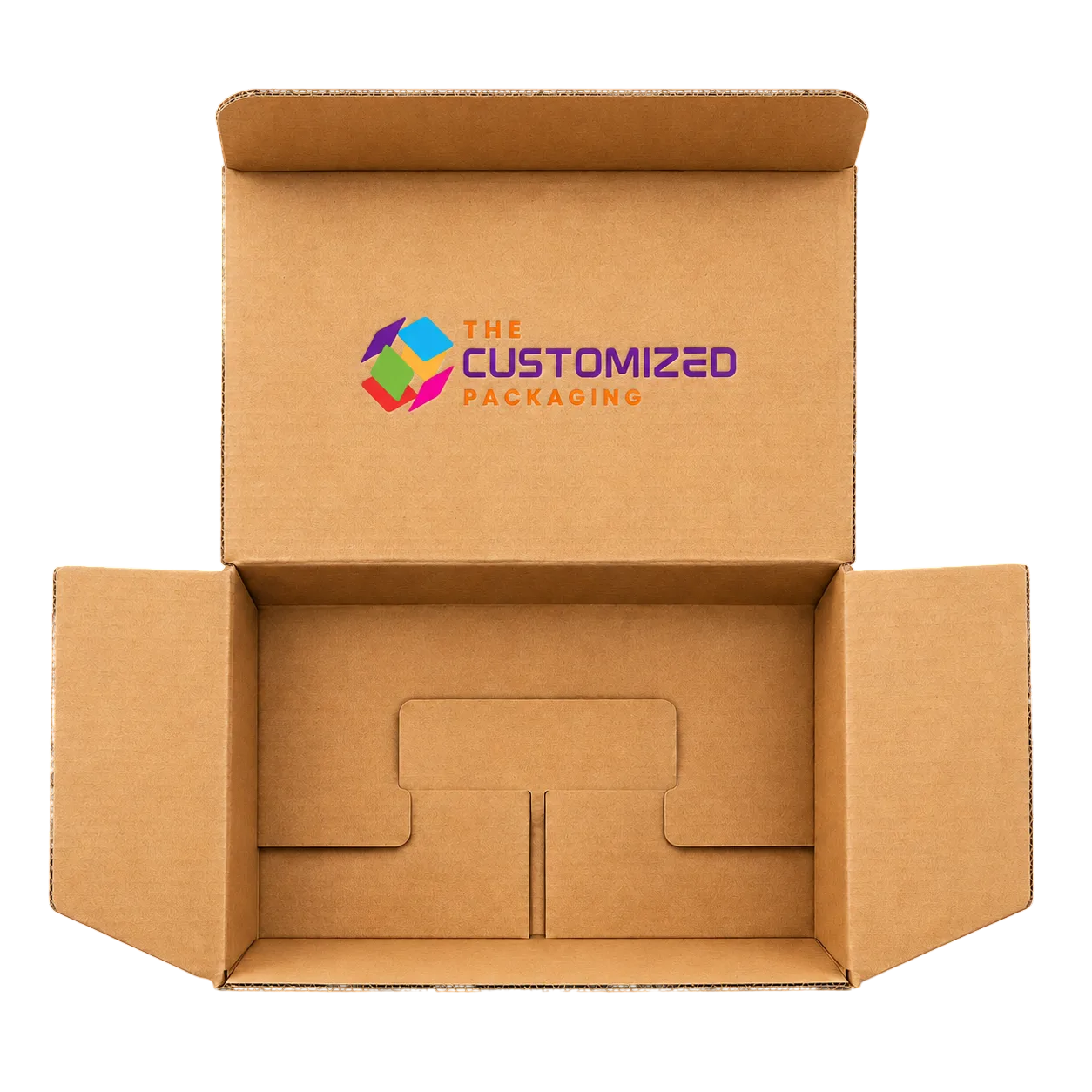
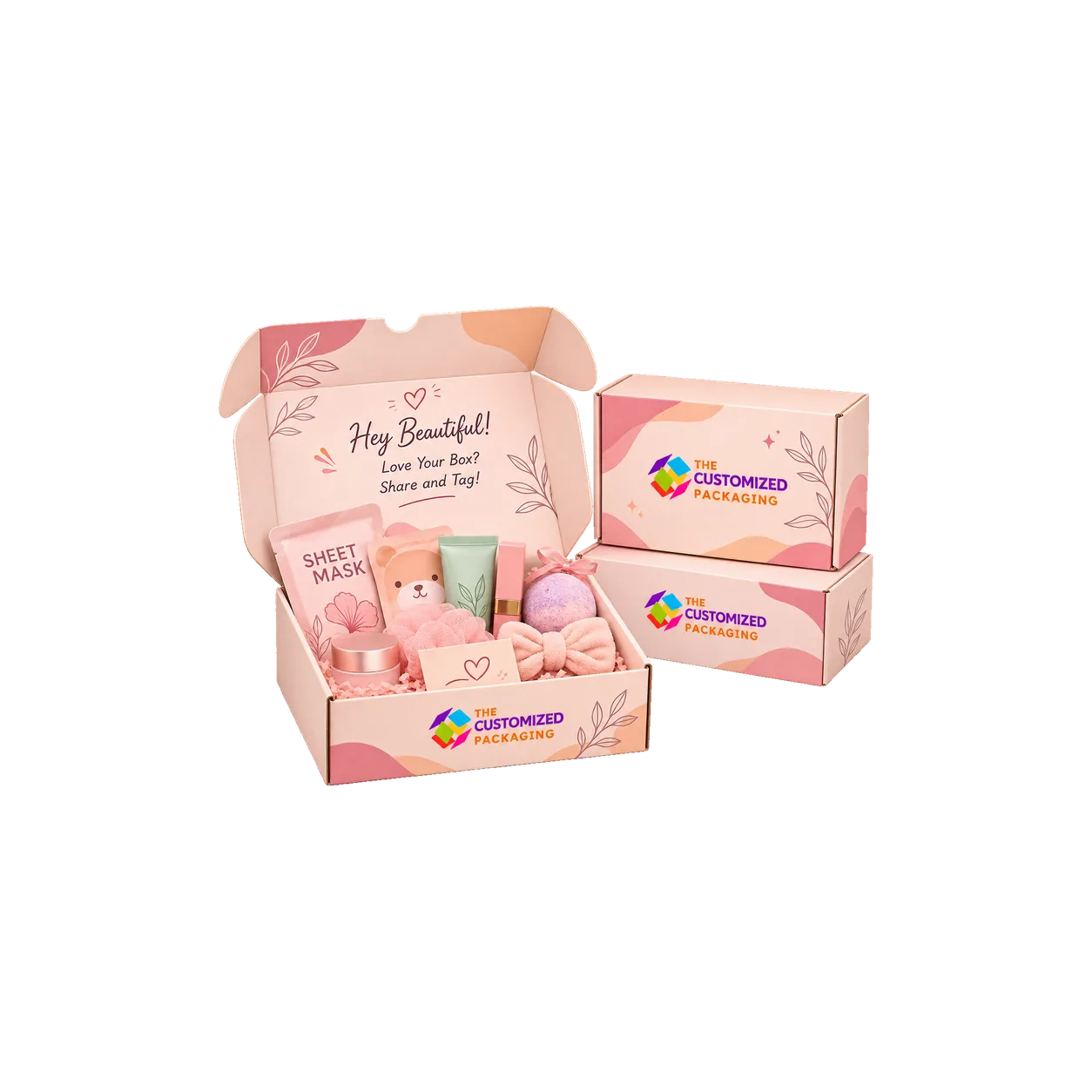
Order Custom Cardboard Snap Lock Boxes from The Customized Packaging
We manufacture Custom Cardboard Snap Lock Boxes for businesses that need reliable product protection, accurate printing, and professional packaging for retail, ecommerce, storage, or shipping. Each box can be customized by size, material, structure, printing, coatings, finishes, inserts, and order quantity.
Share your artwork and quantity targets for Custom Cardboard Snap Lock Boxes and we will recommend the most cost-effective structure for your timeline. or speak with a packaging expert. Browse custom rigid boxes, packaging inserts, and use our Custom Box Packaging Cost Calculator.