

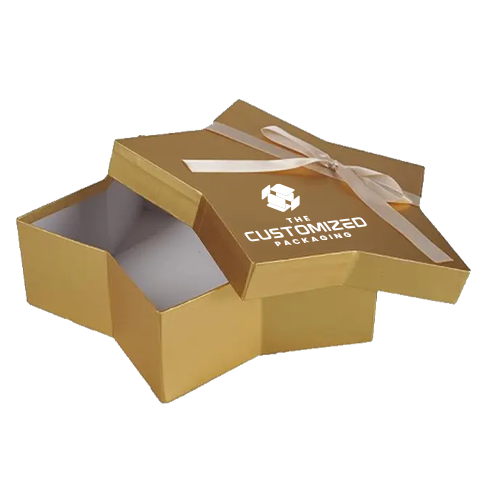
| Specification | Available options |
|---|---|
| Product type | Custom shape boxes — nonstandard geometry and specialty die-cut cartons |
| Shape definition | Angled, polygonal, motif-led, product-outline, or other approved specialty forms |
| Custom geometry | Structural outline and cut path developed around the product or campaign form |
| Custom size | Dimensions set after the geometry is defined; size alone does not create a custom shape |
| Structural options | Specialty folding carton, lid-and-base, rigid shell, sleeve-and-tray, mailer-capable board |
| Materials | Folding carton board, kraft board, corrugated board; rigid wrap where specified |
| Dieline / die cutting | Custom dieline with die cutting or digital cutting as suited to the outline |
| Closures | Tuck flaps, friction lids, interlocking tabs, magnetic wraps, or ribbon ties as geometry allows |
| Inserts | Platforms, collars, dividers, and fitted cavities for product restraint |
| Windows / cutouts | Optional viewing windows and decorative or functional cutouts where strength allows |
| Printing | CMYK, Pantone, digital, offset on approved flat panels |
| Finishes | Matte/gloss coating, foil, emboss/deboss, soft-touch, spot UV where suitable |
| Artwork | Print-ready files built to the approved specialty dieline with bleed and outlined fonts |
| Applications | Retail presentation, gifts, promotions, cosmetics kits, confectionery packs, and product launches |
| Quote inputs | Target shape/reference, packed dimensions/weight, structure, insert/window needs, print/artwork, quantity, delivery location |
Custom Shape Boxes for Nonstandard Geometry
Custom Shape Boxes are packaging structures designed around a distinctive outline or form—not only resized square or rectangular cartons. The goal is a die-cut or structurally adapted carton that follows a product silhouette, brand motif, promotional theme, or specialty retail presentation while still loading, closing, and shipping in a practical way.
They belong in TCP’s Custom Shapes range, which lists many shape-led formats. This product page focuses on commissioning a custom geometry carton for a specific item. When you need an equal-sided footprint rather than a specialty outline, compare Custom Square Boxes. For a broader style overview, start at Custom Boxes.
Custom Shape vs Custom Size
Custom size changes the dimensions of a familiar carton style. Custom shape changes the geometry: panel angles, outline, cut path, or overall form. A deeper rectangular mailer is still a standard shape with a new size. A hexagon tuck carton, heart presentation box, tapered display carton, or product-outline sleeve is a custom shape project even if the packed volume is small.
Not every outline folds cleanly from flat board. Tight curves, extreme tapers, unsupported points, and deep sculptural forms may need inserts, multi-piece construction, rigid wrapping, or a revised silhouette. Feasibility depends on board grade, grain direction, cutting method, glue joints, and how the pack will be filled and shipped.
| Shape / format | Design consideration | Useful structure |
|---|---|---|
| Angled / polygonal carton | Panel count, fold accuracy, and print panel layout | Folding carton with scored specialty sides |
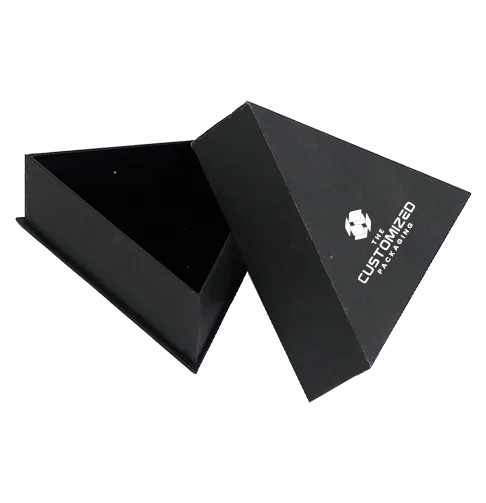
| Hexagon / triangle footprint | Closure alignment and stacking stability | Tuck-end or lid-and-base specialty carton |
| Heart / seasonal motif | Curve cutting, board waste, and lid fit | Two-piece or folding presentation carton |
| Product-outline / logo-led form | Recognizable silhouette vs packing efficiency | Die-cut sleeve, tray, or wraparound carton |
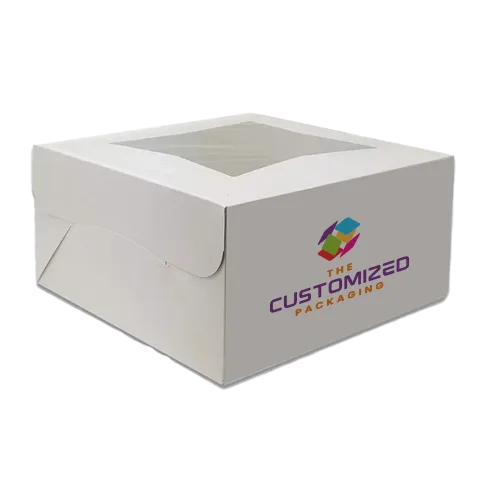
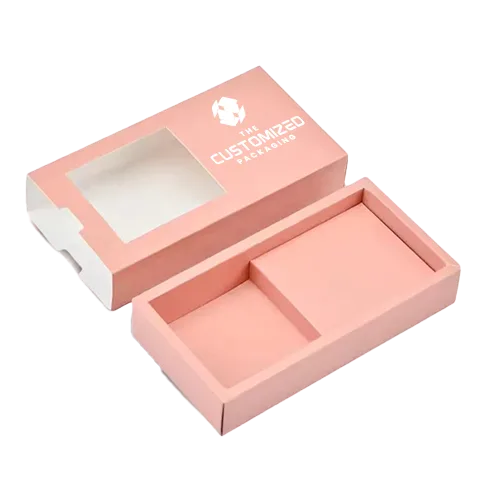
| Windowed specialty pack | Window placement without weakening critical folds | Folding carton with film or open aperture |
| Heavier kit / gift set | Weight, inserts, and transit protection | Rigid shell or corrugated specialty carrier |
Dielines, Structures, and Practical Limits
Most custom shape work starts with a dieline: the flat cutting and scoring plan that becomes the 3D carton. Die cutting, digital cutting, or a combination can produce the outline. Board selection should match packed weight and handling—folding carton for lighter retail packs, stronger board or corrugated construction when the shape carries more weight or needs mailer-level protection.
Common structures include specialty folding cartons, lid-and-base sets, rigid wrapped boxes, sleeves over trays, window cartons, and corrugated carriers. Closures may use tuck flaps, friction lids, magnetic wraps, ribbons, or interlocking tabs depending on the geometry. Inserts, platforms, and dividers often do more to protect the product than the outer silhouette alone.
| Product requirement | Structural consideration | Possible feature |
|---|---|---|
| Show the product on shelf | Keep critical folds away from the viewing area | Window or open aperture |
| Hold irregular items still | Outer shape alone may not restrain movement | Fitted insert, collar, or divider |
| Create a gift unboxing moment | Lid depth and reveal sequence | Two-piece lid, sleeve, or layered tray |
| Ship the specialty pack | Protruding points and weak corners need protection | Mailer-capable board or outer shipper |
| Print large brand panels | Angled faces change printable flat areas | Adjusted art zones on primary panels |
| Add carrying convenience | Handle cutouts must not tear at stress points | Reinforced handle or separate carrier |
| Feature | Purpose | Design limitation |
|---|---|---|
| Window | Product visibility | Can weaken panels if cut across fold lines |
| Insert / platform | Product positioning and cushioning | Adds height that the outer shape must cover |
| Divider | Separates kit components | Needs a footprint that fits the outline |
| Custom cutout | Logo, finger notch, or decorative aperture | Must leave enough board for strength |
| Handle | Carrying for gifts and kits | Not suitable on every thin specialty panel |
| Sleeve | Brand wrap over a tray or inner pack | Works best with a stable inner footprint |
- Describe the target outline and packed product dimensions before locking a dieline
- Separate “custom size on a standard carton” from “custom geometry that needs specialty cutting”
Materials, Printing, and Finishes
Typical materials include folding carton board, kraft board, and corrugated board for heavier or shippable specialty packs. Rigid wrapped constructions suit gift and presentation programs when the silhouette needs cleaner edges or thicker walls.
Printing can include CMYK, Pantone, digital, or offset methods on the outer panels that remain after the specialty cut. Foil, embossing, debossing, soft-touch, spot UV, and matte or gloss coatings may be applied where the board and geometry allow. Complex cut paths can reduce uninterrupted print area, so artwork should follow the approved dieline rather than a standard rectangular template.
What to Send for a Quote
Useful quote inputs include the intended shape or reference images, packed product length/width/height, weight, whether an insert or window is needed, preferred structure, board preference, print colors or artwork, quantity, and delivery location. If you already have a dieline or sample, share that for faster feasibility review.
For a preliminary estimate before final structural drawings, use the Custom Box Packaging Cost Calculator, then confirm fit with a prototype or packed sample when the outline is complex.
A custom shape box uses nonstandard geometry such as angled panels, polygonal footprints, motif outlines, or product-led cut paths rather than only changing the dimensions of a standard square or rectangular carton.
Custom size adjusts length, width, and height on a familiar carton style. Custom shape changes the structural outline or die-cut form. A taller rectangle is still a standard shape; a hexagon, heart, tapered, or product-outline carton is a custom shape project.
Common requests include angled and polygonal cartons, hexagon or triangle footprints, seasonal motifs, windowed specialty packs, and product-outline or logo-led forms. Final feasibility depends on board, folds, cutting method, packed weight, and shipping needs, so complex outlines are reviewed before production.
Yes, when the dieline leaves enough board strength. Inserts and dividers help hold irregular products; windows and cutouts can show the item or brand detail. Handle cutouts and deep apertures need extra review so stress points do not tear.
Share the target shape or reference images, packed product dimensions and weight, preferred structure, insert or window needs, board preference, print colors or artwork, quantity, and delivery location. A dieline or sample helps when the outline is complex.
Related Products


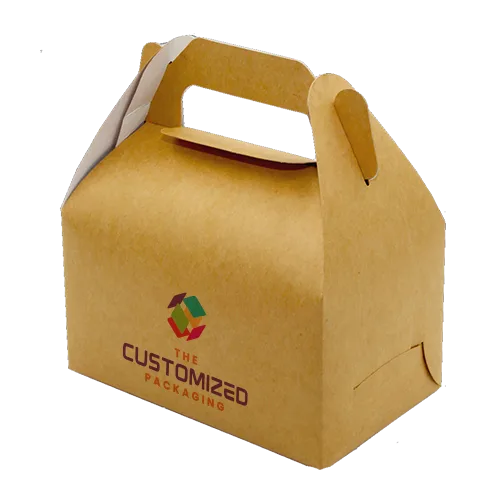
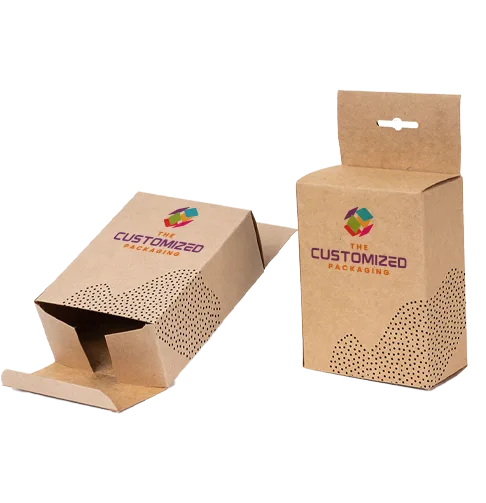
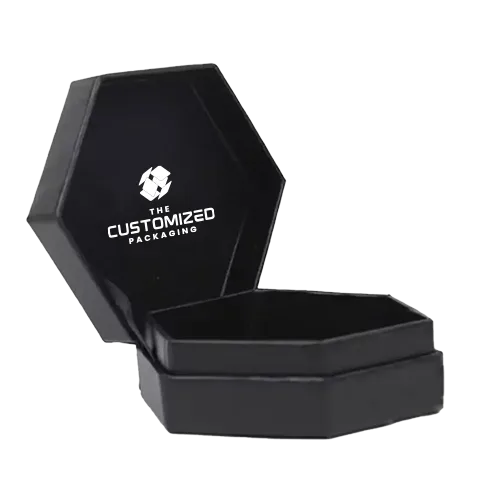
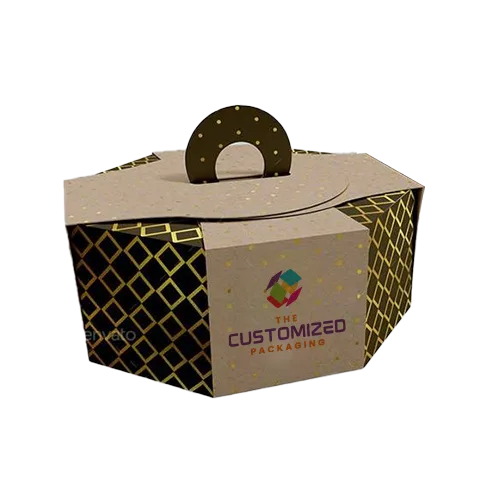


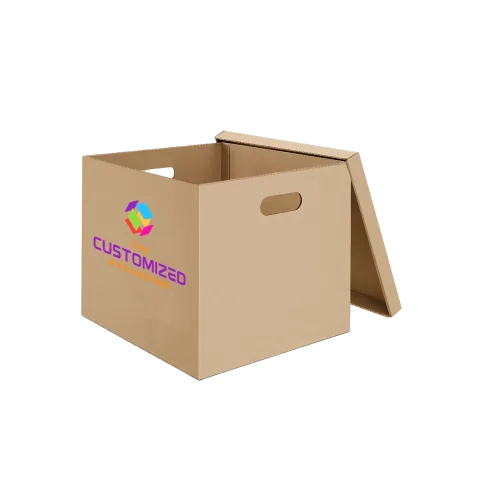

Order Custom Cardboard Shape Boxes from The Customized Packaging
We manufacture Custom Cardboard Shape Boxes for businesses that need reliable product protection, accurate printing, and professional packaging for retail, ecommerce, storage, or shipping. Each box can be customized by size, material, structure, printing, coatings, finishes, inserts, and order quantity.
Share your artwork and quantity targets for Custom Cardboard Shape Boxes and we will recommend the most cost-effective structure for your timeline. or speak with a packaging expert. Browse custom rigid boxes, packaging inserts, and use our Custom Box Packaging Cost Calculator.