Get custom packaging boxes in the USA with your logo, premium printing, wholesale pricing, and fast turnaround for apparel, retail, food, cosmetics, and more.

Place your orders now ! Eligible USA orders may be delivered in as fast as 7 business days after final approval. Place your order now! Enjoy a quick turnaround time.
Speak with a Packaging Expert
+1 (213) 712-8070
WhatsApp


Specification Available Options
Product Name Custom Belt Boxes
Primary Use Packaging, displaying, storing, gifting, and delivering belts
Size Fully customizable according to belt and buckle dimensions
Belt Position Rolled, folded, flat, wrapped around an insert, or compartmentalized
Capacity One belt or multiple belts
Paperboard Materials SBS paperboard, coated paperboard, recycled paperboard
Rigid Materials Greyboard, chipboard, paper-wrapped rigid board
Corrugated Materials E-flute, F-flute, B-flute, single-wall corrugated stock
Kraft Materials Natural kraft, white kraft, recycled kraft
Board Thickness Selected according to belt weight, buckle size, and box dimensions
Box Styles Two-piece, drawer and sleeve, magnetic closure, hinged lid, tuck-end, mailer-style, shoulder-neck
Insert Options Die-cut paperboard, circular support, buckle recess, folded platform, paper divider, molded pulp
Closure Options Separate lid, sleeve closure, magnetic flap, tuck flap, locking tabs
Printing CMYK, Pantone, digital, offset, screen printing
Logo Options Printed logo, foil logo, embossed logo, debossed logo, spot UV logo
Exterior Finishes Matte, gloss, soft-touch, aqueous coating
Decorative Finishes Foil stamping, spot UV, embossing, debossing
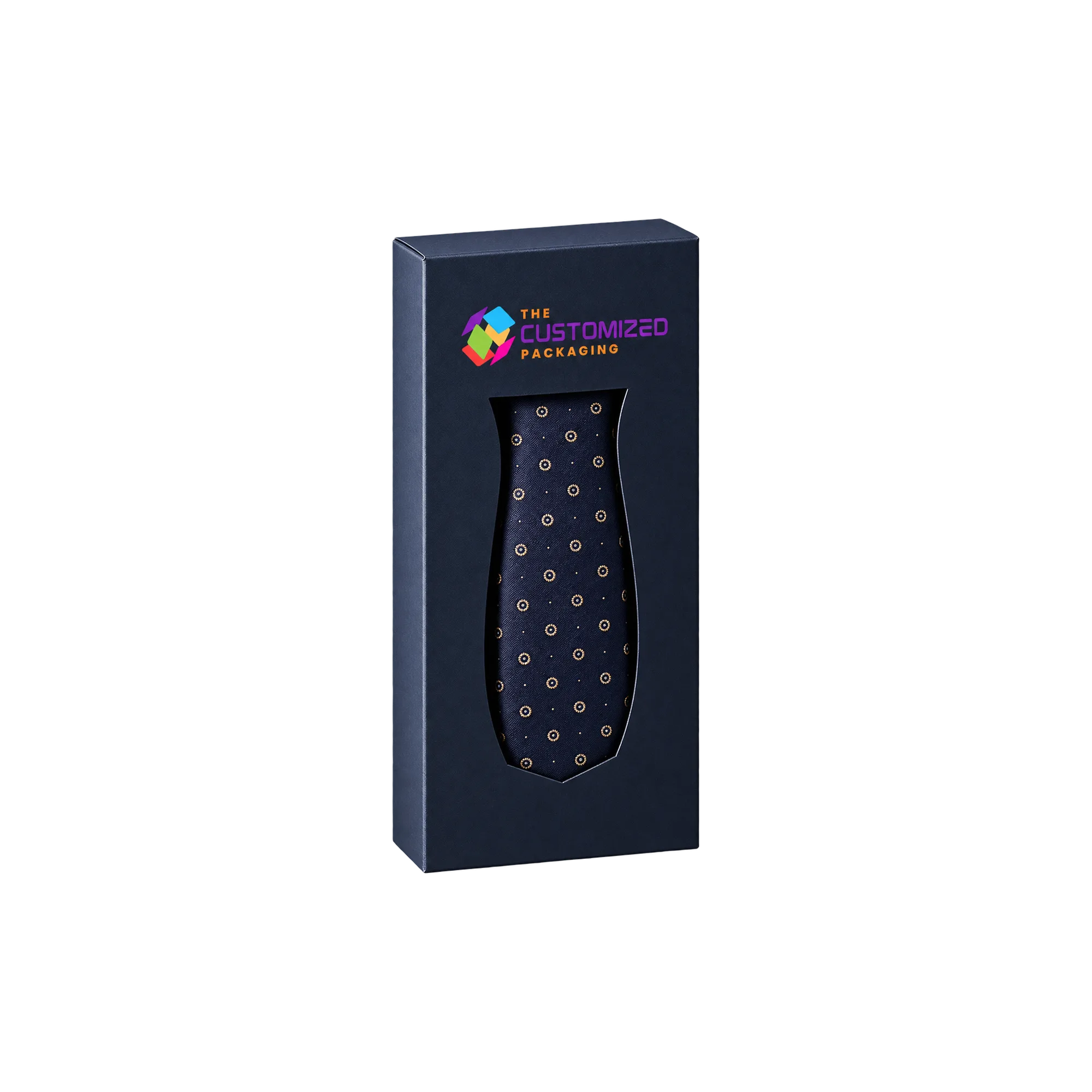
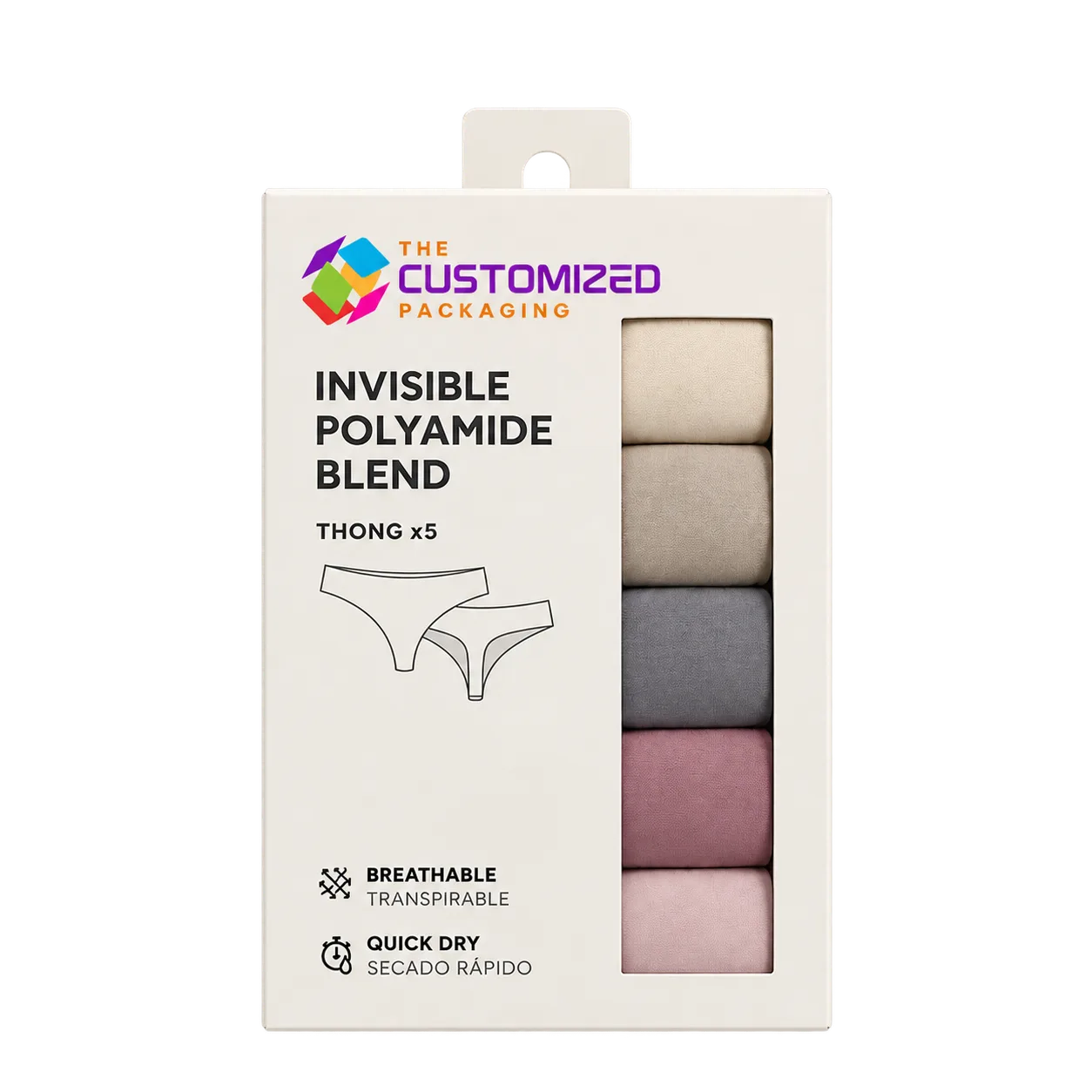
Window Options Custom die-cut window with or without clear protective film
Interior Printing Plain, single-color, full-color, patterns, messages, or instructions
Interior Accessories Tissue paper, wrapping sheets, ribbons, cards, stickers
Color Options Custom exterior and interior colors
Sustainability Options Recyclable stock, recycled content, FSC-certified paper, water-based coatings
Supply Format Flat-packed or pre-assembled depending on structure
Sample Options Structural sample, plain sample, digital sample, printed sample
Minimum Order Quantity Based on material, size, printing, structure, and finishes
Production Time Confirmed after size, material, artwork, and specifications are approved
Delivery Based on quantity, packaging format, destination, and shipping method


Custom Belt Boxes Designed for Secure Product Presentation

Custom Belt Boxes provide a protective and brand-focused packaging solution for displaying, storing, gifting, and delivering belts. Every box can be customized according to the belt’s folded or rolled dimensions, buckle shape, strap thickness, material type, and preferred presentation style.

Belts can include heavy metal buckles, delicate surface finishes, embossed leather, stitched edges, decorative hardware, and premium strap materials. Poorly fitted packaging can allow the belt to move, place pressure on the buckle, or create an unorganized presentation. A properly designed Custom Belt Box keeps the strap and buckle positioned securely while improving the customer’s opening experience.

The box size, board thickness, opening structure, printing, finishing, and insert design can all be adjusted around the actual belt. This creates packaging that supports product protection without adding excessive empty space.

What Are Custom Belt Boxes?

Custom Belt Boxes are purpose-built boxes manufactured to hold one belt or a coordinated belt set. The belt may be placed flat, folded into sections, rolled into a circular position, or wrapped around a shaped insert.

Unlike standard packaging with fixed dimensions, custom belt packaging is created according to the exact product measurements. This allows the internal space to account for the buckle height, strap width, belt thickness, decorative features, and presentation accessories.

The exterior can display the brand logo, product information, belt size, collection name, care instructions, patterns, and custom colors. The interior can also include printed messages, fitted supports, protective wrapping, and branded inserts.

Why Proper Belt Box Sizing Matters

The correct dimensions help prevent the buckle and strap from moving during storage or transportation. They also improve the overall presentation by keeping the belt positioned as intended.

Before deciding the box dimensions, determine how the belt will be arranged inside. A rolled belt generally requires a square or circular internal space, while a folded belt may need a longer rectangular box. The buckle must be measured separately because it is often wider and thicker than the strap.

Properly sized Custom Belt Boxes can help:

  • Keep the belt strap arranged neatly.

  • Prevent excessive movement around the buckle.

  • Protect polished or decorated buckle surfaces.

  • Reduce unnecessary empty packaging space.

  • Maintain a consistent presentation across belt sizes.

  • Support safer handling and transportation.

  • Improve the perceived value of the belt.

Materials for Custom Belt Boxes

The material should be selected according to the belt’s weight, buckle size, required protection, opening style, printing requirements, and intended presentation.

Belt Box Material Recommended Application Main Benefits Important Considerations
Rigid Board Premium belts and high-end presentation Strong shape, premium appearance, supports magnetic and drawer styles Usually supplied assembled and requires more storage space
SBS Paperboard Lightweight retail presentation Smooth printing surface, clean folds, supports detailed artwork Thickness should match the weight of the belt and buckle
Corrugated Board Belt boxes requiring additional shipping strength Compression resistance, durable walls, improved transit protection Flute type affects thickness and print appearance
Natural Kraft Minimal and natural-looking belt packaging Recyclable paper appearance, suitable for simple branding Colors may print differently on brown stock
White Kraft Brighter printed belt box designs Clean surface with a kraft-based structure Board strength should be tested with the actual belt
Recycled Paperboard Paper-based retail presentation Recycled-content options and customizable printing Must be selected in a suitable thickness

Rigid Board Belt Boxes

Rigid board is suitable for Custom Belt Boxes requiring a premium appearance and a strong, non-collapsible structure. It can support heavy buckles and provide a controlled opening experience.

The board can be wrapped with printed paper, solid-colored paper, textured stock, soft-touch paper, or specialty coverings. Rigid belt boxes can also include concealed magnets, ribbon pulls, separate lids, shoulder-neck structures, and fitted internal supports.

Paperboard Belt Boxes

Paperboard provides a smooth surface for logo printing, brand colors, patterns, product information, and promotional graphics. It can be supplied flat and assembled during the packing process.

The thickness should be selected according to the weight of the belt and buckle. Reinforced bottoms, locking tabs, or folded support panels may be added when additional strength is required.

Corrugated Belt Boxes

Corrugated stock includes a fluted layer between paper liners, giving the box additional strength and resistance to pressure. It is suitable when the belt box must withstand handling and transportation.

E-flute and F-flute can provide a thinner structure with a relatively smooth printing surface. B-flute may be considered when more cushioning or structural strength is needed.

Kraft Belt Boxes

Kraft material offers a simple paper-based appearance and can be customized with printed logos, patterns, instructions, and belt information. Natural brown kraft is suitable for minimal designs, while white kraft provides a brighter background for detailed printing.

Custom Belt Box Styles

The box structure determines how the belt is placed, revealed, protected, and removed. The selected style should complement the belt’s presentation position and buckle size.

Belt Box Style Opening Structure Best Presentation Method Available Features
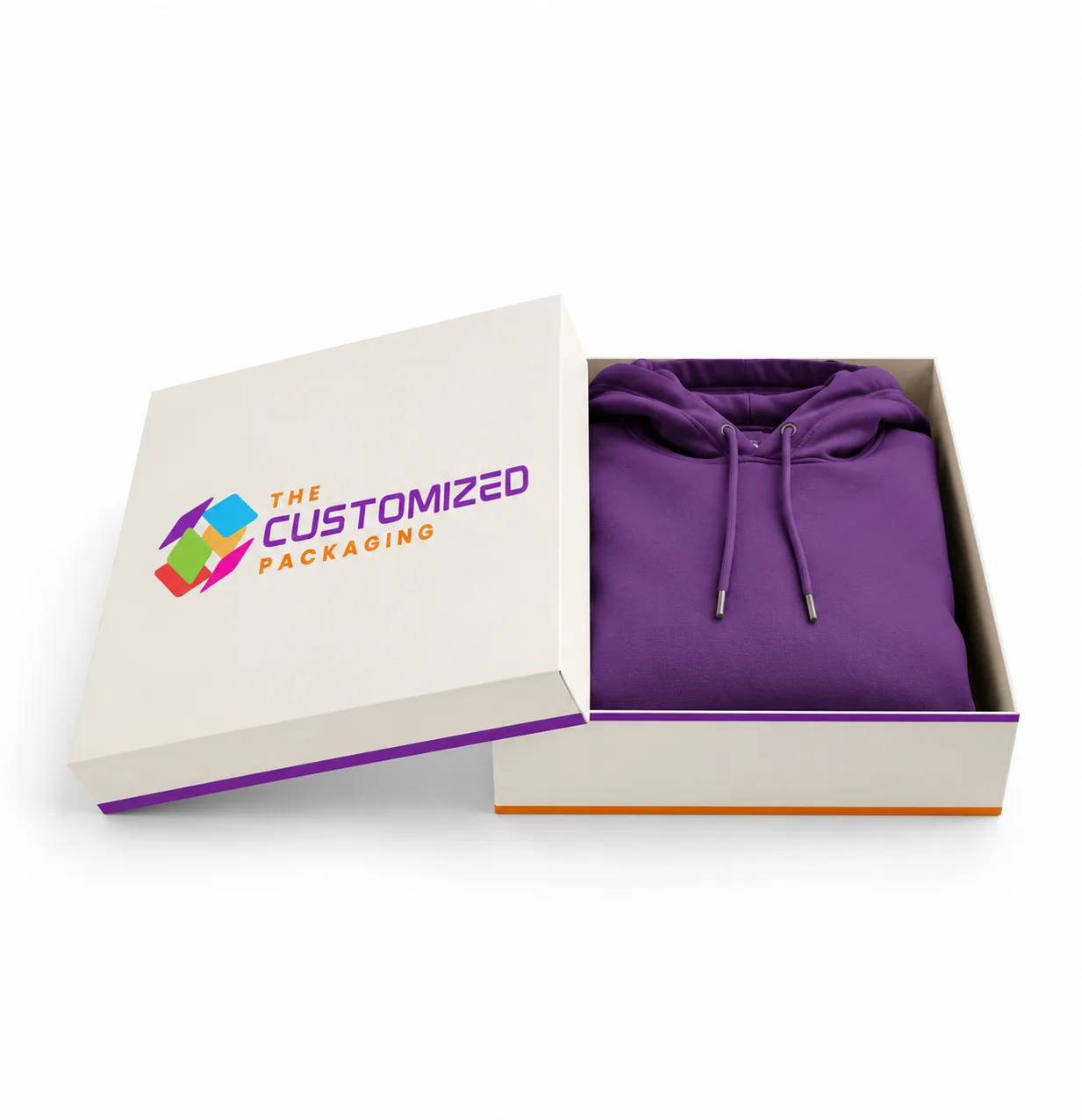
Two-Piece Lid and Base Separate lid placed over the base Rolled or folded belt presentation Custom insert, tissue paper, contrasting lid and base
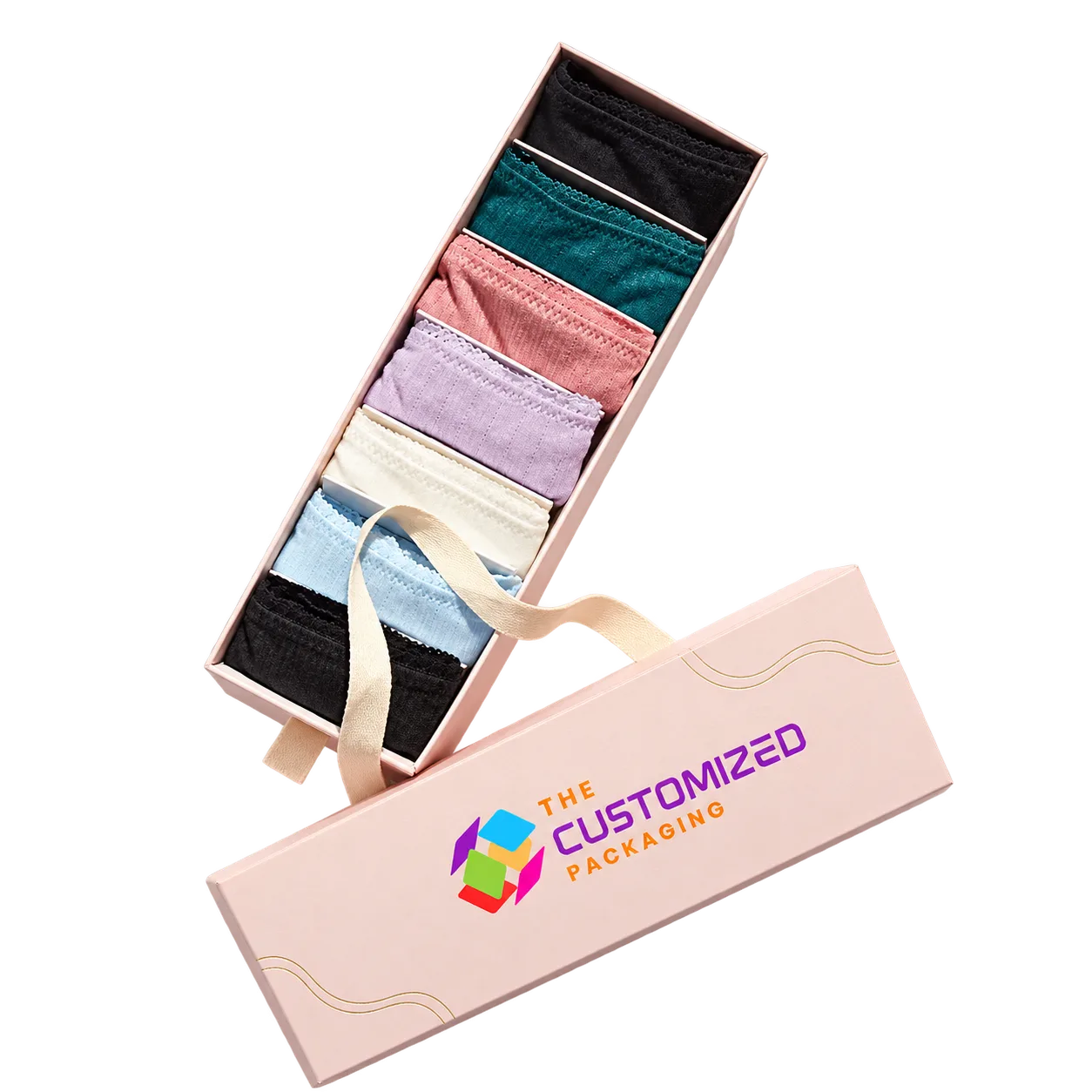
Drawer and Sleeve Inner tray slides from an outer sleeve Controlled belt reveal Ribbon pull, thumb notch, printed sleeve, fitted tray
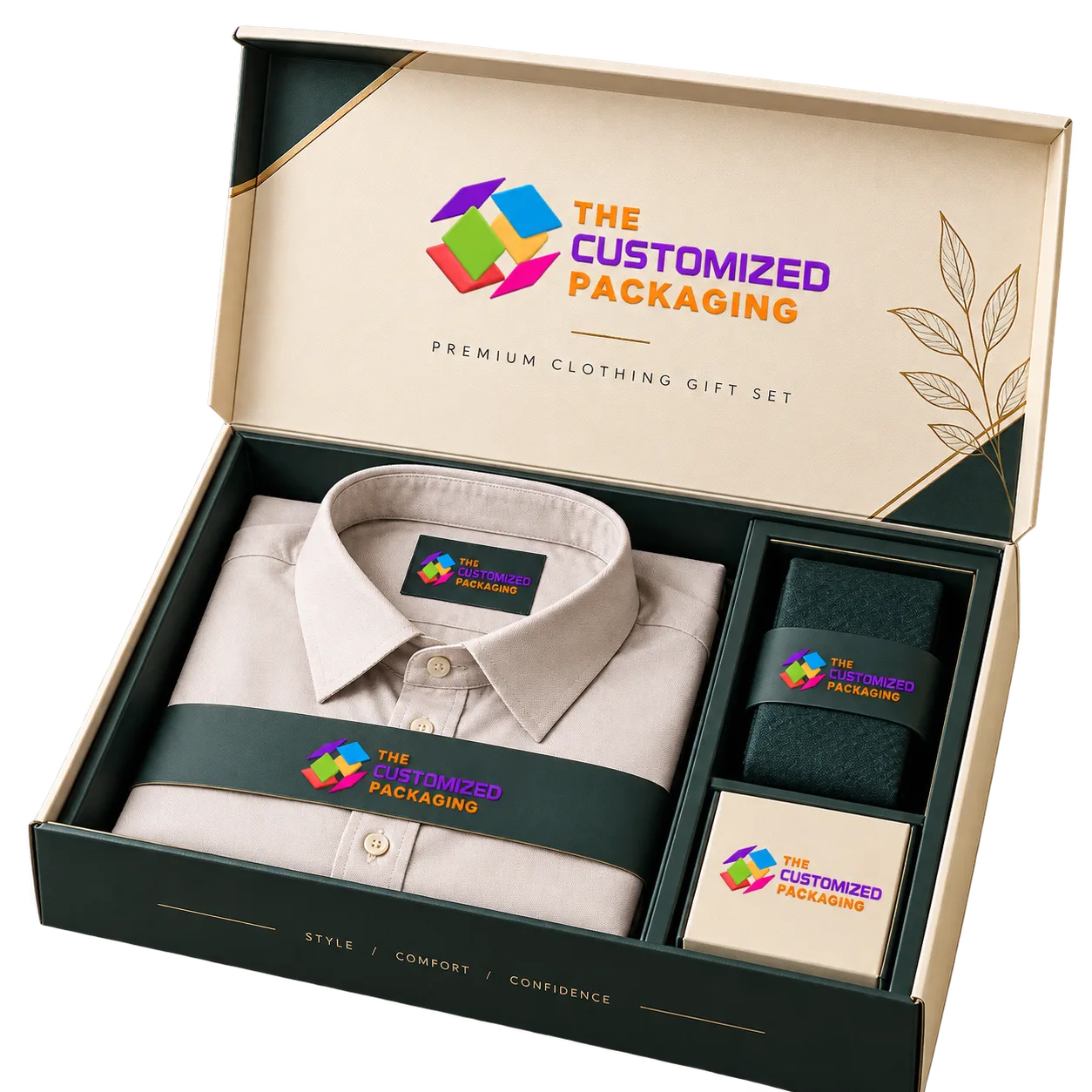
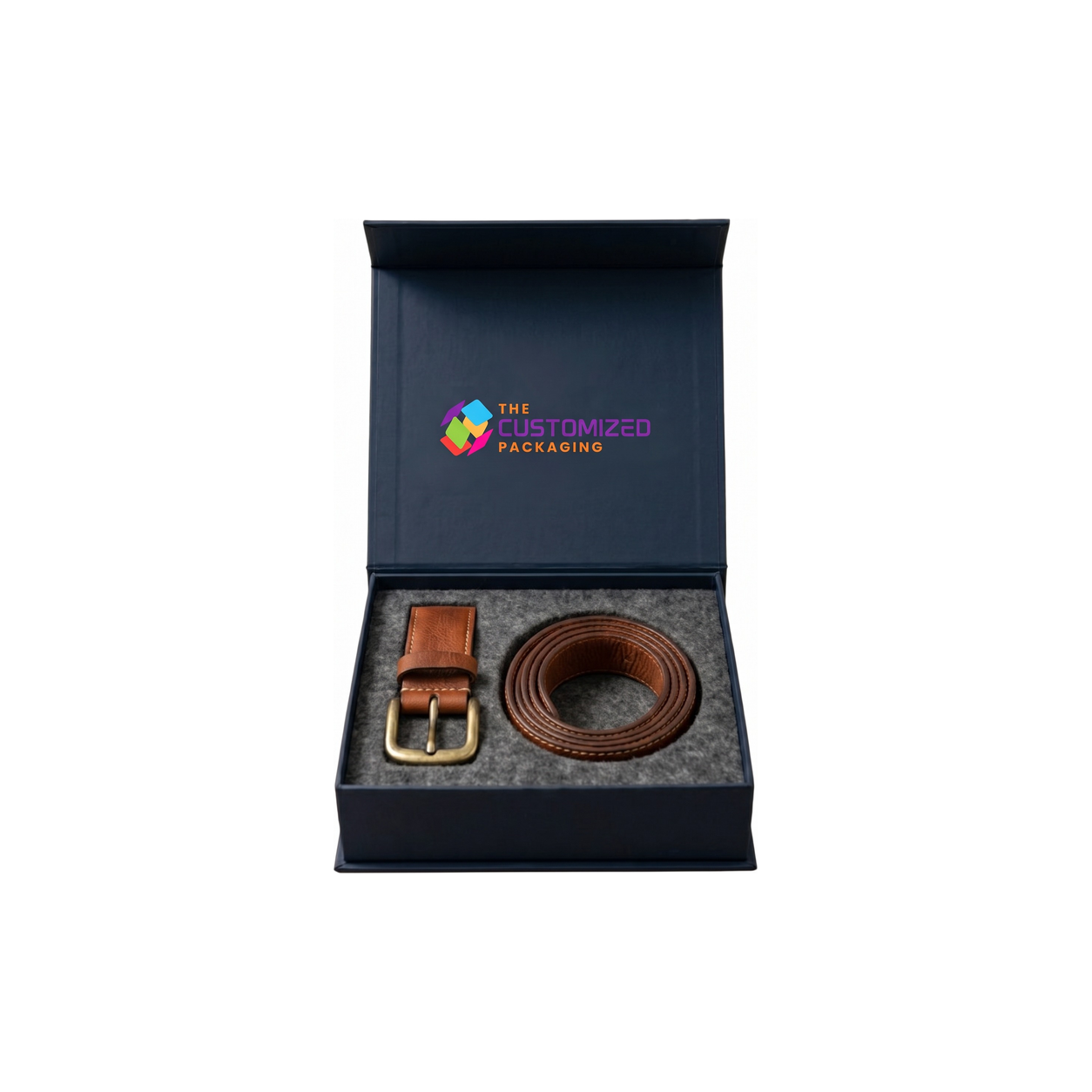
Magnetic Closure Hinged lid secured with concealed magnets Premium belt presentation Interior printing, ribbon lift, foil logo, fitted insert
Hinged Lid Box Attached lid opens from one side Organized flat or rolled display Support insert, printed inside lid, secure closing panel
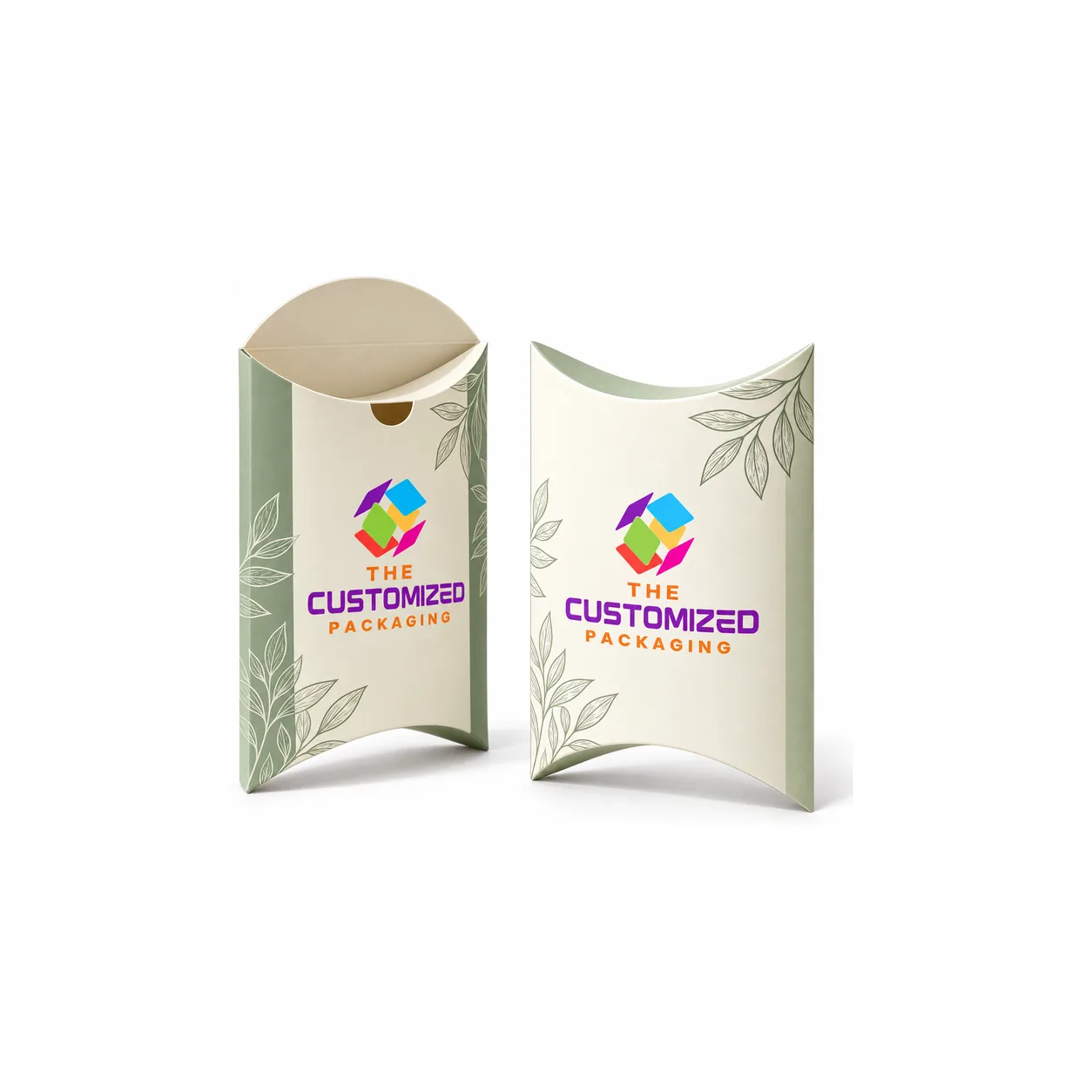
Tuck-End Box Folding flaps close the box Lightweight retail presentation Straight tuck, reverse tuck, locking bottom, window
Mailer-Style Box Attached lid with folded side panels Secure delivery and branded opening Locking tabs, inside printing, protective support
Shoulder-Neck Box Inner neck connects the lid and base Structured premium presentation Contrasting neck, decorative wrap, deep base
Window Belt Box Die-cut opening in the lid or front panel Visible belt or buckle display Clear film, custom window shape, reinforced borders

Two-Piece Belt Boxes

A two-piece belt box includes a separate lid and base. The belt is arranged inside the bottom section before the lid is placed over it.

The belt may be rolled around a central support or folded into a rectangular insert. The lid can fully cover the base or use a shorter depth to reveal part of the lower section. Different colors can be used for the lid and base to create visual contrast.

Drawer-Style Belt Boxes

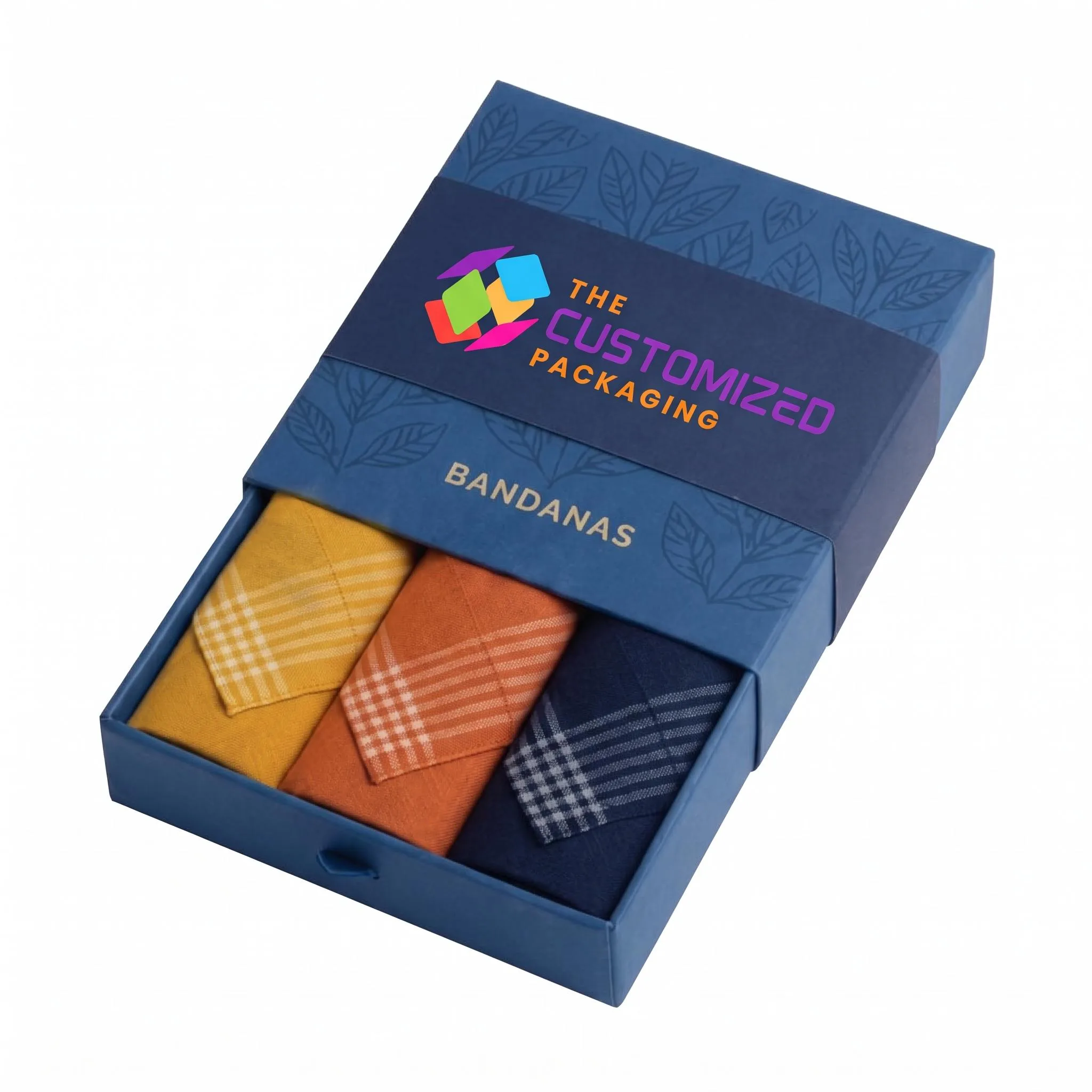
Drawer Custom Belt Boxes use an inner tray that slides from an outer sleeve. This structure creates a gradual product reveal while keeping the belt securely contained.

The drawer can include a ribbon pull, paper tab, finger cutout, or thumb notch. A fitted insert can hold the rolled strap while a separate recessed area supports the buckle.

Magnetic Closure Belt Boxes

Magnetic closure boxes are generally manufactured from rigid board. Concealed magnets inside the closing panel help keep the box securely shut without visible tabs.

The interior can include a shaped belt insert, buckle support, ribbon lift, printed message, or protective lining. Foil stamping, embossing, debossing, spot UV, and soft-touch finishes can be applied to the exterior.

Tuck-End Belt Boxes

Tuck-end structures are made from folding paperboard with flaps that close into the box body. They can be supplied flat to reduce storage space before assembly.

The bottom can be reinforced when the buckle is heavy. Straight tuck, reverse tuck, and locking-bottom constructions can be selected according to the required strength and opening direction.

Mailer-Style Belt Boxes

Mailer-style belt boxes have an attached lid with folded side panels and locking tabs. This structure offers additional protection while creating a clean opening experience.

The outside can display the primary branding, while the inside lid can include belt care information, a brand message, sizing details, or instructions.

Belt Insert and Support Options

The internal insert is one of the most important parts of a Custom Belt Box. It keeps the belt arranged in the intended position and helps protect the buckle.

Insert Type Belt Position Main Function
Circular Paper Insert Rolled belt Holds the strap in a consistent circular shape
Die-Cut Cardboard Insert Folded or rolled belt Prevents movement and supports the buckle
Buckle Recess Insert Belt with a large or heavy buckle Creates a separate fitted area for the buckle
Folded Paper Platform Flat belt presentation Raises the belt and creates a cleaner display
Wrapped Card Insert Belt wrapped around a central support Maintains spacing and prevents strap movement
Ribbon Support Rolled or folded belt Helps lift the belt from the box
Molded Pulp Insert Structured paper-based presentation Holds the belt and buckle in shaped compartments
Paperboard Divider Multiple belts in one box Separates each belt and reduces contact

Insert dimensions should be developed according to the actual belt and buckle. A buckle that is too tightly fitted may experience surface pressure, while a loose insert may allow the product to move.

Custom Belt Boxes with Logo Printing

Logo printing helps connect the packaging directly with the belt brand. Branding can be applied to the lid, base, sleeve, drawer, interior panel, side wall, or closing flap.

Available printed elements may include:

  • Brand logo.

  • Belt collection name.

  • Product size.

  • Strap material information.

  • Belt care guidance.

  • Custom patterns.

  • Campaign artwork.

  • QR codes.

  • Website details.

  • Interior messages.

  • Limited-release numbering.

  • Color or style identification.

  • CMYK printing can be used for multicolor graphics and detailed artwork. Pantone printing is suitable when a specific solid brand color must remain consistent. Digital and offset printing can be selected according to the material, quantity, and artwork requirements.

    Printing Methods for Belt Packaging

    Printing Method Suitable Designs Main Advantage
    CMYK Printing Multicolor graphics, patterns, gradients, and photographs Supports detailed full-color designs
    Pantone Printing Solid logo colors and brand-specific shades Improves consistency of selected colors
    Offset Printing Detailed artwork and larger production quantities Clean and consistent print reproduction
    Digital Printing Samples and selected lower quantities Flexible setup and detailed artwork
    Screen Printing Bold logos and limited-color designs Strong coverage for simple branding
    Interior Printing Messages, patterns, care details, and logos Continues the brand experience after opening

    Premium Finishes for Custom Belt Boxes

    Finishing treatments can enhance the visual and tactile presentation of belt packaging.

    Matte Lamination

    Matte lamination creates a smooth, non-reflective surface. It works well with subtle branding and premium box designs.

    Gloss Lamination

    Gloss lamination adds shine and makes printed colors appear brighter. It also provides a protective layer over the printed surface.

    Soft-Touch Lamination

    Soft-touch lamination gives the box a smooth and velvet-like texture. It is suitable for rigid Custom Belt Boxes requiring a premium tactile experience.

    Foil Stamping

    Foil stamping applies metallic or pigmented detail to the logo, collection name, border, or selected artwork. Gold, silver, copper, holographic, and custom foil shades may be used.

    Spot UV

    Spot UV creates a glossy contrast on selected areas of the design. It can be used to highlight the brand logo, buckle illustration, pattern, or product name.

    Embossing and Debossing

    Embossing raises the selected design from the surface, while debossing presses it inward. Both options can give the logo a more dimensional appearance.

    Custom Belt Boxes with Windows

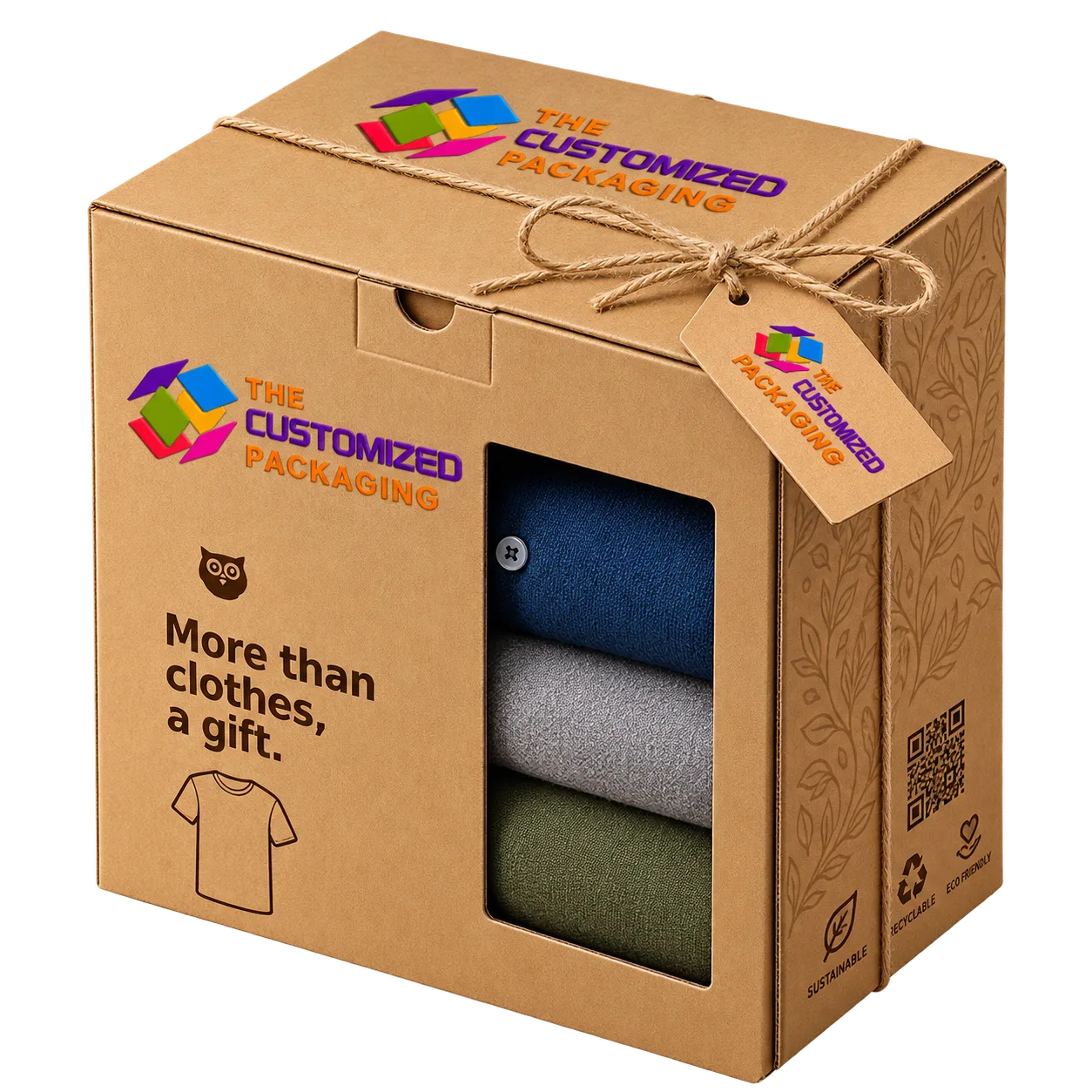
    A die-cut window can be added when the belt, buckle, texture, or color needs to remain visible without opening the box.

    The window can be placed on the lid, front panel, sleeve, or side wall. It may follow a rectangular, circular, geometric, logo-inspired, or fully custom shape. A clear protective film can be added behind the opening when required.

    The window size should not weaken the box structure. Reinforced borders and an appropriate board thickness can help maintain strength.

    Sizing Custom Belt Boxes

    The final dimensions should be based on how the belt will be positioned inside the box. Measurements should include the belt arrangement, buckle height, strap thickness, insert depth, and required clearance.

    Important measurements include:

    • Rolled belt diameter.

    • Folded belt length and width.

    • Strap width.

    • Strap thickness.

    • Buckle length and width.

    • Buckle height.

    • Insert thickness.

    • Number of belts per box.

    • Space required for cards or wrapping.

    • Clearance needed for easy removal.

    The box should provide enough space to prevent compression without allowing excessive movement.

    Packaging Belts with Large Buckles

    Belts with large, heavy, engraved, or decorative buckles require additional support. The buckle may need a separate recessed compartment to prevent it from touching the strap or box walls.

    Protective paper, soft wrapping material, or a shaped paperboard insert can be placed around the buckle. The box base may also need additional reinforcement to support the weight.

    Testing the actual belt inside a structural sample is recommended before full production.

    Single and Multiple Belt Boxes

    Custom Belt Boxes can be designed to hold one belt or multiple belts. A single-belt box can use a fitted insert that displays the buckle and strap as one complete presentation.

    A multiple-belt box may include separate compartments, dividers, individual paper supports, or layered trays. The combined weight and buckle placement should be considered when selecting the board thickness and box structure.

    Flat-Packed and Pre-Assembled Belt Boxes

    Paperboard, kraft, and selected corrugated belt boxes can be supplied flat. Flat-packed boxes require less storage space and can be assembled when needed.

    Traditional rigid belt boxes are usually supplied pre-assembled because their strong structure does not collapse. Collapsible rigid options can also be considered when reduced storage space is required.

    The best format depends on the box structure, order quantity, packing process, available storage space, and required presentation.

    Estimate the Cost of Custom Belt Boxes

    The price of Custom Belt Boxes depends on the finished dimensions, material, board thickness, box style, printing coverage, finishes, insert design, quantity, supply format, and delivery destination.

    Rigid magnetic boxes with fitted inserts generally involve more materials and production steps than flat-packed paperboard belt boxes. Foil stamping, embossing, spot UV, interior printing, specialty paper, windows, and custom inserts can also affect the final cost.

    Larger production quantities may reduce the average price per box because setup costs are distributed across more units. Accurate belt and buckle measurements should be provided before requesting pricing.

    For a more accurate quotation, prepare:

    • Belt dimensions.

    • Buckle dimensions.

    • Preferred belt position.

    • Required box quantity.

    • Selected material.

    • Preferred opening style.

    • Insert requirements.

    • Exterior printing details.

    • Interior printing details.

    • Finishing preferences.

    • Delivery destination.

    Create Custom Belt Boxes Around the Actual Product

    Custom Belt Boxes should be designed around the belt rather than forcing the product into a standard box size. The right combination of dimensions, material, insert, opening style, printing, and finishing can protect the strap and buckle while creating a more professional presentation.

    By testing the actual belt and selecting a structure suited to its weight and display position, the final packaging can provide reliable protection, organized placement, and a consistent branded experience.

    A belt can be packaged in either a rolled or folded position. Rolled presentation is often selected for leather belts because it keeps the strap arranged in a compact circular shape. A circular paperboard insert can be added to maintain the roll and prevent the belt from opening inside the box. Folded presentation may be used when a longer rectangular box or a flat display arrangement is preferred.

    Arrange the belt exactly as it will be presented, then measure its total length, width, and height in that position. For a rolled belt, measure the complete roll diameter and thickness. The buckle length, width, and height must be measured separately because it may require additional depth or a dedicated compartment. Space for the insert and removal clearance should also be included.

    Yes. A die-cut paperboard insert, molded pulp support, or recessed buckle compartment can be designed around the buckle’s dimensions. The support keeps the buckle from moving and prevents it from pressing directly against the belt strap. Heavy buckles may also require a reinforced box base and thicker board material.

    A circular paperboard support or die-cut wrapped insert is suitable for keeping a rolled leather belt in position. The insert can include a separate opening for the buckle and small locking areas for the strap. The final insert design should be tested with the actual belt to avoid excessive pressure on the leather surface.

    Yes. The box can be divided into two fitted sections: one for the rolled or folded belt strap and another for the removable buckle. A paperboard divider, recessed compartment, or shaped insert can prevent the two components from touching during storage and transportation.

    Order Custom Belt Boxes from Custom Packaging Boxes USA | Custom Boxes | TCP

    We produce Custom Belt Boxes for Apparel & Fashion programs with consistent print quality, structural accuracy, and packaging that supports ecommerce shipping and retail presentation. Share your dieline or product dimensions and our team will confirm board stock, coatings, and MOQ options for your schedule.

    Share your artwork and quantity targets for Custom Belt Boxes and we will recommend the most cost-effective structure for your timeline. or speak with a packaging expert.