
| Specification | Available Options |
|---|---|
| Product Type | Custom transparent or clear Mylar-style flexible pouches |
| Applications | Retail visibility packs, samples, accessories, display-led products |
| Structure | Flexible pouch, not a rigid box |
| Formats | Flat pouch, stand-up gusset, header and hang styles as quoted |
| Film | Clear multilayer laminates; gauge selected for fill and handling |
| Closures | Heat seal, zipper or press track, tear notch as specified |
| Display Features | Hang holes, headers, clear front with printed reverse |
| Printing | Logo and panel printing with reserved transparent areas |
| Sizing Inputs | Product length, width, height, fill volume, and seal allowance |
| Food Contact | Material suitability requires review for the intended product and contact conditions |
| Related Styles | Window Mylar, stand-up Mylar, and ziplock Mylar bags |
| Quote Requirements | Photos, fill weight, closure preference, film requirements, print coverage |
Clear Flexible Pouches Built for Product Visibility
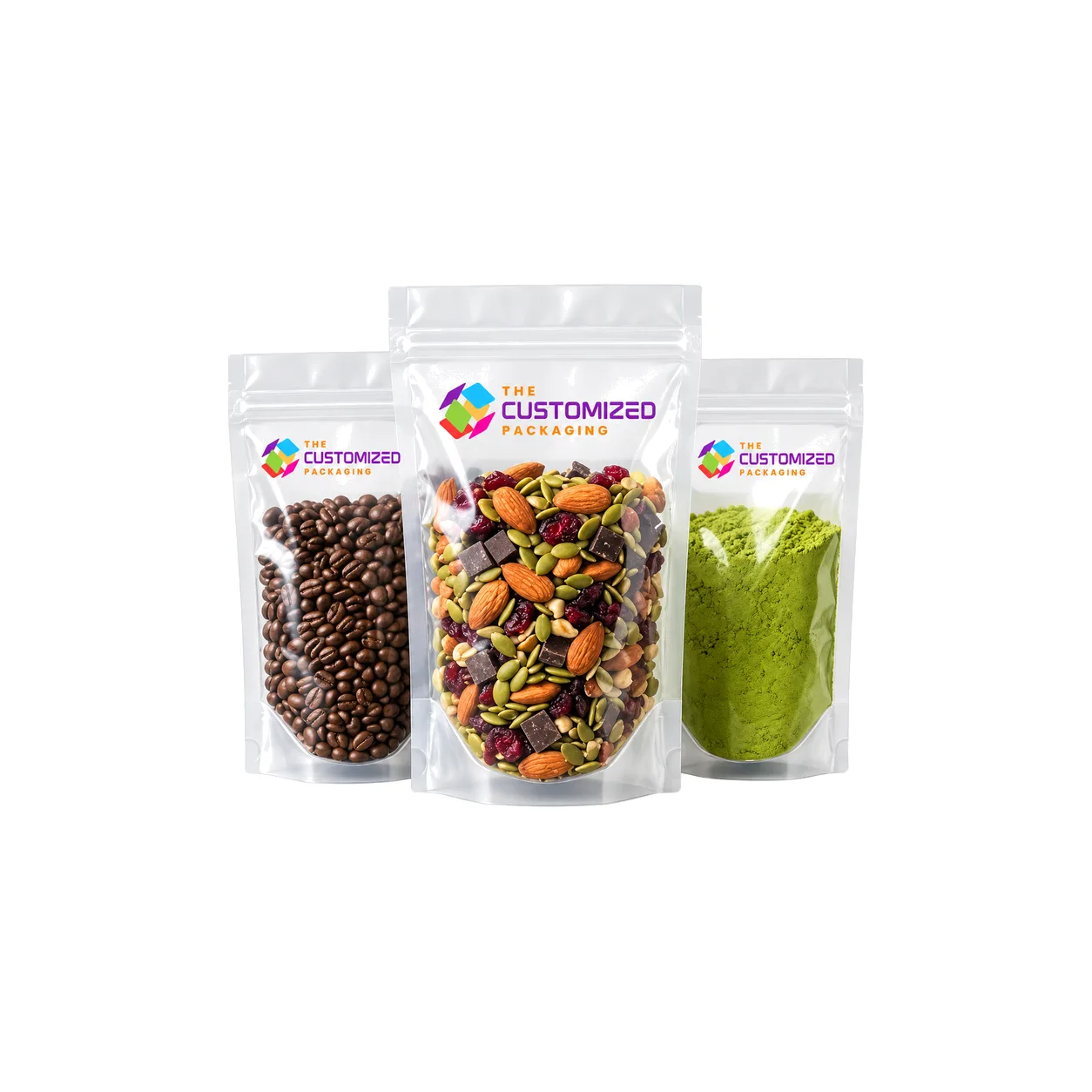
Custom Transparent Mylar Bags give brands a see-through pouch when the product itself is the sales argument. Clear or high-clarity film shows color, texture, fill height, and finish that opaque kraft or fully printed sleeves would hide. Buyers use these bags for retail peg hooks, counter displays, sample kits, accessories, confectionery where allowed by their own compliance path, craft goods, and promotional sets that need fast recognition on the shelf.
Treat the structure as a flexible bag program, not a rigid carton. Wall stiffness comes from film gauge and laminate layers, not paperboard panels. If you need a hard shell for stacking or gift unboxing, quote a carton separately and use the clear bag as the inner or outer flexible layer only when that pack architecture is intentional.
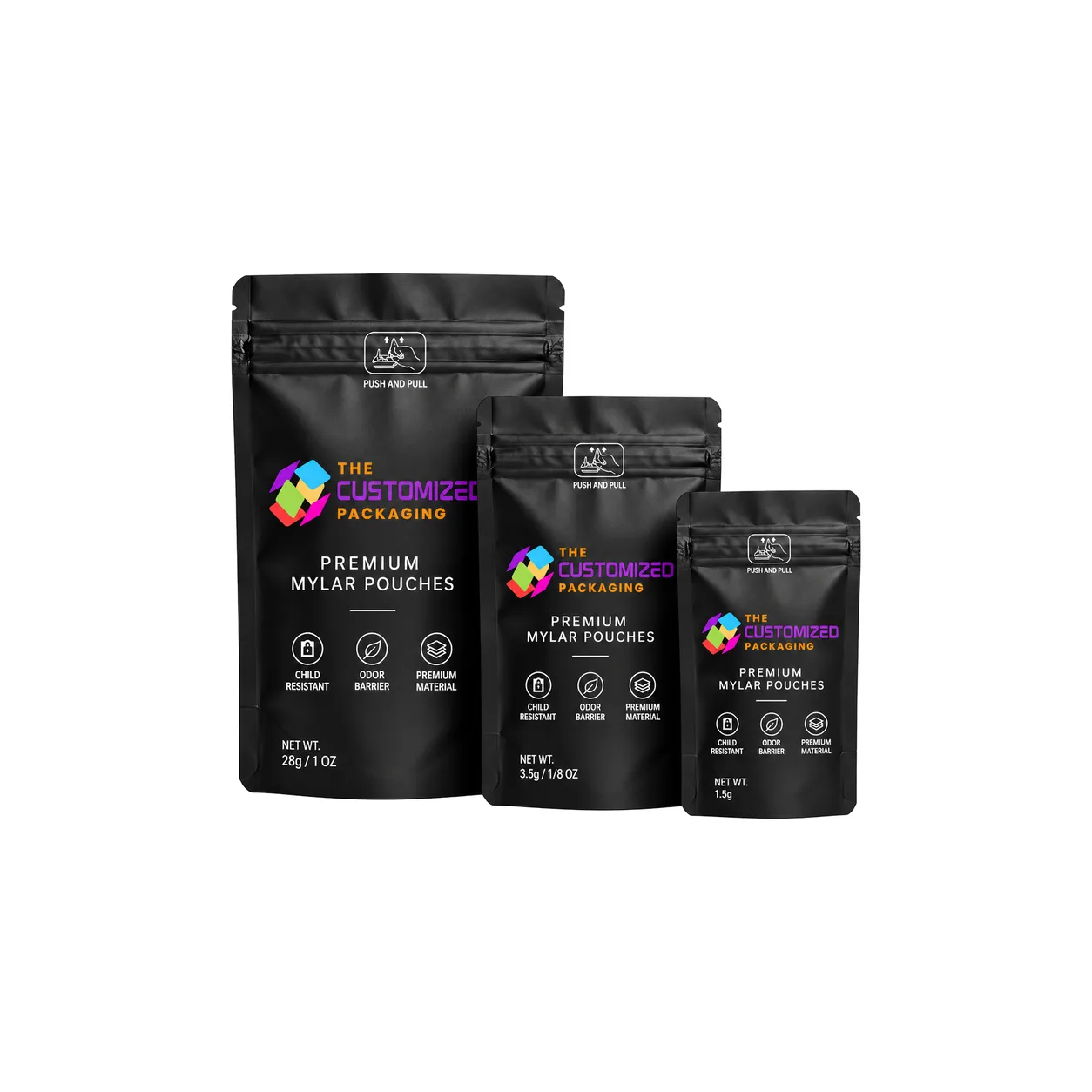
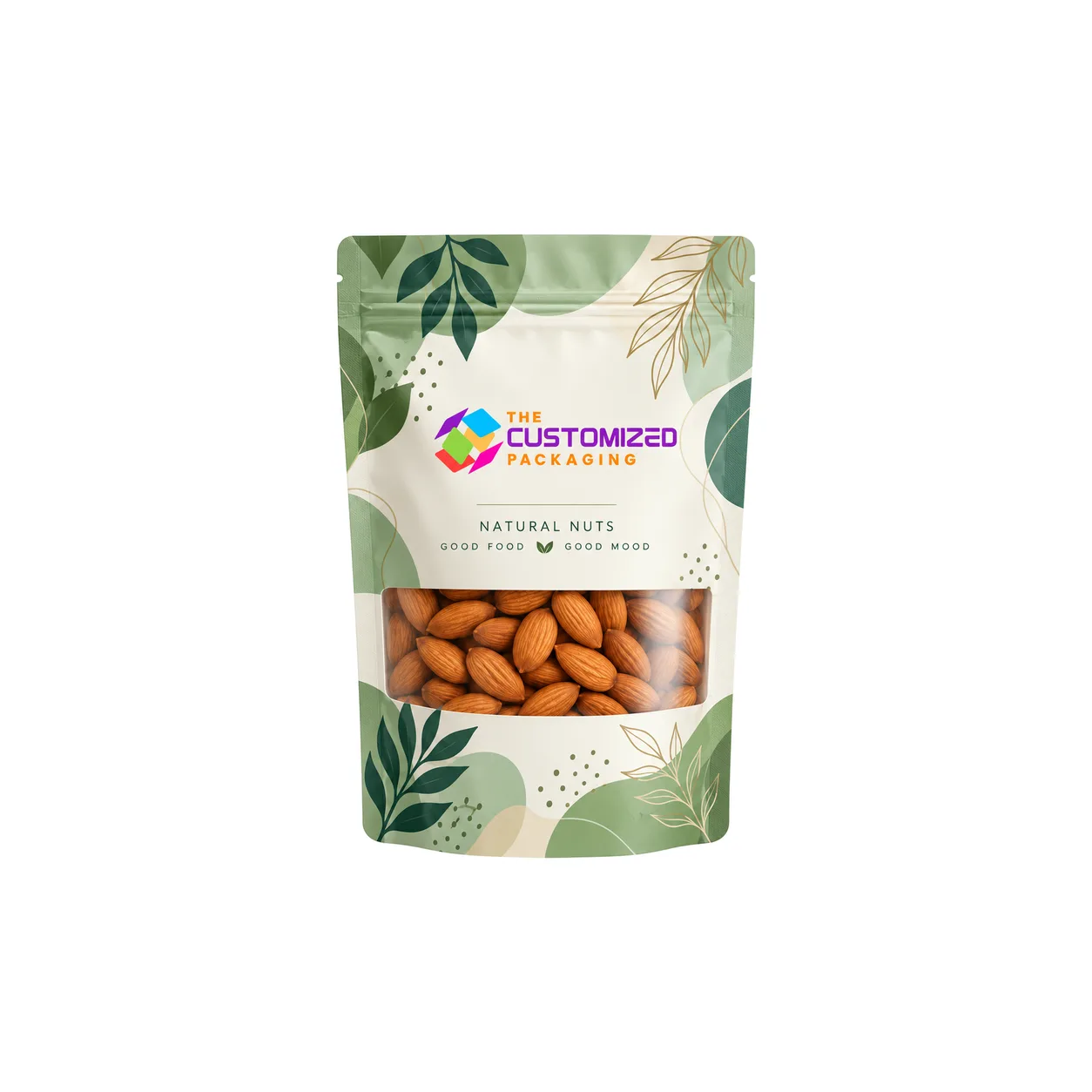
Close cousins on the same film family include Custom Mylar Bags with Window when only a die-cut clear panel is required, and Custom Standup Mylar Bags when a gusseted base must stand on a shelf. Transparent programs prioritize full or near-full clarity rather than a small window in an otherwise opaque face.
Film Layers, Clarity, and Barrier Choices
Mylar-style pouches are typically multi-layer laminates. Clarity, puncture resistance, and moisture behavior depend on the film stack you approve, not on a single generic sheet. Thicker gauges feel more substantial in hand and resist crease whitening better on larger fills. Thinner gauges suit light accessories and low-weight retail packs where freight and material cost matter.
Ask for retained specs on haze, seal strength, and any barrier layer when reorders must match an approved sample. Metallized or heavily pigmented faces increase opacity and are the wrong path when the brief is transparent. Matte clear and gloss clear read differently under store lighting, so approve film under the lighting you actually use.
- Record product length, width, height, and fill volume before locking pouch size.
- Decide flat pouch versus stand-up gusset based on shelf presentation.
- Confirm whether full clear, clear front with printed back, or clear with limited print zones is required.
- Note sharp edges, zippers on the product, or hardware that can stress film.
- State if a separate liner or vial is used so the bag is only secondary packaging.
| Presentation Goal | Bag Approach | Watch For |
|---|---|---|
| Full Product Show-Through | High-clarity transparent faces | Print coverage that blocks the view |
| Brand on Back, Product on Front | Clear front, printed reverse | Registration on clear areas |
| Shelf Stand Without Carton | Stand-up gusset clear pouch | Base width versus product height |
| Peg or Clip Display | Flat pouch with header or hang hole | Hole placement versus seal |
Closures, Seals, and Packing Options
Closure choice drives both shopper reclose behavior and packing line speed. Heat seals suit one-time open packs. Zipper or press-to-close tracks support reclose for multi-use contents when the film and zipper are specified together. Tear notches help first open without scissors. Hang holes and header cards belong in the dieline early so they do not collide with seals.
Do not assume every transparent pouch is a food-contact package. Food, cosmetic actives, and regulated goods need your own material review, possible liners, and documentation. TCP quotes construction and print from the brief you supply. State storage conditions, aroma sensitivity, and whether the bag is primary or secondary packaging.
| Closure | Best When | Buyer Note |
|---|---|---|
| Heat Seal Only | Single-use opening | Simple first seal |
| Zipper / Press Track | Reclose after first opening | Match zipper to film gauge |
| Tear Notch | Opening without tools | Keep notch clear of artwork |
| Hang Hole / Header | Peg retail display | Balance hole position with fill weight |
Custom Printing That Keeps the Product Visible
Transparent bags still support logos, regulatory panels, and usage copy. The goal is to leave clear sightlines. Place dense graphics on the reverse, side seals, or a defined footer while keeping the product silhouette visible. White underlay may be needed under brand colors so ink does not look washed out on clear film. Soft-touch or spot effects are secondary to clarity and seal integrity.
For zipper bags that shoppers open repeatedly, keep critical warnings above the track or on a card insert so abrasion does not erase them. Related zip formats such as Custom Mylar Ziplock Bags share closure logic when reclose is the priority over full transparent faces.
Get a Quote for Custom Transparent Mylar Bags
Send product dimensions, target fill weight, pouch style, preferred clarity, closure type, hang or header needs, print coverage map, and whether the bag is primary packaging. Photos of current packs help avoid undersized seals and print that covers the product view.
When an outer carton or mailer is part of the same order, size that carton after the filled pouch thickness is known. Use the custom box packaging cost calculator only for the rigid or corrugated outer estimate, then refine pouch tooling separately. Approve a filled sample under store light before locking volume film and ink.
Reorder notes should retain film gauge, zipper specification if used, and clear-zone artwork masks so later lots do not slowly add print that hides the product. If seasonal designs change, keep the pouch blank size stable and adjust only printing when possible.
Packaging teams should also note scent transfer and oil migration when the product is aromatic or oily. A transparent face that looks perfect empty can haze or stain after weeks of contact if the film stack is wrong for that fill. Call those risks out early so trials include aged samples, not only day-one photos.
For retail planograms, measure peg spacing and shelf lip height before locking hang holes and stand-up base widths. A pouch that tips forward or crowds neighboring products will get moved by store staff regardless of how clear the film is. Align structural choices with the fixture, then refine print.
When multiple clear SKUs share one brand family, keep seal geometry and zipper placement consistent so packing instructions stay identical even when print changes. Consistency across the family reduces training time and lowers the chance that a new seasonal SKU arrives with a different closure.
They are clear flexible pouches for packs where shoppers should see the product on a shelf, peg, or counter. Common uses include accessories, samples, and retail visibility programs. They are bags, not rigid boxes.
Transparent programs keep large clear faces so most of the product shows. Window Mylar bags use a limited clear panel in an otherwise printed or opaque face. Choose based on how much product you need visible.
Heat seals, zipper or press-to-close tracks, and tear notches are common when matched to the film. Hang holes and headers can be added for peg display. Share how the pack is opened and whether reclose matters.
No. Food or regulated contact depends on your product, approved films or liners, and compliance requirements. Tell us if the bag is primary packaging so the quote and material discussion stay accurate.
Product dimensions, fill weight, pouch style, closure preference, hang or header needs, artwork coverage, and photos of the current pack. Note any sharp edges or separate liners inside the bag.
Related Products
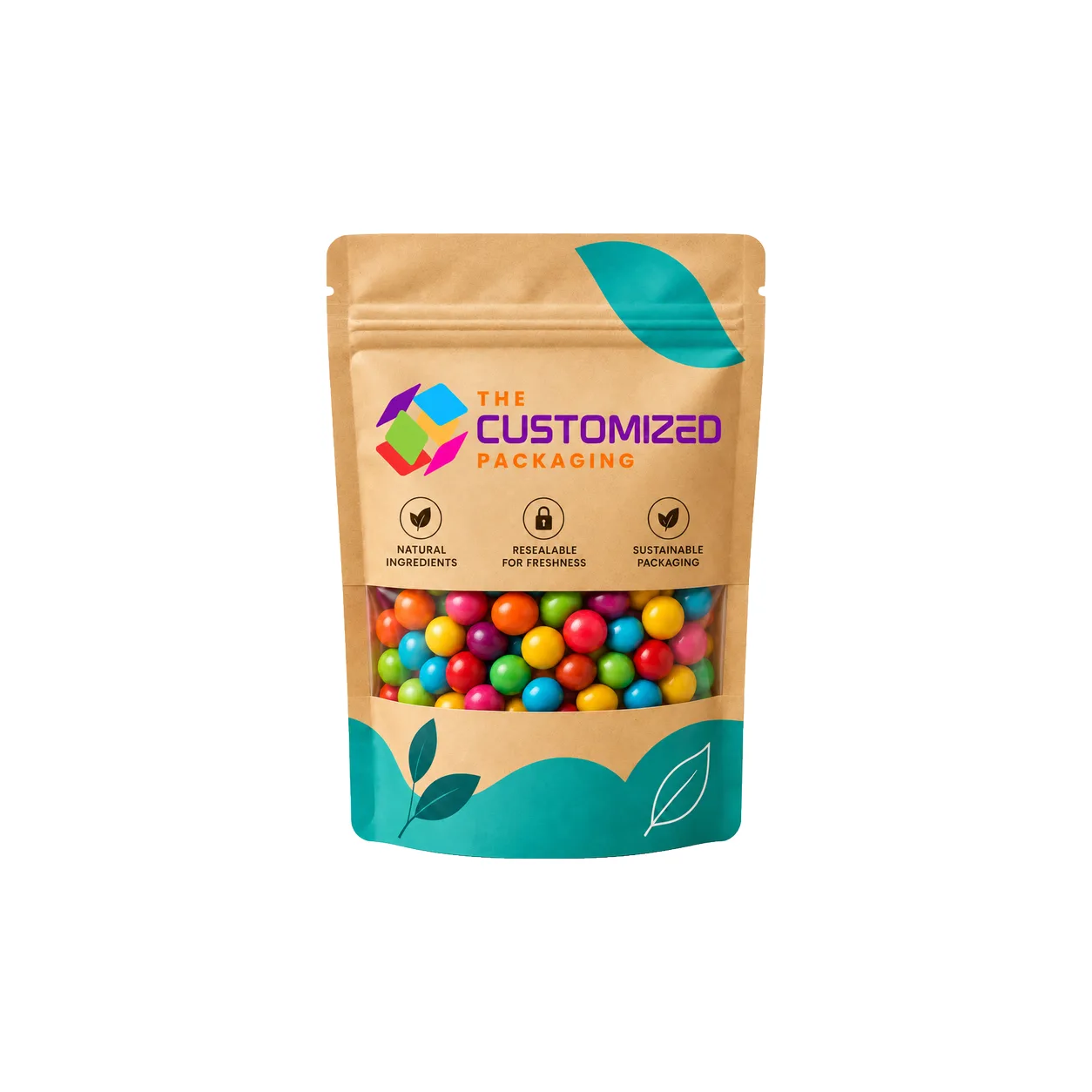
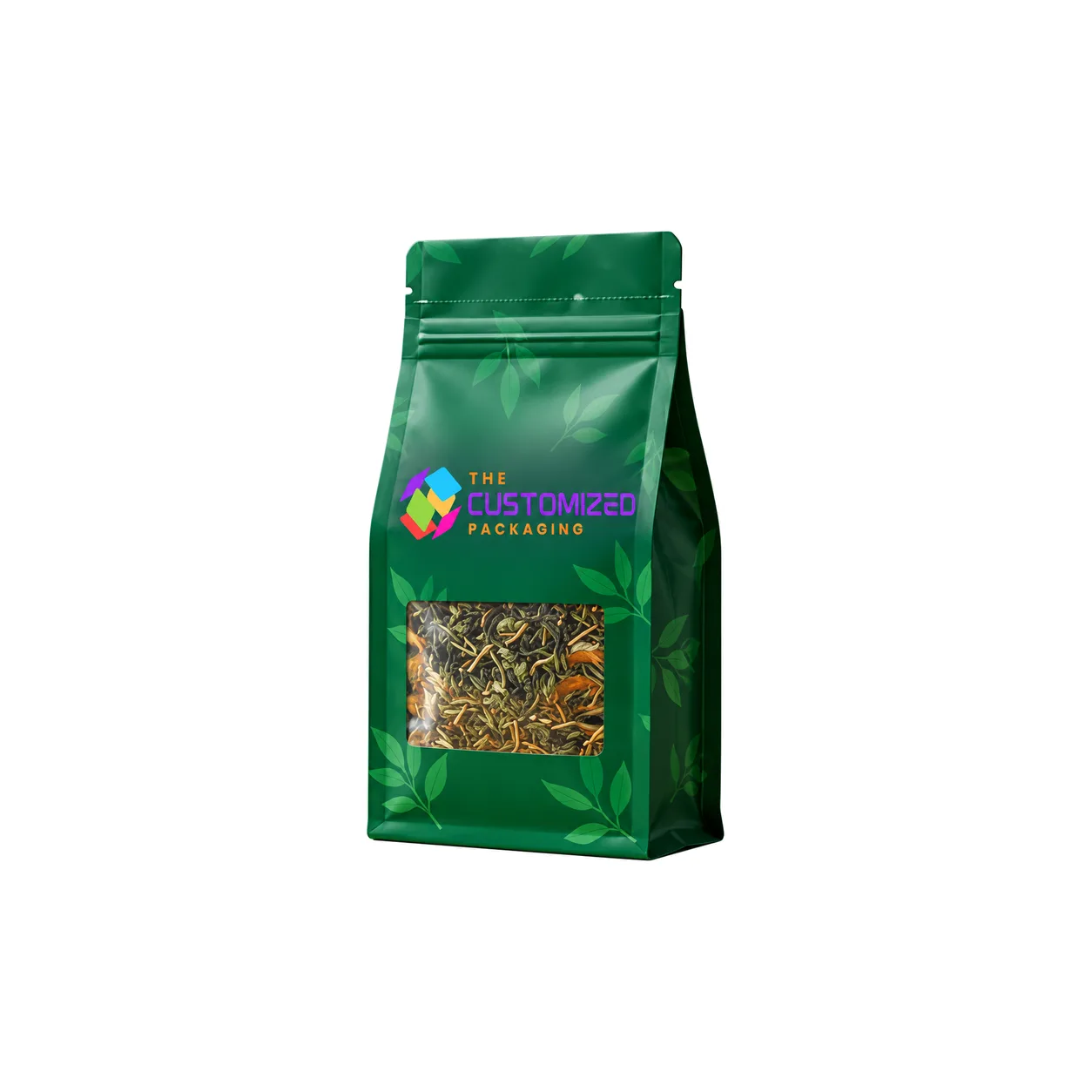
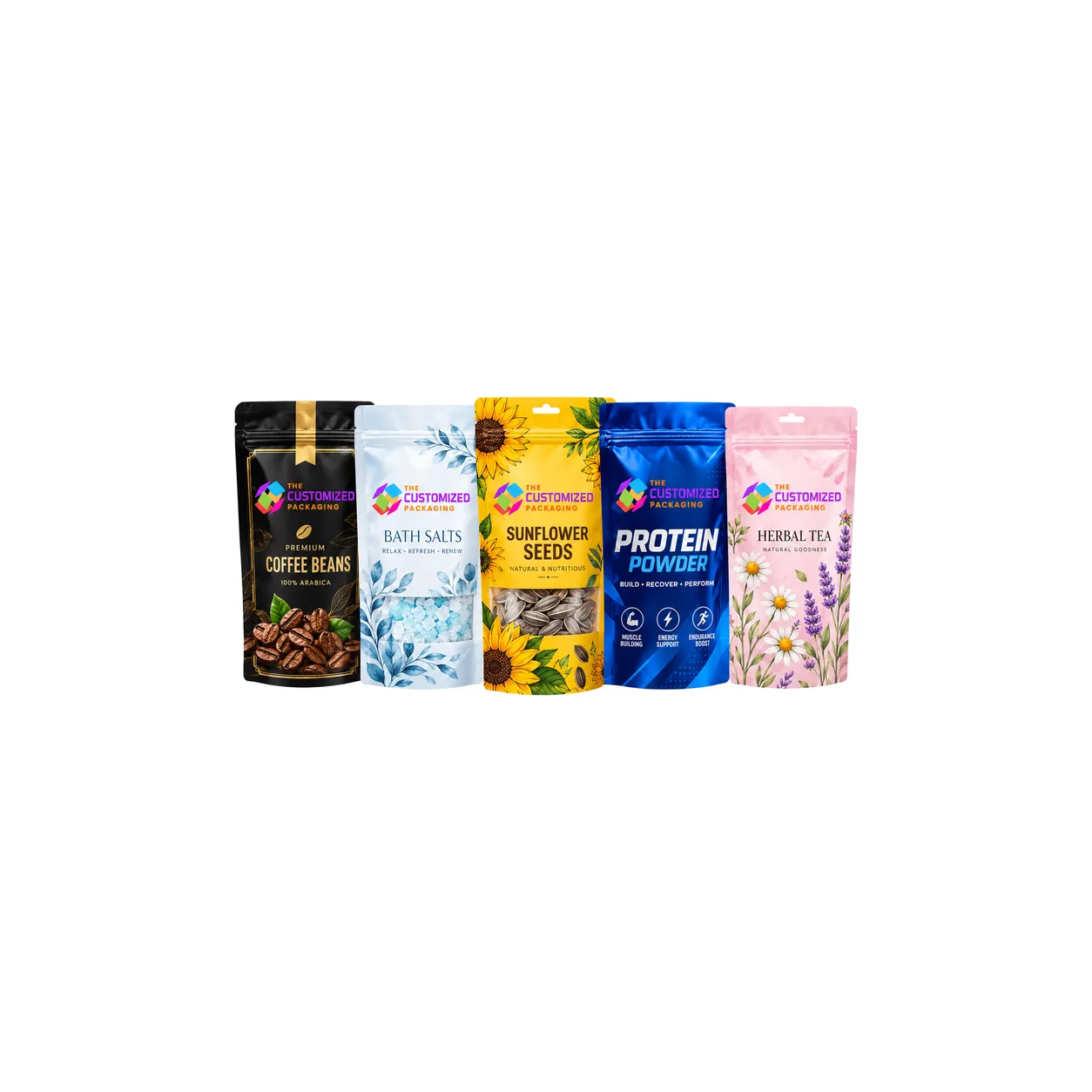
Order Custom Transparent Mylar Bags from The Customized Packaging
We manufacture Custom Transparent Mylar Bags for businesses that need reliable product protection, accurate printing, and professional packaging for retail, ecommerce, storage, or shipping. Each box can be customized by size, material, structure, printing, coatings, finishes, inserts, and order quantity.
Share your artwork and quantity targets for Custom Transparent Mylar Bags and we will recommend the most cost-effective structure for your timeline. or speak with a packaging expert. Browse custom rigid boxes, packaging inserts, and use our Custom Box Packaging Cost Calculator.