Custom Packaging for Pet Food, Treats, and Supplements
Custom Pet Food Boxes provide structured packaging for dry food, pet treats, biscuits, chews, supplements, sample packs, subscription meals, veterinary products, and specialty animal nutrition items.
These boxes normally function as secondary or outer packaging around sealed bags, pouches, sachets, trays, jars, bottles, or individually wrapped products. The box can be developed around the actual primary pack instead of relying on a loosely fitted stock carton.
Dimensions, material thickness, corrugated grade, closures, inserts, windows, printing, and finishes can all be adjusted according to the product weight, primary container, shelf requirements, storage conditions, and distribution method. A properly fitted box helps organize the contents while creating enough printable space for branding, ingredients, feeding information, product identity, barcodes, batch details, storage guidance, and promotional messaging.
These boxes are suitable for pet-food manufacturers, dog-treat brands, cat-food companies, private-label suppliers, pet retailers, veterinary businesses, subscription services, supermarkets, ecommerce sellers, wholesalers, shelters, breeders, and promotional campaigns.
Suitable Pet Products
| Pet Product |
Recommended Packaging Application |
| Dry Dog Food |
Corrugated cartons, multipack boxes, and wholesale cases |
| Dry Cat Food |
Retail cartons, sample packs, and subscription boxes |
| Dog Treats |
Folding cartons, window boxes, display trays, and gift sets |
| Cat Treats |
Small tuck boxes, sachet cartons, and hanging packaging |
| Pet Biscuits |
Window cartons, kraft boxes, and bakery-style packaging |
| Dental Chews |
Tall cartons, display boxes, and multipack packaging |
| Pet Supplements |
Bottle cartons, sachet boxes, and tablet packaging |
| Freeze-Dried Treats |
Secondary cartons around sealed pouches or bags |
| Wet-Food Pouches |
Multipack cartons and shelf-ready cases |
| Canned Pet Food |
Corrugated trays, multipack boxes, and retail cases |
| Bird Food |
Folding cartons, bag boxes, and display packaging |
| Fish Food |
Small cartons, bottle boxes, and hanging retail packs |
| Small-Animal Food |
Bag cartons, treat boxes, and subscription packaging |
| Pet Gift Sets |
Drawer boxes, rigid boxes, and divided presentation packaging |
Material Options
The selected material affects strength, print quality, stacking performance, shelf appearance, and overall cost.
| Material |
Best For |
Main Benefits |
| SBS Paperboard |
Treats, supplements, and detailed retail graphics |
Smooth print surface and clean folding |
| White Kraft Paperboard |
Bright branding and colorful pet illustrations |
Strong contrast and versatile construction |
| Natural Kraft Paperboard |
Organic-style, rustic, and handmade pet products |
Natural appearance and paper-based presentation |
| Recycled Paperboard |
Sustainability-focused pet-care programs |
Recycled content and customizable surfaces |
| Folding Cardboard |
Lightweight treat and supplement packaging |
Efficient flat storage and economical production |
| E-Flute Corrugated Board |
Small retail multipacks and ecommerce orders |
Added protection with compact thickness |
| B-Flute Corrugated Board |
Larger bags, canned-food cases, and shipping boxes |
Balanced cushioning and stacking strength |
| C-Flute Corrugated Board |
Heavy multipacks and wholesale distribution |
Strong compression and transport performance |
| Double-Wall Corrugated Board |
Large food bags and heavy subscription orders |
Reinforced strength for demanding loads |
| Rigid Board |
Premium pet gift sets and influencer kits |
Strong construction and elevated presentation |
Material thickness should be selected according to packed weight, carton dimensions, primary packaging, stacking conditions, pallet requirements, and delivery method.
Popular Pet Food Box Styles
| Box Style |
Main Features |
Recommended Use |
| Straight Tuck-End Boxes |
Top and bottom closures fold in the same direction |
Pet treats, supplements, and lightweight products |
| Reverse Tuck-End Boxes |
Opposing flaps support efficient production |
Standard retail pet-food cartons |
| Auto-Lock Bottom Boxes |
Pre-glued base provides stronger support |
Heavy treat pouches, jars, and bottles |
| Window Pet Food Boxes |
Die-cut opening reveals the inner pouch or wrapped product |
Treats, biscuits, and premium products |
| Gable Pet Food Boxes |
Built-in handle supports easy carrying |
Gift packs, bakery treats, and sample kits |
| Sleeve Pet Food Boxes |
Printed sleeve surrounds an inner tray or carton |
Limited editions and premium collections |
| Drawer Pet Food Boxes |
Sliding tray creates a controlled opening |
Pet gift sets and luxury treat collections |
| Corrugated Mailer Boxes |
Self-locking structure supports parcel delivery |
Ecommerce and subscription orders |
| Shelf-Ready Display Boxes |
Opens into a retail display tray |
Treat sachets, supplement packs, and small cartons |
| Multipack Cartons |
Holds several pouches, cans, trays, or sachets |
Retail bundles and warehouse distribution |
| Corrugated Shipping Cases |
Heavy-duty outer packaging |
Wholesale and palletized orders |
| Pet Subscription Boxes |
Printed mailer with dividers and interior messaging |
Monthly food, treat, and accessory programs |
Custom Dimensions and Product Fit
We manufacture pet-food boxes according to the product’s width, height, depth, packed weight, primary packaging, and quantity.
Small cartons can hold treat sachets, supplement bottles, chew packs, sample products, and fish-food containers. Medium boxes can accommodate sealed treat pouches, biscuit bags, wet-food pouches, cans, and variety packs. Larger corrugated structures can hold dry-food bags, several product packs, feeding accessories, and subscription assortments.
The box can include bottle collars, pouch dividers, can separators, sachet channels, raised platforms, document pockets, and accessory compartments. Accurate dimensions help reduce excess space while keeping the contents organized.
Customers can provide bag dimensions, pouch measurements, can diameters, bottle sizes, packed-weight data, photographs, physical samples, or a complete item list for structural development.
Custom Printed Pet Food Boxes
Custom printed pet-food boxes can display the brand logo, product name, pet type, flavor, ingredients, feeding guidance, net quantity, storage information, barcode, QR code, batch field, and promotional messaging.
Available printing methods include offset printing, digital printing, flexographic printing, screen printing, CMYK, Pantone matching, white ink, metallic ink, and one-color printing.
Printing can be applied to exterior panels, interior surfaces, inserts, display headers, sleeves, product cards, feeding guides, seals, and retail-label areas where technically suitable.
Custom Pet Food Boxes with Logo
Adding a logo helps pet brands create consistent presentation across supermarkets, pet stores, veterinary clinics, ecommerce marketplaces, subscription services, and wholesale channels.
The logo can be printed directly or enhanced through foil stamping, embossing, debossing, spot UV, raised effects, or metallic ink. It may appear on the front panel, top flap, window border, sleeve, interior message, insert, or security seal.
Playful graphics can support family pet brands, while clean typography and natural textures work well for premium, veterinary, organic-style, and specialty nutrition products.
Dog Food Boxes
Dog-food packaging can be produced for dry kibble, wet-food pouches, canned meals, dehydrated products, toppers, supplements, and sample packs.
Large dry-food bags may use corrugated outer cases for wholesale distribution or ecommerce delivery. Smaller sample bags can be packed inside folding cartons or subscription boxes.
The carton should provide enough space for feeding guidance, product identity, ingredient information, net quantity, storage details, and batch information.
Cat Food Boxes
Cat-food boxes can hold dry food, wet pouches, cans, treats, toppers, and supplements.
Multipack cartons can organize different flavors or meal portions. Color-coded panels can help distinguish chicken, fish, beef, turkey, or other product variations.
The box should be developed around the sealed primary package and should not be relied upon as the only moisture or aroma barrier.
Dry Pet Food Packaging Boxes
Dry-food products are commonly packed inside sealed bags or pouches before being placed inside a carton or shipping case.
The outer box can improve stacking, branding, retail presentation, and wholesale handling. Corrugated cases may be developed for single bags, several bags, or palletized quantities.
The primary bag should provide the main protection against moisture, oxygen, oils, and aroma loss.
Wet Pet Food Multipack Boxes
Wet-food pouches, trays, and cans can be arranged inside retail multipack cartons or corrugated cases.
Dividers can keep products aligned and prevent cans or trays from striking one another. Tear-away panels may convert the outer case into a shelf-ready display.
The final structure should be designed around the actual packed weight and the strength of the primary containers.
Dog Treat Boxes
Dog-treat packaging can be created for biscuits, soft chews, jerky, dental products, training treats, freeze-dried pieces, and gift assortments.
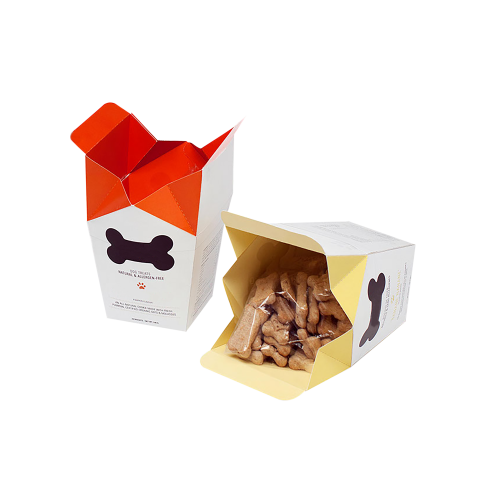
Folding cartons can surround sealed pouches, while window boxes can reveal individually wrapped or suitably contained treats. Display cartons are useful for sachets and single-serve packs.
The design can include flavor information, pet size guidance, feeding recommendations, and product benefits where supported.
Cat Treat Boxes
Cat-treat boxes can package small pouches, tubes, sachets, crunchy treats, freeze-dried products, and sample assortments.
Compact cartons help create a clean retail presentation while providing space for flavor identification and feeding guidance.
Multipack structures can hold several portions in separated or stacked arrangements.
Pet Biscuit Boxes
Pet biscuits can be packaged inside sealed bags, trays, wraps, or suitable liners before being placed inside folding or rigid cartons.
Window packaging can display biscuit shapes and colors. The box should provide enough space to avoid crushing fragile products.
Kraft materials, bakery-style graphics, and gift-ready designs work well for handmade and premium pet biscuits.
Dental Chew Boxes
Dental chews may be supplied in sealed pouches, individual wraps, or multipacks.
Tall cartons and display boxes can organize chew products while providing broad areas for instructions, pet-size guidance, and product information.
Claims involving dental health, tartar, plaque, fresh breath, or veterinary benefits should only be used when supported and appropriate for the product.
Pet Supplement Boxes
Pet supplements may be supplied in bottles, jars, sachets, blister-style packs, pouches, or stick packs.
Custom cartons can include bottle supports, leaflet compartments, and clear dosage panels. Multiple supplements can be packaged together as daily wellness kits.
Claims relating to joints, digestion, skin, coat, calming, immunity, or medical conditions should remain accurate and supported.
Pet Vitamin Boxes
Vitamin cartons can be developed around bottles, jars, pouches, or individual sachets.
The packaging can include product identity, intended animal, quantity, feeding guidance, storage information, and cautionary text.
A QR code may connect customers to product instructions, ingredient details, or subscription reordering.
Pet Probiotic Boxes
Probiotic products may use jars, sachets, stick packs, capsules, powders, or chew formats.
The carton should be sized around the primary container and may include a document pocket for instructions.
Storage and handling guidance should match the actual product and remain easy to find.
Freeze-Dried Pet Food Boxes
Freeze-dried foods and treats are commonly packed inside sealed pouches because the primary package must protect the contents from moisture and environmental exposure.
A custom outer carton can improve retail presentation, help organize multiple pouches, and create space for feeding instructions.
The box should not be described as moisture-proof unless the complete packaging system has been specifically developed and tested.
Dehydrated Pet Food Boxes
Dehydrated pet food may be packaged in bags, pouches, tubs, sachets, or meal portions.
Multipack cartons can organize several flavors or serving sizes. Interior printing may explain preparation or feeding steps.
The primary package should provide the main barrier against moisture and aroma loss.
Raw and Frozen Pet Food Boxes
Frozen and raw pet products may require temperature-controlled packaging, insulated shippers, liners, and other specialized components.
A printed corrugated box can support branding and outer protection, but it does not independently maintain refrigeration or frozen conditions.
Cold-chain packaging should be developed and validated specifically for the product, shipping duration, destination, and environmental conditions.
Pet Food Sample Boxes
Sample boxes can hold mini pouches, sachets, small cans, treat packs, and product information.
These boxes are useful for retail trials, veterinary clinics, trade shows, subscription promotions, shelters, breeders, and product launches.
A divided insert can organize samples by flavor, pet size, life stage, or product category.
Pet Food Variety Packs
Variety boxes can contain several flavors, recipes, textures, or portion sizes.
The structure can use side-by-side compartments, stacked pouches, can dividers, or labeled sections. The exterior can list all included products and quantities.
Clear identification helps customers understand the assortment without opening the box.
Puppy Food Boxes
Puppy-food packaging can use age-specific artwork, feeding guidance, serving information, and product identification.
The box may hold sample bags, starter kits, treats, supplements, and training products.
Claims about growth, development, digestion, or breed suitability should only be used when supported.
Senior Pet Food Boxes
Senior pet-food packaging may include clear typography, easy-to-read feeding guidance, and product information tailored to older pets.
The box can hold food pouches, supplements, soft treats, and daily wellness products.
Any statements about mobility, joint care, digestion, or age-related health should remain accurate and supported.
Breed-Specific Pet Food Boxes
Breed-specific packaging can use variable artwork, size guidance, feeding charts, and product differentiation.
Brands should avoid implying unsupported nutritional or medical benefits based solely on breed.
One structural format can support several versions through digital printing, labels, or artwork changes.
Small-Animal Food Boxes
Boxes can be developed for rabbit food, guinea-pig food, hamster mixes, small-animal treats, hay supplements, and nutrition products.
The primary bag or pouch should provide the main barrier against moisture, aroma loss, and contamination.
Retail cartons can improve stacking and create space for feeding and storage information.
Bird Food Boxes
Bird-food packaging can hold seed mixes, pellets, treats, mineral products, and supplement containers.
Folding cartons can surround sealed bags, while corrugated cases support larger products and wholesale quantities.
The design can identify bird type, product variety, feeding guidance, and net quantity.
Fish Food Boxes
Fish-food cartons can be developed around small bottles, jars, pouches, and sachets.
Compact folding cartons and hanging boxes work well for retail display. A fitted insert can keep the container centered.
The outer box should remain secondary packaging around the sealed product container.
Reptile Food and Supplement Boxes
Reptile products may include dried food, supplements, powders, treats, and feeding accessories.
Custom cartons can hold bottles, jars, sachets, and pouches while providing space for species information, usage guidance, and storage details.
Claims should match the approved product information and intended animal.
Pet Food Subscription Boxes
Subscription packaging can hold monthly food samples, full-size pouches, treats, supplements, toys, and accessories.
Corrugated mailers provide a practical format for direct-to-customer delivery. Dividers can separate food products from toys, grooming items, and printed materials.
Interior printing can include the monthly theme, feeding guidance, product information, member offers, and reorder links.
Pet Treat Subscription Boxes
Treat subscription boxes can organize several sealed snack packs by flavor, texture, or pet size.
A product card can explain each item, feeding guidance, and ingredient information. Custom mailers can include branded interior artwork and customer messages.
The complete shipping package should be developed around the packed weight and expected parcel conditions.
Pet Gift Boxes
Pet gift boxes can include treats, toys, bowls, collars, grooming products, accessories, and personalized messages.
Rigid, drawer, gable, two-piece, and corrugated mailer structures can support different product combinations.
Food products should be separated from dirty, sharp, scented, or abrasive accessories through suitable primary packaging and dividers.
Holiday Pet Food Boxes
Seasonal pet-food packaging can be created for Christmas, Halloween, birthdays, adoption anniversaries, and promotional events.
Artwork may include pet illustrations, seasonal colors, personalized names, gift messages, and limited-edition product labels.
Seasonal designs should not reduce the visibility of feeding, ingredient, storage, or safety information.
Pet Bakery Boxes
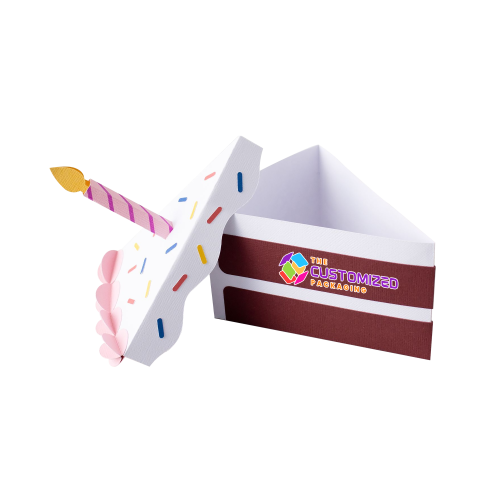
Pet bakeries can use custom boxes for biscuits, decorated treats, cupcakes, cookies, cakes, and gift assortments.
The product should be packaged using suitable primary wraps, trays, liners, or direct-contact materials selected specifically for the intended food.
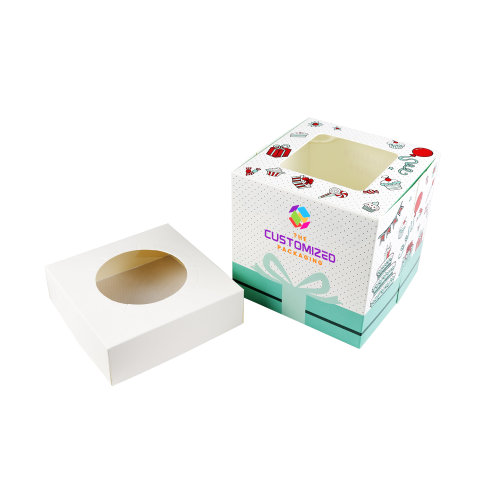
Window panels, bakery-style graphics, ribbons, and handles can create a gift-ready presentation.
Pet Treat Display Boxes
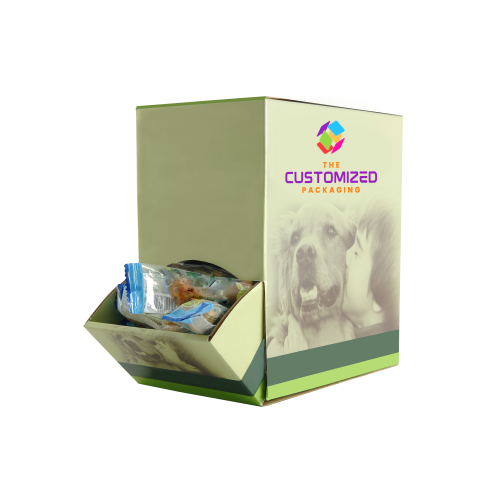
Display boxes can hold individual sachets, small pouches, chew packs, supplement sticks, and sample products.
They can be supplied as countertop trays, open-front displays, hanging units, or shelf-ready cases.
The display header can feature flavor information, pet type, promotional offers, and brand messaging.
Shelf-Ready Pet Food Packaging
Shelf-ready cases transport products to stores and convert into display trays after selected panels are removed.
They are suitable for pouches, cans, sachets, small cartons, and treat packs.
Tear-away sections should open cleanly without damaging the retail products or printed display area.
Hanging Pet Food Boxes
Hanging boxes use euro slots, round holes, or reinforced tabs for peg-hook display.
They are suitable for treat sachets, supplement bottles, small accessories, fish food, and compact pet products.
The hanging section should be engineered according to the packed weight and expected customer handling.
Window Pet Food Boxes
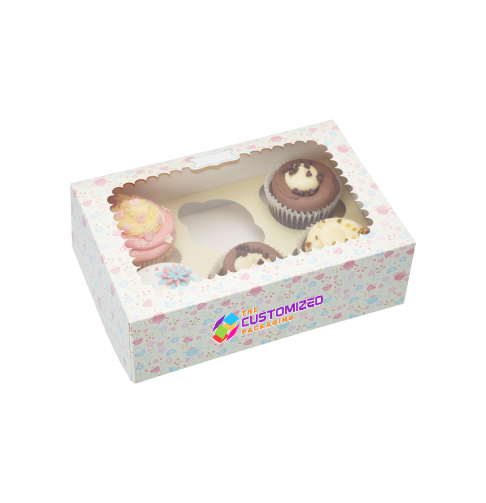
A die-cut window allows customers to see the sealed inner pouch, product container, treat shape, or assortment.
Window shapes can include rectangular, circular, bone-shaped, paw-shaped, cat-shaped, dog-shaped, fish-shaped, logo-shaped, or fully customized designs.
The window may remain open or include transparent film. Film should be considered when evaluating recyclability and material separation.
Gable Pet Food Boxes
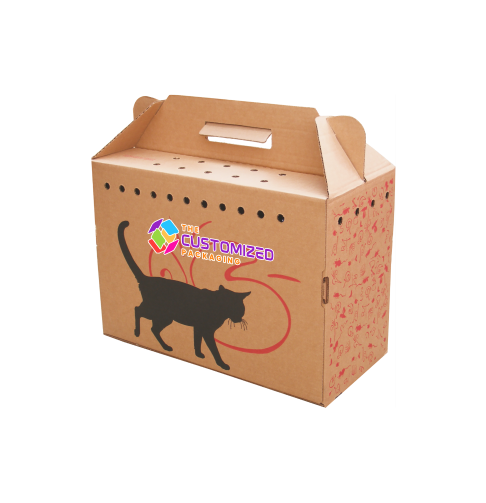
Gable boxes combine a carrying handle with a gift-ready structure.
They are suitable for bakery treats, promotional packs, sample kits, subscription gifts, and retail assortments.
The handle area should be reinforced according to the packed weight.
Drawer Pet Food Boxes
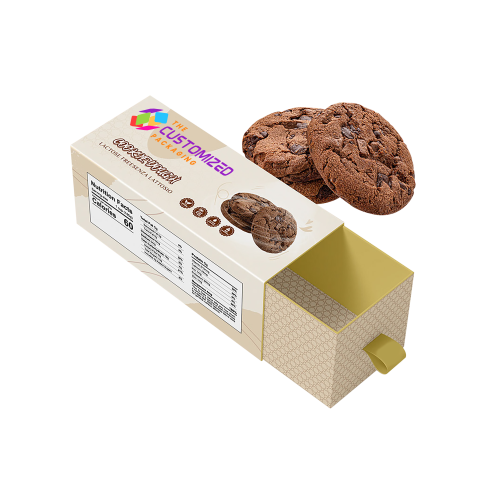
Drawer packaging uses a sliding tray inside an outer sleeve.
The tray can hold treat collections, supplement sets, gift cards, feeding accessories, and premium pet gifts. Ribbon pulls and thumb notches can improve opening convenience.
The drawer fit should be tested so it opens smoothly without sliding out unintentionally.
Pet Food Mailer Boxes
Corrugated mailers support ecommerce, subscription, direct-mail, and promotional programs.
The mailer can hold sealed food packs, treats, supplements, toys, and printed material inside divided sections.
Paper cushioning and custom inserts can reduce movement during shipping.
Multipack Pet Food Cartons
Multipack cartons can hold several cans, trays, pouches, bottles, or treat packs.
The structure should account for combined weight and allow easy retail handling. Carry openings may be added where structurally appropriate.
The carton can identify product quantity, flavors, feeding details, and barcode information.
Pet Food Shipping Boxes
Shipping boxes can be manufactured from single-wall, double-wall, or other suitable corrugated grades.
They can carry large bags, several retail cartons, canned-food cases, subscription orders, and wholesale quantities.
Board grade should be selected according to packed weight, stacking conditions, pallet pattern, and delivery method.
Custom Inserts and Dividers
Custom inserts can organize pouches, cans, jars, supplement bottles, treats, toys, and accessories.
Available options include die-cut paperboard, folded kraft board, corrugated dividers, molded pulp, honeycomb supports, layered trays, and selected foam components.
The insert should hold products securely without puncturing primary food packaging.
Pouch Dividers
Pouch dividers can separate flavors, serving sizes, or product types inside multipack cartons.
Paperboard channels and corrugated partitions help keep pouches upright and organized.
The divider should not contain sharp cut edges that could damage flexible packaging.
Can and Tray Dividers
Canned food and rigid trays can be separated through corrugated grids, paperboard partitions, or molded supports.
The structure should account for the combined weight and prevent metal containers from striking one another.
Reinforced bottom panels may be required for larger multipacks.
Bottle and Jar Supports
Supplement bottles and treat jars can be held using base cavities, neck collars, side supports, and raised platforms.
Glass containers may require molded pulp, corrugated protection, or foam depending on the application.
The outer carton should be tested with the complete filled product.
Feeding-Guide Compartments
Boxes can include pockets for feeding charts, preparation instructions, transition guides, loyalty cards, and product information.
The information may also be printed directly inside the lid or connected through a QR code.
Printed guidance should remain consistent with the approved product instructions.
Ingredient and Product Information
Pet-food cartons may require space for ingredients, nutritional information, feeding guidance, net quantity, business information, batch details, storage instructions, and other applicable labeling.
Brands remain responsible for confirming the requirements that apply to their products, animal type, and intended market.
Packaging production does not establish product approval, nutritional adequacy, or regulatory compliance.
Pet Food Claims and Marketing Language
Claims involving complete nutrition, dental health, digestion, joints, skin, coat, calming, weight control, allergies, veterinary benefits, or disease-related outcomes should only be used when accurate and supported.
Terms such as natural, organic, grain-free, human-grade, veterinarian-approved, hypoallergenic, sustainably sourced, or clinically tested should only be printed when verified.
The packaging should not imply medical treatment or guaranteed results unless the product is properly classified and supported.
Feeding Guidance
The box can provide feeding amounts, serving instructions, pet-size guidance, transition recommendations, and preparation steps.
Information should be supplied and approved by the product brand.
Tables and charts should remain readable and should not be placed across folds, glue seams, or windows.
Batch and Date Coding
Custom pet-food boxes can include designated areas for lot numbers, batch codes, packing dates, best-before information, or other applicable coding.
Coding may be printed directly, stamped, inkjet marked, embossed, or added through labels.
The coding area should remain flat and compatible with the brand’s marking equipment.
Barcodes and Product Identification
Pet-food cartons can include UPC barcodes, EAN codes, SKUs, flavor codes, size identifiers, product numbers, warehouse labels, and batch references.
Barcodes should appear on flat, high-contrast panels away from folds, windows, handles, textured surfaces, and reflective foil.
A printed sample should be scanned before full production approval.
QR Codes and Digital Integration
QR codes can connect customers to feeding guides, ingredient details, product sourcing, subscription programs, loyalty offers, pet profiles, preparation videos, or reorder links.
The code should appear on a flat, high-contrast panel and be tested on the finished package.
Placement should avoid folds, foil, embossing, seals, and retail-label areas.
Tamper-Evident Features
Optional features include adhesive seals, paper bands, locking tabs, tear strips, perforated panels, security labels, and serialized stickers.
These features can indicate prior opening but do not make the package completely tamper-proof.
The primary food package may require its own closure and first-use protection.
Food-Contact Considerations
Pet-food boxes normally function as secondary packaging around sealed bags, pouches, wraps, trays, bottles, or cans.
When direct food contact is intended, the paper, coatings, inks, adhesives, liners, and manufacturing conditions should be selected specifically for that use.
Standard decorative paperboard, recycled stock, foil, window film, glue, and printing should not automatically be described as suitable for direct food contact.
Grease and Oil Considerations
Pet treats and food products may contain fats and oils that can stain untreated paperboard.
Sealed inner bags, grease-resistant liners, trays, wraps, or selected coatings can help reduce transfer.
Compatibility should be evaluated with the actual product and intended storage period.
Moisture and Aroma Protection
Paperboard and corrugated boxes do not normally provide the primary barrier against moisture, oxygen, or aroma loss.
The sealed bag, pouch, tray, jar, bottle, or can should provide the main protective barrier.
The outer carton should not be described as moisture-proof, airtight, or odor-proof unless the complete packaging system has been specifically developed and tested.
Pest and Contamination Considerations
Pet-food packaging should be stored in clean, dry conditions and protected from contamination, pests, moisture, and strong odors.
The outer box can help organize and protect the primary packs but should not replace suitable warehouse and food-handling controls.
Damaged or contaminated packaging should be evaluated before use.
Ecommerce Pet Food Packaging
Pet-food products shipped directly to customers may require corrugated outer cartons, dividers, cushioning, reinforced bases, and secure closures.
Heavy food bags, cans, jars, and multipacks should not move freely inside oversized boxes.
The complete shipping system should be evaluated according to packed weight, product fragility, and expected carrier conditions.
Wholesale Pet Food Packaging
Wholesale cases can hold retail cartons, food bags, pouches, cans, treat packs, and supplement bottles.
Master cartons can include product quantity, flavor, size, barcode, packed weight, batch information, and orientation markings.
Dimensions can be optimized for pallets, warehouse storage, and distributor handling.
Pallet-Ready Pet Food Boxes
Corrugated cases can be designed around pallet dimensions to improve stacking and freight efficiency.
Board grade, layer count, pallet overhang, corner boards, stretch wrapping, load distribution, and stacking height should all be considered.
Heavy food products may require reinforced bases or double-wall construction.
Interior Printing
Interior panels can display feeding guidance, brand stories, pet-care tips, loyalty messages, subscription details, and QR codes.
This adds a branded touchpoint without overcrowding the exterior.
Interior printing should be reviewed where primary food packs may contact the printed surface.
Premium Finishes
Custom pet-food boxes can use matte lamination, gloss lamination, aqueous coating, varnish, spot UV, metallic ink, foil stamping, embossing, debossing, and textured stocks.
Premium finishes work well for specialty treats, gift sets, subscription launches, and high-end pet brands.
Finishes should not interfere with barcodes, batch areas, feeding information, ingredient text, windows, or closures.
Minimalist Pet Food Packaging
Minimalist boxes can use clean typography, limited colors, ingredient-led artwork, and clear product identification.
This style suits premium, veterinary, natural-style, and specialty nutrition brands.
A simple design should still provide enough space for feeding guidance, ingredients, net quantity, storage information, barcodes, and batch coding.
Eco-Friendly Pet Food Boxes
Eco-friendly options can include recycled paperboard, kraft stock, recyclable corrugated board, molded pulp, paper-based inserts, reduced ink coverage, open windows, and right-sized dimensions.
Brands can also reduce plastic windows, foam, metallic laminates, and unnecessary mixed-material decorations.
A paper box should not automatically be described as recyclable, biodegradable, compostable, or sustainable. Environmental claims should consider coatings, grease, food residue, adhesives, films, labels, foils, and liners.
Flat-Pack Storage and Assembly
Folding cartons, corrugated cases, mailers, sleeves, and inserts can often be supplied flat to reduce warehouse space and inbound freight volume.
Pre-glued side seams, auto-lock bottoms, self-locking mailers, and scored panels can simplify assembly.
The selected structure should align with filling, pouch insertion, coding, sealing, display conversion, and warehouse handling.
Wholesale and Bulk Pet Food Boxes
Ordering wholesale custom pet-food boxes can reduce the average unit price and help brands maintain consistent packaging across flavors, recipes, pet types, product sizes, retail locations, and distribution channels.
Bulk pet-food packaging is suitable for manufacturers, private-label suppliers, pet retailers, supermarkets, veterinary businesses, subscription services, ecommerce companies, wholesalers, and distributors.
Pricing depends on dimensions, packed weight, material, corrugated grade, box style, inserts, windows, printing coverage, artwork variations, order quantity, and delivery destination.
Low-minimum options may be available for selected digitally printed folding cartons and standard paperboard structures. Heavy corrugated cases, custom inserts, specialty coatings, numerous product versions, and premium finishes may require higher production quantities.
Use our Custom Box Packaging Cost Calculator to receive a preliminary estimate for your pet-product packaging project. Enter the dimensions, packed weight, quantity, material, box style, insert requirements, window, printing coverage, and finishing options.
Want to know the cost of your product’s packaging? Try our Custom Box Packaging Cost Calculator.
The calculator can help compare treat cartons, supplement boxes, window packaging, multipack cartons, subscription mailers, shelf-ready displays, and corrugated shipping cases.
Final pricing is confirmed after reviewing the primary package, packed weight, structure, inserts, artwork variations, quantity, and delivery destination.
Factors That Affect Pet Food Box Pricing
| Cost Factor |
How It Affects the Price |
| Box Dimensions |
Larger food bags and multipacks require more material |
| Packed Weight |
Heavy cans, jars, and bulk products require stronger board |
| Material Type |
Paperboard, kraft, micro-flute, double-wall, and rigid board have different costs |
| Box Structure |
Standard folding cartons generally cost less than drawer or display structures |
| Insert Design |
Pouch dividers, bottle supports, and can partitions add complexity |
| Window Design |
Die-cut openings and transparent film add material and tooling |
| Printing Coverage |
Full-color interior and exterior printing increases production cost |
| Artwork Variations |
Different flavors, recipes, and sizes may require separate setups |
| Special Coatings |
Grease-resistant or protective surfaces may affect cost |
| Retail Features |
Handles, hang tabs, tear-away displays, and security seals add processes |
| Order Quantity |
Larger production quantities generally reduce the average unit price |
| Delivery Destination |
Freight depends on flat or assembled volume, weight, quantity, and location |
Why Choose The Customized Packaging?
The Customized Packaging manufactures pet-food packaging for food manufacturers, treat brands, private-label suppliers, pet retailers, veterinary businesses, supermarkets, subscription companies, wholesalers, and ecommerce sellers.
Customers can choose custom dimensions, paperboard grades, corrugated materials, windows, dividers, bottle supports, shelf-ready features, display headers, branded printing, and premium finishes.
Whether you need custom pet-food boxes with logo, dog-treat cartons, cat-food multipacks, supplement packaging, subscription mailers, display boxes, or wholesale corrugated cases in the USA, we can manufacture boxes according to your products and distribution requirements.
Buy Custom Pet Food Boxes Online
To request a quotation, provide the primary package dimensions, packed weight, product type, required quantity, preferred material, box style, insert requirements, window design, artwork variations, retail features, and delivery destination.
Our packaging specialists can help you buy custom pet-food boxes online, compare low-minimum and bulk pricing, and create packaging that supports product organization, retail presentation, ecommerce delivery, wholesale handling, and brand recognition.
Choose The Customized Packaging for custom printed pet-food boxes, dog-treat packaging, cat-food cartons, pet-supplement boxes, subscription mailers, shelf-ready displays, and wholesale custom packaging delivered throughout the USA.