
How Custom Luxury Candle Boxes Turn Premium Candles into Memorable Brand Experiences
Memorable candle packaging is more than a premium box. Discover how structure, fragrance storytelling, product placement and consistent branding shape the complete customer experience.
 Published June 15, 2026
Updated August 05, 2026
14 min read
Published June 15, 2026
Updated August 05, 2026
14 min read
A premium candle experience begins before the wick is lit.
Customers first encounter the product through its photography, retail display or delivery package. They notice the fragrance name, box proportions, materials, colors and the way the candle is positioned after opening. These details introduce the brand before the customer can experience the scent itself.
Custom luxury candle boxes help coordinate those moments. They can connect the fragrance, vessel, visual identity and product reveal through one packaging system rather than treating the outer box as a separate decoration.
The goal is not to make every candle package heavier, shinier or more complicated. It is to create an experience that feels appropriate to the product and remains consistent wherever the customer encounters the brand.
What Is a Candle Brand Experience?
A candle brand experience is the complete impression created across every interaction with the product.
Packaging contributes at several stages:
| Customer moment | Packaging responsibility |
|---|---|
| Product discovery | Communicate the brand, fragrance and collection |
| Product selection | Make scent, size and product details easy to identify |
| Purchase or gifting | Present the candle at an appropriate quality level |
| Opening | Reveal the vessel safely and intentionally |
| Product use | Provide accessible care and safety information |
| Storage or reuse | Keep useful components organized where relevant |
| Future purchase | Help customers recognize the brand and collection again |
No individual finish can create all these outcomes.
A foil logo may strengthen the visual identity, but it cannot correct a poorly fitted vessel. A rigid structure may feel substantial, but it will not create a coherent collection when every fragrance uses unrelated artwork.
The experience comes from how the parts work together.
Begin with the Brand Promise
Before selecting a box style, define what the candle brand is trying to communicate.
A luxury hotel candle may emphasize place, atmosphere and hospitality. A wellness collection may focus on quiet routines and understated materials. A designer fragrance brand may use architecture, fashion or artistic references, while a handmade studio may highlight craft and small-batch production.
The packaging direction should support that promise through:
-
Structure
-
Proportions
-
Color
-
Material texture
-
Typography
-
Product arrangement
-
Fragrance language
-
Opening method
A natural paper surface may suit one premium brand, while another requires a smooth dark wrap with controlled metallic detail. Neither direction is inherently more luxurious.
Luxury comes from consistency, accuracy and relevance to the product.
Translate Fragrance into Visual Language
Customers cannot always smell a sealed candle before purchasing it, particularly online. The packaging must therefore help them understand the fragrance without relying on vague lifestyle language.
A useful scent hierarchy may include:
-
Fragrance name
-
Fragrance family
-
Selected scent notes
-
Intended atmosphere or inspiration
-
Candle size or format
A woody fragrance may use warm neutrals, architectural lines or restrained texture. A fresh botanical scent may use lighter spacing and natural illustration. An evening fragrance may use deeper tones and stronger contrast.
These visual signals should help distinguish the fragrance while preserving the main brand identity.
Custom printed candle boxes can carry the scent story across the lid, side panels or interior. The complete description does not need to appear on the front.
A short, clear fragrance introduction is usually more effective than a long poetic paragraph that makes the actual notes difficult to find.
Create One System Across the Collection
A luxury candle range may include core fragrances, seasonal editions, larger vessels, travel sizes and gift sets.
The packaging should show that these products belong to one brand even when the structures differ.
Keep selected elements consistent:
-
Logo placement
-
Typography
-
Fragrance-name hierarchy
-
Interior color
-
Information layout
-
Finish treatment
-
Product-code location
-
Photography direction
Then vary fragrance or collection elements:
-
Color
-
Illustration
-
Pattern
-
Sleeve
-
Scent-family icon
-
Limited-edition mark
-
Interior message
A travel candle and a large ceramic vessel do not need identical boxes. They need a recognizable design relationship.
This distinction allows the brand to use product-appropriate structures without making the collection look disconnected.
Match the Structure to the Intended Experience
The structure controls how quickly the product is seen, how it is removed and how much room is available for storytelling.
| Structure | Experience it can support |
|---|---|
| Printed folding carton | Refined but efficient everyday retail presentation |
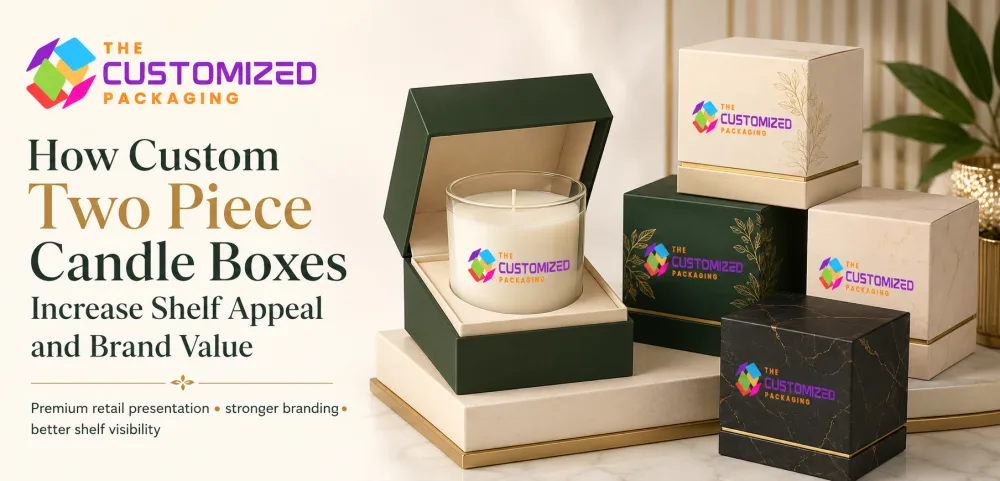
| Two-piece lid and base | Classic gift-style reveal |
| Magnetic closure box | Attached lid with a broad interior storytelling surface |
| Drawer or sleeve-and-tray | Gradual, interactive product reveal |
| Shoulder-and-neck box | Layered and architectural presentation |
| Window carton | Product visibility before opening |
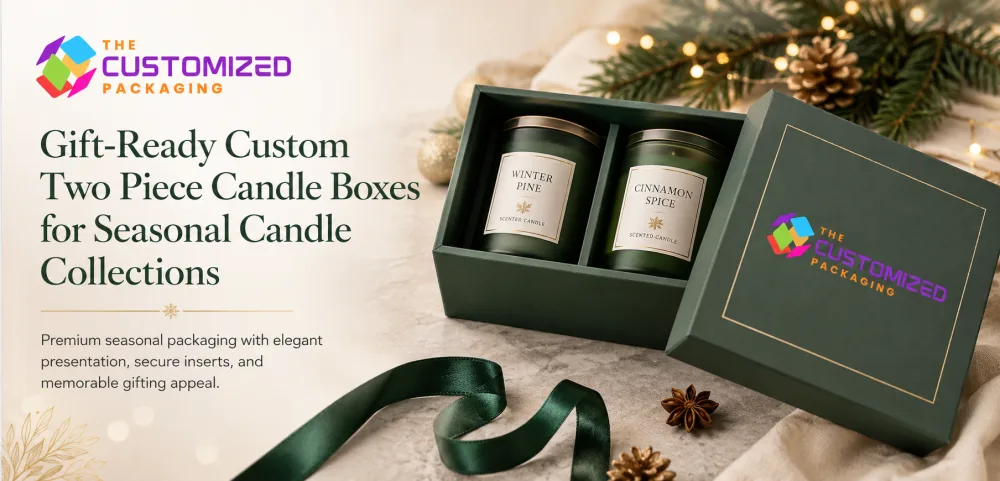
| Compartmented gift box | Several candles or coordinated accessories |
The selection should reflect the vessel, price level, sales channel and order volume.
A folding carton with excellent fit and disciplined printing may communicate more quality than an oversized rigid box containing large empty spaces. Likewise, a magnetic structure may suit a limited collection but create unnecessary storage and shipping demands for an everyday candle.
Make the Vessel the Main Interior Feature
The candle should not disappear beneath tissue, cards and decorative components.
When the box opens, the customer should understand where to look first. The vessel label, lid or defining design feature should normally remain visible.
A fitted support can keep the candle:
-
Centered
-
Upright
-
Facing the intended direction
-
Separated from accessories
-
Protected from the outer walls
-
Easy to remove
The appropriate support may be folded paperboard, corrugated material, molded pulp, wrapped board or foam. The choice depends on the vessel’s weight, shape, fragility and presentation level.
An insert should solve a real positioning or protection problem. It should not be added only because inserts are associated with expensive packaging.
Detailed insert engineering belongs on the dedicated candle-insert article rather than being repeated throughout this page.
Plan the Reveal in Layers
A memorable reveal does not require a large number of components. It requires an intentional sequence.
One possible progression is:
-
The exterior introduces the brand and fragrance.
-
The opening movement reveals a contrasting interior.
-
The vessel appears in its intended position.
-
A concise card or printed panel provides care or scent information.
-
The customer removes the candle without disturbing other components.
The sequence should feel natural.
A card placed above the product may introduce the fragrance, but it can also hide the vessel completely. Tissue may add softness, but too many folds can make the customer search for the candle. A ribbon may support product removal, yet it is unnecessary when the jar is already easy to lift.
Every layer should have a reason to exist.
Use Interior Printing to Continue the Story
Interior surfaces provide an opportunity to communicate after the customer has committed to opening the box.
Useful interior content may include:
-
A short fragrance story
-
Candle-care guidance
-
A thank-you message
-
Collection information
-
A gifting message
-
Refill details
-
A QR code linking to relevant instructions
-
Verified material information
The inside should not repeat the complete front panel.
A restrained exterior can communicate brand confidence, while the interior provides more personal or practical information. This creates progression without adding several loose cards.
A QR code should lead to a maintained, product-specific destination rather than a general homepage.
Treat Touch as Part of the Design
Customers handle premium packaging before they handle the candle. Surface texture, lid movement and structural firmness therefore influence the experience.
Possible tactile directions include:
-
Uncoated paper
-
Textured wraps
-
Matte lamination
-
Soft-touch surfaces
-
Embossed or debossed details
-
Fabric or linen-style papers
-
Smooth rigid edges
-
Ribbon or paper pull tabs
These features should be tested physically.
Dark matte materials may show fingerprints or rubbing. Highly textured paper can affect fine printing and wrapped corners. Soft-touch coatings may change the friction between sliding or lid-and-base components.
The most appropriate tactile feature is one that supports the brand while remaining practical during manufacturing, packing, storage and delivery.
Use Finishes to Establish Hierarchy
Premium finishing works best when it directs attention.
A foil logo may identify the brand. Embossing can emphasize a symbol, while spot gloss can highlight the fragrance name against a matte surface. The entire package does not need to shine.
A controlled hierarchy might use:
-
One primary logo treatment
-
One fragrance identifier
-
One interior surprise
-
One supporting texture
Combining foil, embossing, spot UV, ribbon, metallic paper and heavy lamination in one package may weaken rather than strengthen the design.
Customers should remember the candle and brand—not a list of printing techniques.
Design Gift Packaging Around the Recipient
Candles are frequently selected for weddings, holidays, corporate programs, housewarmings and personal gifts.
Luxury candle gift boxes should feel ready to present while still belonging to the candle brand.
A gift system may include:
-
One or more candles
-
Matches
-
Wick trimmer
-
Care card
-
Fragrance guide
-
Gift message
-
Room spray or diffuser
-
Separate product compartments
Each item should have a defined position. Metal accessories should not move against glass or ceramic vessels.
For personalized orders, the permanent box can remain consistent while names, dates, corporate logos or seasonal messages appear on sleeves, labels, cards or belly bands. This reduces the risk of unused event-specific packaging.
Keep Retail, Ecommerce and PR Experiences Connected
The customer may first see a candle on a retail shelf, ecommerce page, influencer post or delivered inside an outer mailer.
The presentation should remain recognizable across these settings.
Retail
The package needs a clear shelf-facing panel, fragrance identification, stable dimensions and accessible barcode placement.
Ecommerce
The customer-facing box normally needs a separate shipping layer that protects its surfaces, corners and vessel during delivery.
PR and Influencer Kits
A larger presentation may be appropriate, but the package should still communicate the same logo, typography and collection system used for the retail product.
A highly theatrical press kit that looks unrelated to the box customers receive may generate attention without strengthening long-term brand recognition.
Protect the Brand Experience During Shipping
A luxury box cannot create a positive experience when it arrives crushed, scratched or opened.
The retail or presentation package should normally be tested inside its intended corrugated shipping carton.
Review:
-
Movement around the presentation box
-
Pressure on the lid and base
-
Corner damage
-
Surface abrasion
-
Insert displacement
-
Vessel movement
-
Accessory contact
-
Condition after realistic delivery handling
The shipping layer does not need to duplicate the luxury presentation. Its purpose is to protect it.
This is particularly important for glass, ceramic and concrete candle vessels, where product damage can affect both the customer experience and the economics of replacement shipments.
Keep Safety Information Accessible
Luxury design should not make important candle guidance difficult to find.
CPSC identifies ASTM F2058 as a principal voluntary standard addressing candle fire-safety labeling.
The candle company should determine the warnings and instructions required for its product. The packaging layout should then provide suitable space without hiding essential information beneath an insert, sleeve or decorative component.
Care and safety details may be supported by a printed card or QR code, but information that needs to remain with the product should not appear only on disposable outer packaging.
Avoid Broad Environmental Claims
Natural papers and reduced decoration can support a particular brand direction, but they do not automatically make the completed package sustainable, recyclable or biodegradable.
The FTC advises marketers to substantiate environmental claims, qualify recyclable statements when appropriate and identify verified recycled-content percentages rather than relying on broad “green” wording.
Claims should reflect the actual box, including:
-
Board
-
Wrap
-
Lamination
-
Foil
-
Adhesive
-
Window
-
Insert
-
Ribbon
-
Label
Specific statements are more credible than general ones.
For example, “made with 70% recycled paperboard” is more useful than “eco-luxury packaging” when the percentage is documented. Right-sizing the box and removing unnecessary layers may also provide a clearer packaging improvement.
Measure the Experience Without Overclaiming
Packaging may support recognition, gifting, customer satisfaction and repeat purchases, but it does not independently guarantee those outcomes.
Brands can review:
-
Damage and replacement rates
-
Review comments about packaging
-
Retailer feedback
-
Gift-order volume
-
QR-code engagement
-
Repeat purchase by collection
-
Customer-service questions
-
Packaging-related returns
-
Product photography consistency
-
Packing time and material use
Compare the results before and after a packaging change where practical.
Sales may also be affected by price, promotions, seasonality, product quality, fragrance performance and distribution. Packaging should be evaluated as one contributor within the complete brand experience.
Test the Experience Before Production
A digital mockup cannot show how the package feels, opens or performs with the actual candle.
Review a physical prototype containing the completed vessel, insert, cards and accessories.
Check whether:
-
The structure reflects the intended price level.
-
The candle remains in the planned position.
-
The logo and fragrance are easy to identify.
-
The opening sequence is clear.
-
The product can be removed safely.
-
Interior information appears at the right moment.
-
Materials and finishes survive handling.
-
The box fits the intended shipping system.
-
Packing staff can assemble it consistently.
-
The complete collection looks related.
Ask several people to open the package without instructions. Their behavior may reveal issues that are invisible during artwork review.
Preparing a Wholesale Packaging Brief
Pricing for wholesale luxury candle boxes depends on the final dimensions, construction, board, wrap, printing, finishes, insert, artwork variations, assembly and quantity.
Prepare:
-
Candle and vessel type
-
Finished product dimensions
-
Filled weight
-
Retail, ecommerce or gifting use
-
Preferred opening experience
-
Box structure
-
Insert arrangement
-
Interior and exterior artwork
-
Number of fragrances
-
Quantity for each version
-
Accessories and cards
-
Shipping destination
-
Required date
Most custom packaging styles begin at 100 units. Specialized rigid structures, materials and multiple artwork variations may have different production requirements.
Why Choose The Customized Packaging?
The Customized Packaging develops premium candle boxes around the vessel, fragrance collection, customer journey and sales channel.
Available options include folding cartons, rigid packaging, magnetic closures, drawer boxes, two-piece structures, sleeves, windows, fitted supports, divided gift-set layouts and printed interiors.
Projects can be developed for signature fragrances, limited editions, wellness collections, hotels, weddings, corporate gifting, ecommerce launches and retail distribution.
Standard production generally takes 8–12 business days after structural and artwork approval. Rush service is available for eligible projects.
The objective is not to add every premium feature. It is to create a coherent package that introduces the fragrance, protects the vessel and carries the same brand identity through every customer interaction.
Frequently Asked Questions
What makes candle packaging feel luxurious?
Accurate construction, controlled product fit, consistent branding, suitable materials and a clear opening experience usually matter more than the number of decorative finishes.
Do premium candles always need rigid boxes?
No. A well-designed folding carton can provide an appropriate premium presentation for many candles. Rigid structures are most suitable when the vessel, price level and intended experience justify the additional construction.
How can packaging communicate a fragrance?
Brands can combine the fragrance name, scent family, selected notes, color, typography and concise storytelling while keeping the wider collection visually consistent.
Should the candle box contain several cards and accessories?
Only when they serve a useful purpose. Care guidance, fragrance information and gift messages can improve the experience, but excessive loose components may hide the product and complicate packing.
Can the same packaging work for retail and ecommerce?
The branded presentation may remain the same, but ecommerce orders usually require an additional corrugated shipping layer to protect the box and candle during transit.
Does luxury packaging increase customer loyalty?
It may contribute to recognition and customer satisfaction, but loyalty also depends on the fragrance, candle performance, price, service and delivery experience. Its effect should be measured rather than assumed.
Design the Experience Before Decorating the Box
Memorable candle packaging is not created by placing a premium finish on every available surface.
The brand promise must be clear. The fragrance needs an understandable visual language, the vessel must remain protected and the product reveal should feel natural. Retail, ecommerce and gift presentations should then express the same identity.
When these decisions are planned as one journey, luxury candle packaging can introduce the product before the flame, support its use and help customers recognize the brand long after the box has been opened.