
| Specification | Details |
|---|---|
| Product | Custom Cream Boxes |
| Packaging Function | Secondary retail and presentation cartons |
| Primary Containers | Sealed cream jars, squeeze tubes, pumps, and dispensers |
| Dimensions | Based on actual finished container measurements |
| Container Weight | Filled weight required for structural selection |
| Materials | Suitable paperboard, kraft, and selected reinforced grades |
| Structures | Folding cartons, selected reinforced bottoms, sleeves, and presentation styles |
| Jar Support | Project-specific base or fitted insert arrangement |
| Pump Clearance | Allowance for finished dispenser dimensions |
| Cap Clearance | Based on attached lid or closure geometry |
| Top Closure | Approved tuck or suitable carton opening |
| Bottom Closure | Selected according to filled weight |
| Inserts | Paperboard collars, platforms, supports, or suitable dividers |
| Printing | Compatible digital, offset, or selected production method |
| Brand Artwork | Logos, product names, directions, and approved information |
| Finishes | Compatible matte, gloss, and selected decorative effects |
| Primary Containment | Provided by the sealed cream container |
| Leakage Protection | Not automatically provided by the outer carton |
| Proofing | Digital proof and suitable container-fit review |
| Order Quantity | Minimum confirmed for the approved specification |
| Production and Delivery | Confirmed after approval |
| Wholesale Pricing | Quoted by size, structure, materials, printing, quantity, and destination |
Custom Cream Boxes for Jars, Tubes, and Skincare Containers
Custom Cream Boxes provide branded secondary cartons for creams packaged in suitable sealed jars, tubes, bottles, pumps, and airless dispensers. Their main purpose is to fit and present the finished container while creating printable panels for product identification, ingredients, directions, and other brand-approved information.
The package must be designed around the actual filled container. A wide glass cream jar has different weight distribution and clearance requirements from a lightweight plastic tube. A pump or applicator may also extend above the main container and require additional internal space.
A standard paperboard carton does not contain the cream itself. Liquid or semi-liquid containment, sealing, leakage prevention, and formula compatibility remain responsibilities of the selected primary package and any validated additional components.
Cartons for Cream Jars, Squeeze Tubes, and Pumps
Different cream containers require different support arrangements. Jars tend to have broad bases, while tubes may need attention to their cap and sealed end. Airless dispensers can be taller and may have exposed pump heads.
Cream Container and Carton Comparison
| Primary Container | Potential Carton | Main Fit Requirement |
|---|---|---|
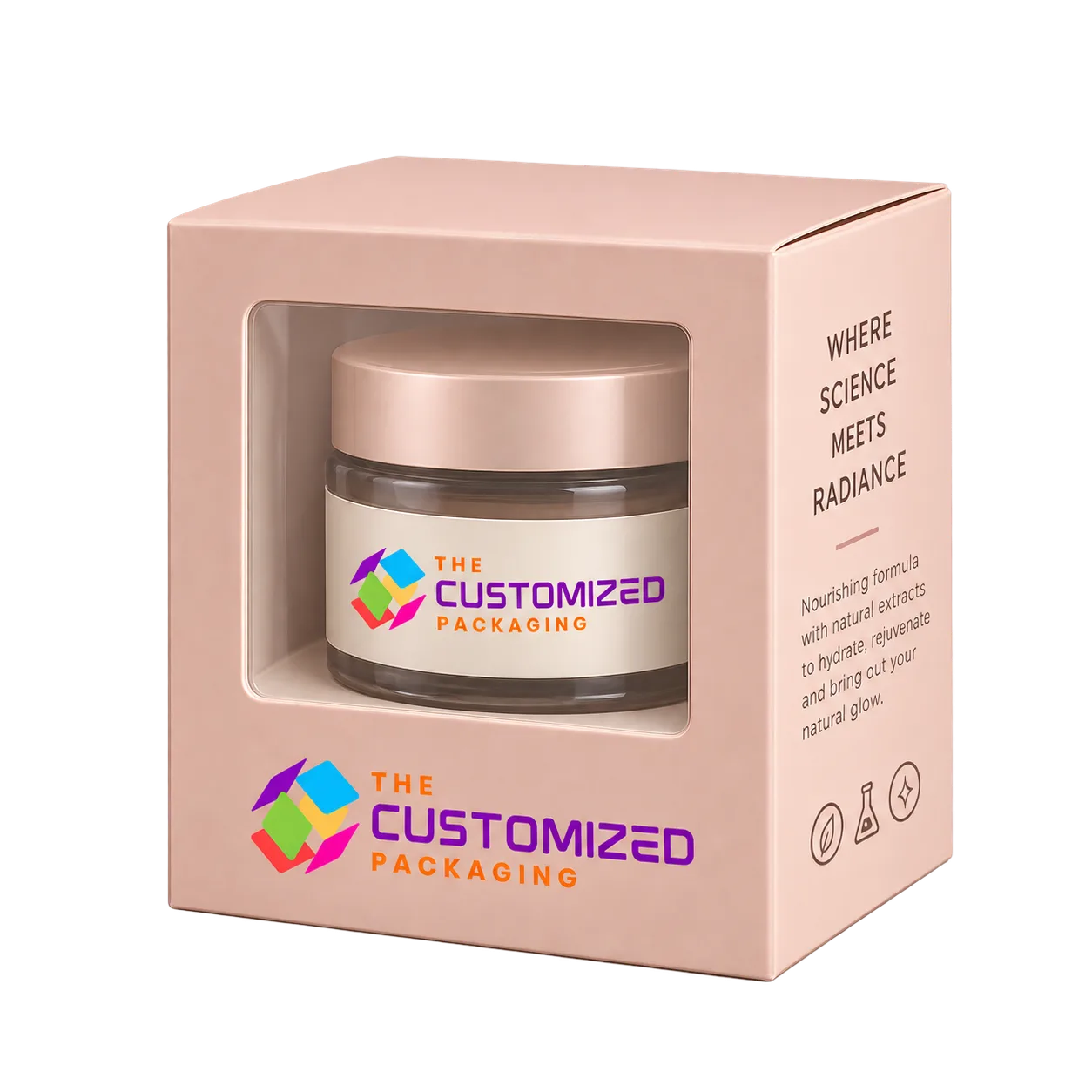
| Round plastic cream jar | Folding carton with suitable base | Diameter and lid clearance |
| Glass cream jar | Reinforced carton with fitted support | Filled weight and base stability |
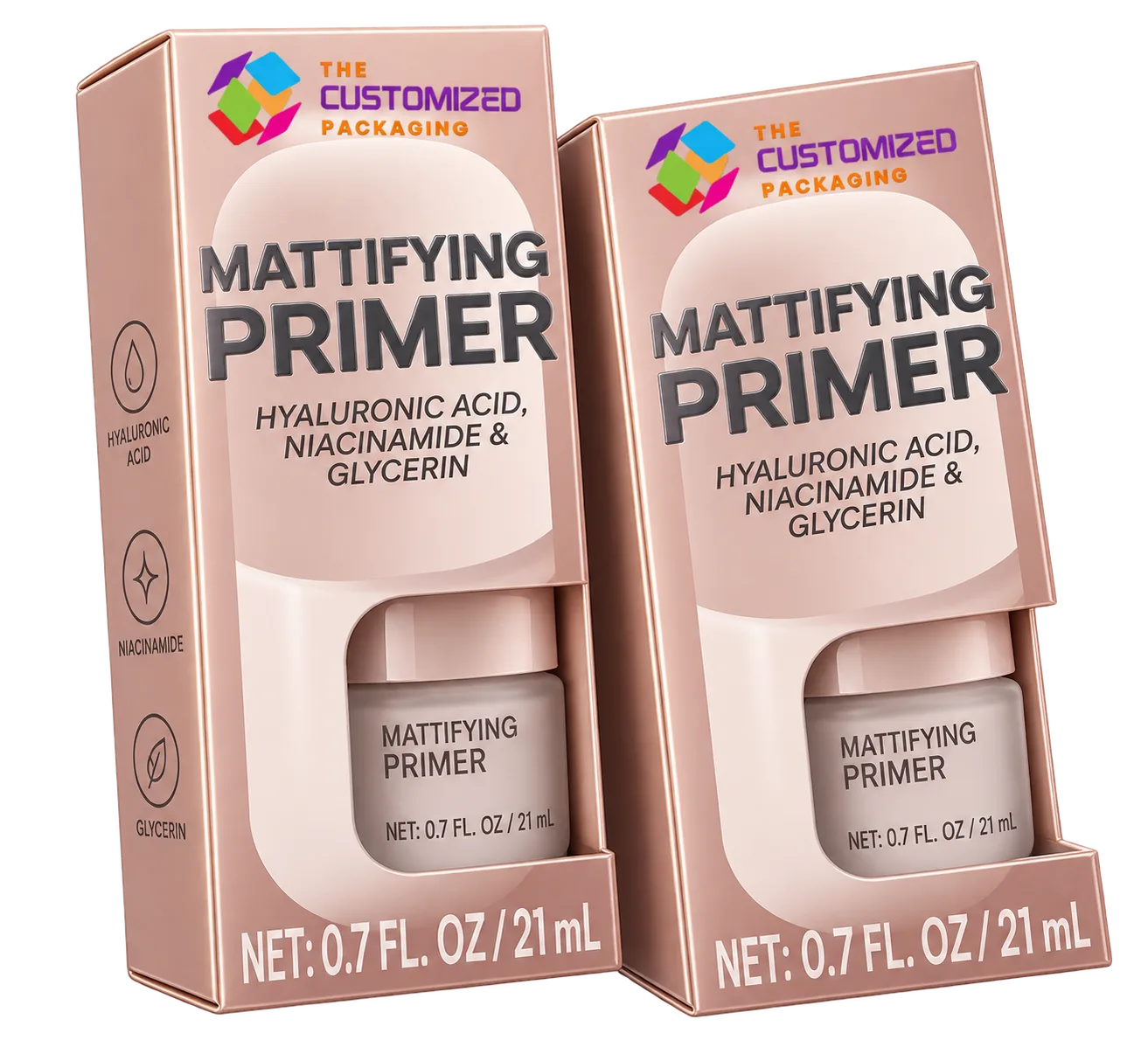
| Squeeze tube | Slim tuck-end carton | Cap and crimped-end clearance |
| Airless pump | Tall carton with stabilizing collar | Dispenser clearance and orientation |
| Travel-size cream | Compact printed retail carton | Small-container retention |
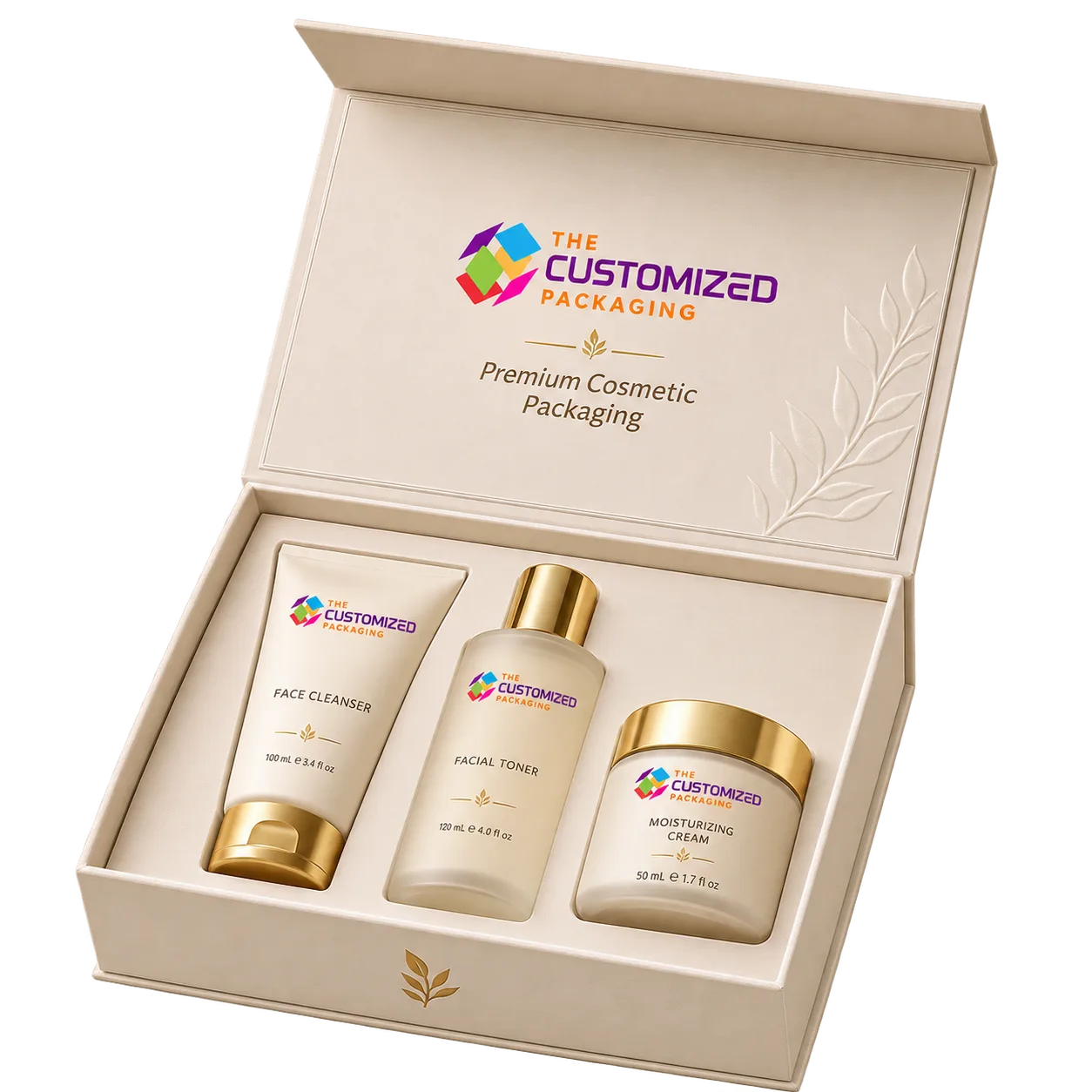
| Cream gift set | Multi-compartment presentation box | Different containers and accessories |
These are structural possibilities, not guaranteed options for every size. The correct board and supporting components should be reviewed with the finished container.
How to Measure a Cream Container for Its Box
Start with the complete primary container in the condition it will be packed. Measurements should include its lid, pump, applicator, seals, decorative labels, and any projecting details.
Nominal jar capacity does not establish the box size. Two jars labeled with the same capacity may have different diameters, heights, wall thicknesses, and lid shapes.
Cream Packaging Measurements Checklist
- Jar diameter or container width: Include the widest external point.
- Total container height: Measure with the finished cap or closure attached.
- Pump or applicator projection: Record any component extending beyond the bottle or jar.
- Filled weight: Include cream, primary container, and accessories.
- Presentation orientation: Specify upright, horizontal, or another intended position.
- Insert allowance: Include space for a collar, platform, divider, or protective support.
- Additional contents: Note spatulas, instruction cards, or other items sharing the box.
A sample is particularly useful for unusually shaped glass jars or containers with delicate decorative finishes. Internal clearances should support customer removal without excessive rubbing or pressure.
Folding Cartons, Reinforced Bottoms, and Sleeves
Folding paperboard cartons are a common format for individual skincare creams. They can be printed on the outside, supplied flat, and erected around a finished primary container.
Straight-Tuck and Reverse-Tuck Cartons
These structures use folding closure panels and may suit products of appropriate size and weight. The opening direction, artwork position, and carton proportions should be considered when selecting a design.
Reinforced-Bottom Cream Boxes
Heavier glass jars may need a stronger bottom construction or fitted internal support. The selected structure must be assessed against the complete filled weight rather than just the material name.
Printed Cream Sleeves
A sleeve can provide additional branding around an already packaged or otherwise supported item. It does not necessarily offer the same complete enclosure as a folding carton.
Multi-Product Presentation Boxes
Gift sets may require a larger structure with separate compartments. These should be reviewed according to the combined weight and arrangement of the products.
Paperboard, Kraft, and Other Material Choices
Material selection influences print appearance, panel stiffness, folding behavior, and cost. White paperboard may suit detailed skincare artwork and ingredient layouts, while kraft provides a brown paper surface for a different design direction.
Cream Box Material Comparison
| Material | Potential Application | Selection Consideration |
|---|---|---|
| SBS paperboard | Detailed printed retail cartons | Thickness and container weight |
| Folding boxboard | Standard cream packaging | Panel and base rigidity |
| Natural kraft | Minimalist product branding | Ink contrast and folding quality |
| White kraft | Bright printed cartons | Available board grade |
| Selected microflute corrugated | Heavier secondary packages | Flute and dieline compatibility |
| Wrapped rigid board | Selected multi-product presentation sets | Tooling and structural cost |
No paperboard grade should be assumed waterproof or leak-proof. The carton material should be selected for the secondary-packaging task, and any required product containment must be addressed separately.
Fitted Inserts for Cream Jars and Dispensers
Fitted supports can help position heavier jars, stabilize tall dispensers, and organize accessories. They should be designed around the actual container dimensions so they do not place unnecessary pressure on lids, pumps, or labels.
Possible Cream Box Insert Options
- Paperboard base platforms: Support selected jar shapes.
- Die-cut collars: Help stabilize compatible cylindrical containers.
- Folded supports: Provide additional positioning within a carton.
- Dividers: Separate multiple products or accessories.
- Accessory sections: Reserve space for spatulas or approved informational inserts.
Glass jars and delicate decorative containers may need additional cushioning or a suitable protective outer shipper. A fitted insert by itself does not guarantee undamaged delivery.
Cap, Lid, Pump, and Applicator Clearance
The top closure is often the highest part of a cream container and may be vulnerable to pressure if the carton is too shallow. Pumps, dispensing nozzles, and removable caps should be checked in their intended packed position.
For glass jars, the carton should also accommodate the lid diameter and any raised decorative surfaces. The bottom should be sufficiently supported for the filled container without relying on the outer carton walls alone.
Container dimensions should be confirmed after labeling and final assembly, as changes in cap or dispenser selection can affect the required packaging clearance.
Custom Printed Cream Boxes with Logos and Branding
Custom printed cream boxes can carry skincare logos, product names, approved formulation descriptions, instructions, ingredient panels, warnings, batch-code areas, barcodes, and QR codes.
Printing may be arranged across the front, back, sides, and top flaps. Space should be reserved for important product information before decorative artwork is finalized.
Matte, gloss, foil, and other specialty effects may be reviewed according to the selected board and printing process. Finishes must not obscure required text or interfere with barcodes.
Cream Packaging Versus General Personal Care Boxes
Cream cartons address the particular dimensions and weight of filled jars, tubes, and dispensers. Their primary focus is the cream container, especially the cap, base, and any fitted collar.
Our custom lotion boxes provide a related product-specific option for lotion formats, while the completed custom personal care packaging boxes page covers the wider range of body-care and grooming containers.
For related products within the category, browse custom cosmetics packaging. Cream packaging should still be developed around the specific sealed container rather than a generic beauty-product list.
Regulatory Information and Brand-Supplied Artwork
Cream brands may need to display ingredients, net quantity, product directions, warnings, company identification, and other information according to the product and its intended market.
TCP can print artwork provided and approved by the brand. It does not independently validate cosmetic formula claims, clinical statements, product safety, or compliance with all applicable labeling requirements.
Where variable batch or date coding is required, the brand should identify the relevant panel and printing process before production approval.
Leakage, Moisture, and Shipping Limitations
A cream jar, tube, or dispenser is the primary container responsible for holding the formula. The printed outer carton is not automatically suitable for direct contact with the cream or for containing a leaking product.
Where leakage risk exists, the brand should review the primary closure, fill conditions, and suitable additional packaging. Any absorbent or barrier component must be verified for the intended use.
For ecommerce delivery, a retail carton may require a separate shipping case with appropriate supports. Standard printed paperboard does not establish guaranteed transit or moisture protection.
Material Efficiency and Environmental Claims
Brands can compare right-sized folding cartons, appropriate board grades, and suitable paper-based inserts. Material efficiency should be balanced against the need to support heavier containers and protect important product information.
Environmental claims depend on the finished box, including coatings, adhesives, films, inserts, and decorative materials. Recycled content, recyclability, biodegradability, and certifications require evidence for the selected production materials and disposal conditions.
A kraft-looking cream carton should not automatically be described as sustainable or certified.
Wholesale Cream Boxes and Custom Pricing
The price of wholesale custom cream boxes depends on the filled container size, structure, board grade, insert requirements, printing coverage, artwork versions, order quantity, and shipping destination.
Complex inserts, specialized finishing, and multiple carton sizes may introduce additional production requirements. Minimum quantities and turnaround should be confirmed for the approved construction.
Request a Cream Box Quote
Provide the following details to establish the manufacturing specification:
- Finished jar, tube, or dispenser dimensions.
- Cap, lid, or pump measurements.
- Total weight of the filled container.
- Preferred folding carton or other secondary structure.
- Any support insert or accessory compartment requirements.
- Approved branding and labeling artwork.
- Production quantity and delivery destination.
Use our Custom Box Packaging Cost Calculator for a preliminary estimate. Final pricing follows confirmation of the finished container and manufacturing requirements.
Ready to package a cream jar or tube? Send the completed container measurements so a suitable carton depth, cap clearance, base support, and print layout can be specified around your actual product.
Yes. Secondary cream cartons can be sized around suitable sealed jars, squeeze tubes, and pump dispensers. The correct design depends on the finished container dimensions, closure type, filled weight, and required support.
Measure the finished jar's maximum diameter, full height including its lid, and total filled weight. Include any raised decoration or accessories. The carton should provide suitable clearance while positioning the jar securely.
Selected designs can include paperboard collars, folded supports, platforms, and dividers to position the primary container. Heavy glass jars or multi-product kits may require additional review and appropriate protective outer packaging.
No standard printed secondary carton should be considered leak-proof. The sealed jar, tube, or pump is responsible for containing the formula. Any additional barrier or containment component requires verification for the actual cream and intended conditions.
Provide the complete container measurements, filled weight, closure details, desired structure, inserts, printing artwork, order quantity, and delivery destination. These factors determine the project-specific quotation.
Related Products
Order Custom Cream Boxes from The Customized Packaging
We manufacture Custom Cream Boxes for businesses that need reliable product protection, accurate printing, and professional packaging for retail, ecommerce, storage, or shipping. Each box can be customized by size, material, structure, printing, coatings, finishes, inserts, and order quantity.
Share your artwork and quantity targets for Custom Cream Boxes and we will recommend the most cost-effective structure for your timeline. or speak with a packaging expert. Browse custom rigid boxes, packaging inserts, and use our Custom Box Packaging Cost Calculator.